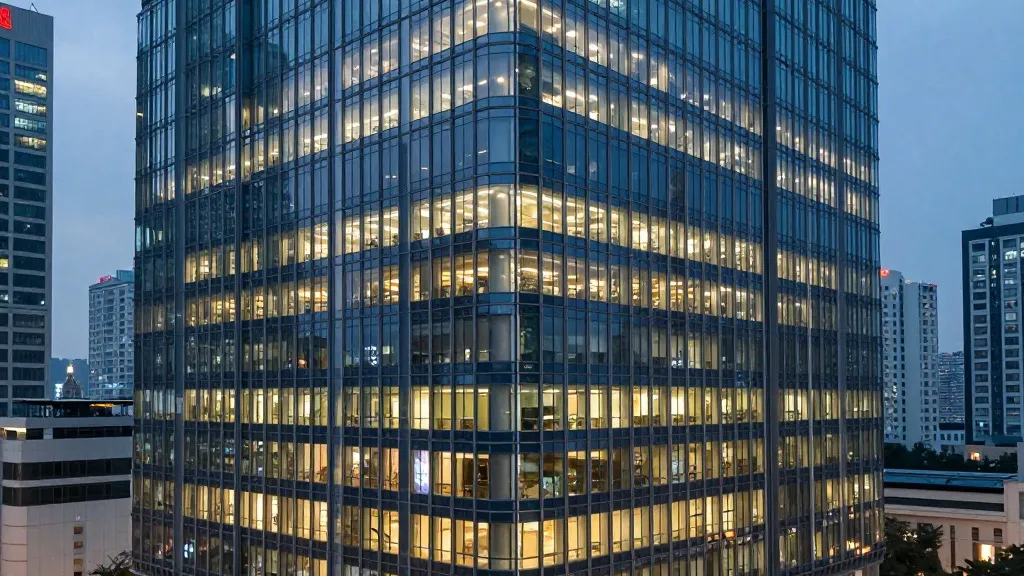
122 Acres: Amazon Abandons Data Center Plans in Loudoun County for Housing
Following intense community resistance, Amazon is converting a former university campus into mixed-use residential and recreational spaces, marking a significant shift in local infrastructure development.
By Luis Fernandez ·
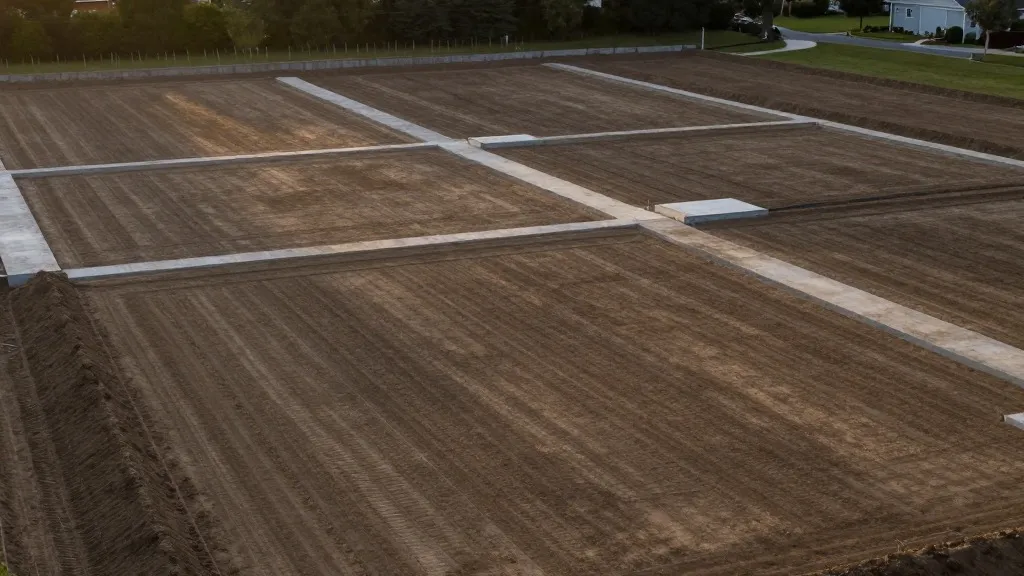
Residents in Loudoun County, a jurisdiction situated just outside Washington, D.C., will soon see a 122-acre former university campus transformed into a neighborhood of homes, mixed-use spaces, and recreational facilities. This change directly impacts the daily lives of locals by replacing a planned cluster of industrial infrastructure with living spaces and public amenities, addressing long-standing concerns about noise and utility strain in the area.
Amazon has officially withdrawn its proposal to construct four new data centers on the site, which was previously part of the George Washington University campus. In a notable pivot from the company’s initial strategy, the tech giant will repurpose the majority of the land for residential and mixed-use development. To further integrate the property into the local community, Amazon will donate 25 acres to Loudoun County specifically for the construction of a community arts center and a new recreational facility. Additionally, the company has committed a $5 million contribution to the county’s housing fund, aiming to support the development of attainable homes for working families.
This decision represents a significant departure from the trajectory of development in a region already known as “Data Center Alley,” which currently hosts the world’s largest concentration of such facilities. The shift follows a period of intense pushback from local residents who expressed concern over the noise generated by data centers and the substantial power requirements necessary to operate them. These factors have recently altered the county’s approach to approving new buildouts, prioritizing community impact over rapid technological expansion.
The process began in July when Amazon submitted its initial proposal for the four facilities. In September, Phyllis J. Randall, Chair of the Loudoun County Board of Supervisors, met with Amazon executives. During these discussions, county officials suggested that an alternative use for the land might be more beneficial for the community than proceeding with the data center construction. Following this dialogue, the company agreed to reconsider its plans, opting for a collaborative vision rather than a prolonged legal dispute.
Josh Weissman, Amazon’s vice president for data center development, acknowledged that the company was initially eager to acquire the former university campus when the opportunity arose. However, he noted that the company carefully considered the county’s “pointed concerns” regarding data center development at that specific location. Weissman stated that while Amazon viewed the property’s legal development potential differently than the county did, the company concluded that finding a shared vision was superior to engaging in costly litigation. This approach allowed both parties to reach a consensus without the need for formal legal confrontation.
The decision comes amid a broader national trend where the rapid growth of artificial intelligence has increased demand for large-scale computing facilities. This boom has intensified scrutiny on the environmental and economic impacts of data centers, including potential spikes in electricity prices and resource consumption. In response to these challenges, federal officials have recently urged data center builders and AI hyperscalers to share the financial burden of energy price increases with local communities. President Donald Trump recently advocated for a model where data centers not only generate their own power but also sell excess energy back to the local grid, a policy shift that reflects the growing tension between technological expansion and local resource management.
County officials have framed the outcome as a success of negotiation over conflict. Randall stated that by choosing dialogue over “reflexive disagreement,” the county and Amazon created a valuable opportunity for the community. She emphasized that the agreement provides new spaces for residents to gather and engage in creative activities, while also delivering more attainable housing options for working families. For now, the 122-acre site stands as a testament to a negotiated compromise in a region where the balance between tech infrastructure and residential life is constantly being redefined.
While the immediate plans for the site are settled, questions remain regarding the long-term energy infrastructure of the region. Critics have noted that Northern Virginia’s power grid is operating near its capacity limits, raising questions about whether the new residential development will face similar utility constraints as the data centers did. Nevertheless, the immediate effect for residents is a shift from industrial expansion to community-focused development, with the donated lands and housing funds providing tangible benefits to the local population.
Source: Tom's Hardware