AI Infrastructure Costs: Finnish villagers report increased wolf activity near Google data center sites
Displacement of wildlife from cleared forest land is creating new safety concerns for communities surrounding unauthorized construction zones in eastern Finland.
By Julia Wang ·
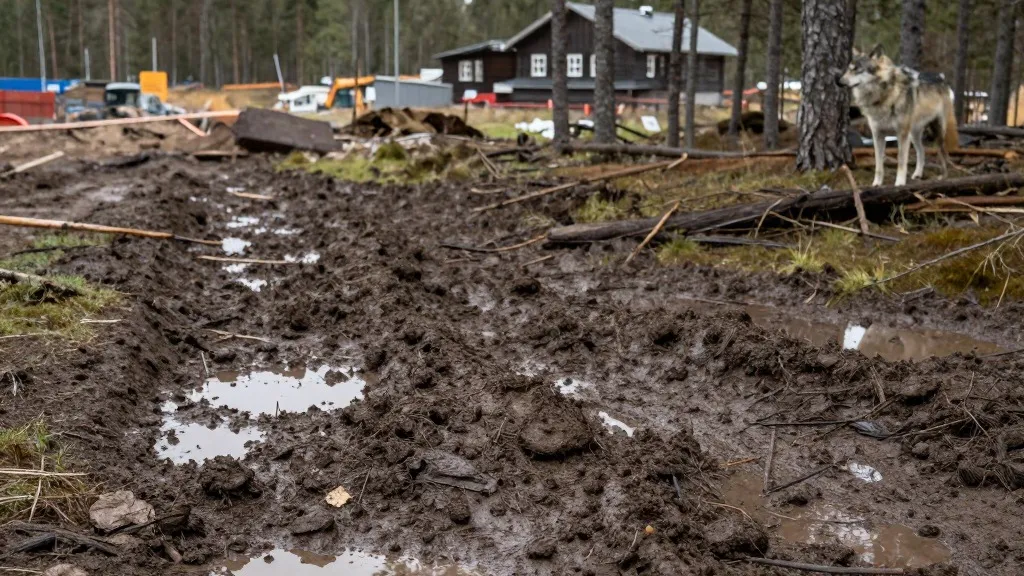
The rapid expansion of artificial intelligence infrastructure in Europe has introduced a new variable to local risk assessments: displaced wildlife. Residents in eastern Finland are reporting that wolf packs, previously established in the forest, are now entering villages due to the loss of their natural habitat. This development adds a human safety dimension to the ongoing financial and regulatory disputes surrounding Google's construction projects in the region.
The conflict began when Google initiated clearing operations in forests near the towns of Muhos and Otanmäki. The Finnish Licensing and Supervision Authority, known as LVV, recently issued an order to halt work in these areas. This regulatory move followed a finding that approximately 500 acres of forest had been cleared without full compliance with local regulations. The stop-work order also covers a larger area near Muhos, where 816 acres of forest have been transformed into a muddy expanse. Google's Finland country manager has publicly apologized for the unauthorized clearings.
The immediate financial implications of the stop-work order are significant for a company that had positioned Finland as a key hub for its AI operations. Beyond the direct costs of pausing construction, the company now faces potential remediation expenses and reputational damage. The LVV's intervention signals that regulators are willing to enforce environmental standards, which may affect the cost of capital for similar projects in the Nordic region. The delay also extends the timeline for generating revenue from the new data centers.
Local stakeholders are increasingly vocal about the broader economic and social costs. Anni Ranta, a resident of Otanmäki whose family has lived there for generations, noted that wild animals have moved into the village because the forest is no longer suitable for them. She stated, “We had wolves coming into the village because all the wild animals moved out of the forest.” Ranta also expressed concern that the presence of U.S.-owned data centers could make the region a more attractive target for geopolitical threats, adding a layer of strategic risk to the local economy.
The Finnish Association for Nature Conservation has described Google's handling of environmental policy as unprecedented. While the company maintains a cooperative stance, a Google spokesperson said, “We will fully comply with LVV’s requests in this matter,” the company is betting that the long-term business benefits will outweigh short-term regulatory friction. The spokesperson added, “We look forward to maintaining an active, open dialogue with all authorities to strengthen our partnership with Finland and local organizations.” This strategy relies on the assumption that the tax revenue and job creation from the data centers will secure continued government support.
Looking ahead, the next phase involves determining the scope of remediation required for the cleared land. The LVV's order is a temporary measure, but it may lead to stricter oversight for future AI infrastructure projects in the country. For investors and market watchers, this case study highlights the growing importance of environmental compliance in the AI buildout. The cost of doing business in Europe is rising as communities demand clearer accounting for the physical and ecological footprint of digital infrastructure.
The situation in Finland mirrors complaints heard in the United States and elsewhere, where local residents cite noise, water quality changes, and the displacement of rare species. As the AI race accelerates, the tension between rapid deployment and local stewardship is becoming a key factor in project viability. Google must now navigate a delicate balance between meeting its capacity targets and addressing the concerns of the communities hosting its most critical assets.
More Business · Business Watchdog · Report a business · Got a Story?