Shas Faces Significant Vote Decline in Mizrahi Heartland as Ben Gvir Gains Support
In Netivot, a traditional stronghold for the Shas party, support has fractured due to internal rifts and shifting allegiances, benefiting the far-right Otzma Yehudit party.
By News Media House Staff ·
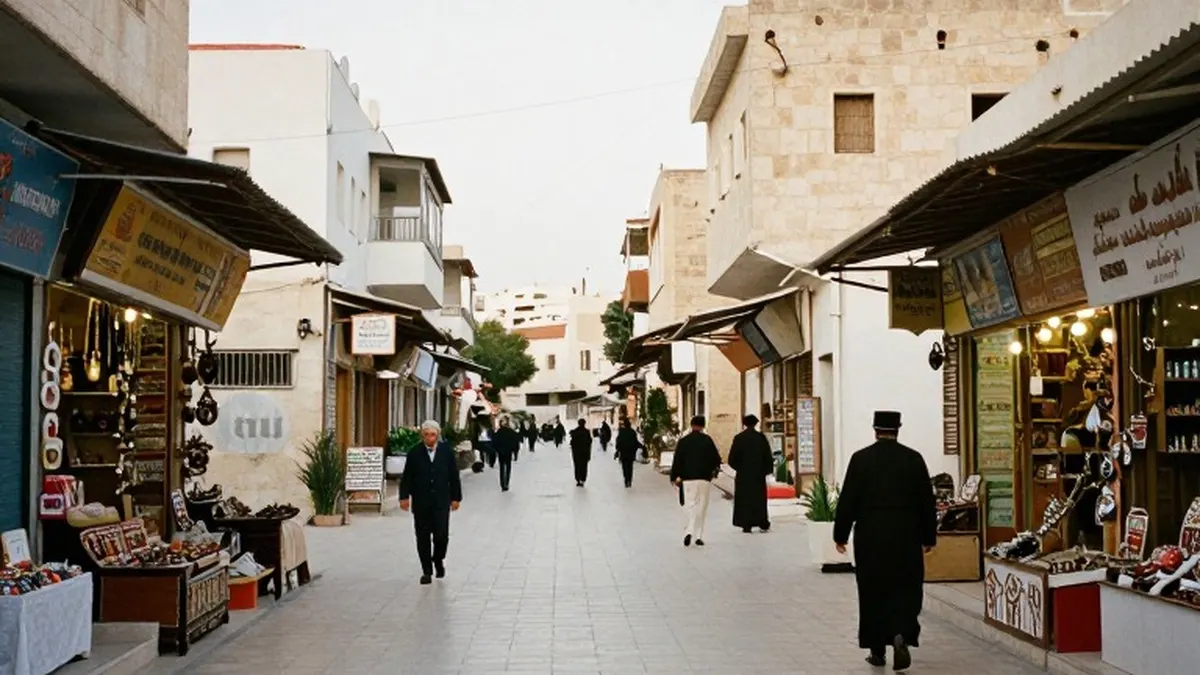
Netivot, a southern Israeli town characterized by its religious demographics and economic challenges, recently experienced a notable shift in political allegiance. The city, home to the tomb of the revered kabbalist Baba Sali, has historically been a safe haven for Shas, the party founded by the late Rabbi Ovadia Yosef to serve the Mizrahi community. However, recent elections revealed a significant drop in Shas support, with its vote share in the city falling from 42.5 percent to 28.9 percent despite an increase in overall voter turnout.
The decline of Shas in Netivot coincided with a surge in support for Itamar Ben Gvir, the leader of the far-right Otzma Yehudit party and national security minister. Local residents expressed approval of Ben Gvir’s policies, particularly his stricter approach to Palestinian prisoners and his efforts to ease civilian access to weapons. This shift suggests that the traditional base of Shas is increasingly open to alternative right-wing options that resonate with current security concerns.
Internal divisions within the Mizrahi community also contributed to Shas’s losses. The influential Abergel rabbinic dynasty, which had previously supported Shas, broke away to form a rival party called Achi. Achi challenged Shas’s stance on military service exemptions for Torah scholars and moved its schools into the state system. When Achi withdrew from the election at the request of Prime Minister Benjamin Netanyahu’s Likud party, the Abergel leader urged followers to vote for Otzma Yehudit instead of Shas, a directive that many residents heeded.
Political analysts indicate that Shas’s national decline, seeing its Knesset seats drop from 11 to six, stems from several factors. These include political rifts, an uncompromising position against drafting religious students that alienated serving Mizrahi Jews, and a perceived disconnect between the party’s Jerusalem leadership and its grassroots followers in the periphery. The party’s identity is currently in flux following the death of its spiritual founder and internal power struggles.
Data from Hebrew University economist Prof. Momi Dahan highlights the severity of Shas’s decline in poorer, peripheral areas. In regions where ultra-Orthodox parties dominated the vote in 2022, Shas lost significant ground in 2026. For instance, in the center and south of Israel, support plummeted in towns like Ofakim, Kiryat Malachi, and several moshavim. Similarly, along the northern border, which faced missile attacks from Hezbollah, Shas saw sharp drops in support in communities such as Moshav Avivim and Kiryat Shmona.
A senior Shas official, speaking anonymously, noted that the party has alienated both religious and secular followers. He pointed to the resignation of popular lawmakers and the recent announcement that party leader Aryeh Deri will step down from the Knesset to remain as chairman. The official described a confused messaging strategy regarding the draft, where conflicting advice from prominent rabbis led some voters to stay home or switch to other parties like United Torah Judaism or Likud.
The party’s struggles were further illustrated by the high-profile case of Rabbi Elhanan Danino, whose son was murdered during the October 7 attacks. Danino, who left Shas years ago, criticized the party’s internal conflicts and the criminal convictions of its leadership. He is now a vocal advocate for a state commission of inquiry into the events leading up to the attack, a stance opposed by the current prime minister.
In Netivot, Likud maintained a stable voting base, securing 27 percent of the vote. Many residents, like a local shop owner who switched her support to Otzma Yehudit, expressed strong approval for Prime Minister Netanyahu. She blamed the security establishment for the failures of October 7 and highlighted her personal history of feeling excluded from Ashkenazi institutions, which originally drove her to Shas. Despite the party’s historical role in supporting Mizrahi families, many now feel that Shas is no longer representative of their needs.
The political landscape in Netivot reflects a broader trend across Israel’s Mizrahi heartland. As Shas struggles to define its identity and reconcile internal disagreements, voters are looking to new leaders and parties that they believe better address their security and social concerns. This fragmentation signals a potential realignment in the right-wing coalition, with far-right parties gaining traction at the expense of established religious political forces.
Originally published by News Media House