
Constellation Energy CEO downplays Democratic impact on data center growth
Joe Dominguez argues that bipartisan economic interests will keep the nuclear-powered data center boom moving despite new House and Senate majorities.
By News Media House Staff ·
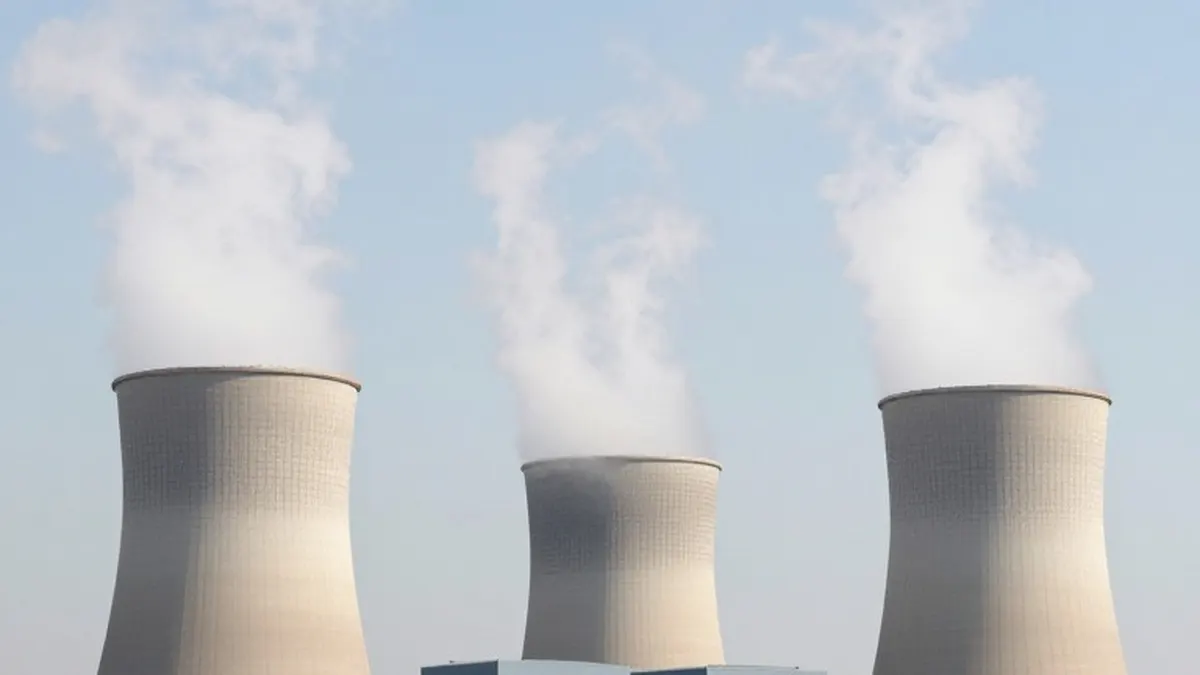
Constellation Energy, the largest operator of nuclear power plants in the United States, has signaled that it is not concerned about a potential slowdown in data center construction under the new Democratic leadership. During the company's third-quarter earnings call last week, CEO Joe Dominguez expressed a calm perspective on the political shift, suggesting that market fears regarding the election results may be exaggerated.
Dominguez noted that many Democrats who won control of the House and Senate in this month's midterm elections campaigned on platforms critical of data centers. This political stance contributed to a historic $2.5 trillion sell-off in stocks related to artificial intelligence, energy, construction, and materials. Despite this, the executive believes the new majority will not aggressively halt development projects.
The nuclear industry has seen a dramatic turnaround in recent years. Many plants that were previously in financial distress and faced early closure have found new life through massive power deals with technology giants. Constellation has signed major contracts to supply electricity to data centers owned by Microsoft, Amazon, and Google. For example, a partnership with Microsoft is funding the revival of the Three Mile Island plant in Pennsylvania, a site historically known for a significant nuclear accident.
Nuclear energy has traditionally enjoyed bipartisan support because it is classified as a clean energy source that does not directly emit carbon during operation. This feature makes it attractive to large technology companies aiming to meet climate goals while expanding their infrastructure. However, the sector still faces challenges, particularly regarding the long-term disposal of nuclear waste, an issue the US government has not yet resolved at scale.
Dominguez pointed out that Democrats are generally concerned about economic growth and job creation, which are key benefits of data center construction. He argued that it would be difficult for the party to stop work entirely given the importance of labor to their constituents. He cited Virginia and Illinois, states with Democratic governors, as examples of regions that have seen substantial data center development.
The political landscape regarding data centers is complex and often local. In Virginia, for instance, some of the most vocal critics of data center expansion are actually Republicans. State Senator Richard Stuart, a conservative, has pushed for stricter regulation, while Governor Abigail Spanberger, a Democrat, recently denied a request for a special legislative session to address groundwater concerns tied to data center growth.
At the federal level, both parties view data centers as an inevitable part of the future that requires management rather than elimination. A bill known as the Bipartisan American Affordability and Jobs Act, co-sponsored by two Democrats, is expected to be voted on by the Senate. The legislation aims to speed up permitting for power plants and transmission lines, though critics argue it may fast-track projects at the expense of environmental oversight.
Financial support for the sector has remained strong across administrations. The Department of Energy recently approved a $5 billion loan for Constellation to upgrade its nuclear fleet, following a similar $4.2 billion loan granted to Vistra. These moves mirror previous initiatives, such as the Civil Nuclear Credit Program passed in 2022, which aimed to provide $6 billion in loans to struggling nuclear companies.
Dominguez concluded that the policy solutions under the new administration will likely be similar to those previously discussed by Republicans. He emphasized that while there may be local differences and specific areas that resist new projects, the broader economic incentives will likely keep the industry moving forward.
Originally published by News Media House
More News · National news · Report a business · Got a Story?