
CDC Data Shows 33% of Adults Miss Sleep Goal
Centers for Disease Control and Prevention figures indicate that one in three U.S. adults fails to meet the minimum seven-hour nightly standard.
By Naomi Tesfaye ·
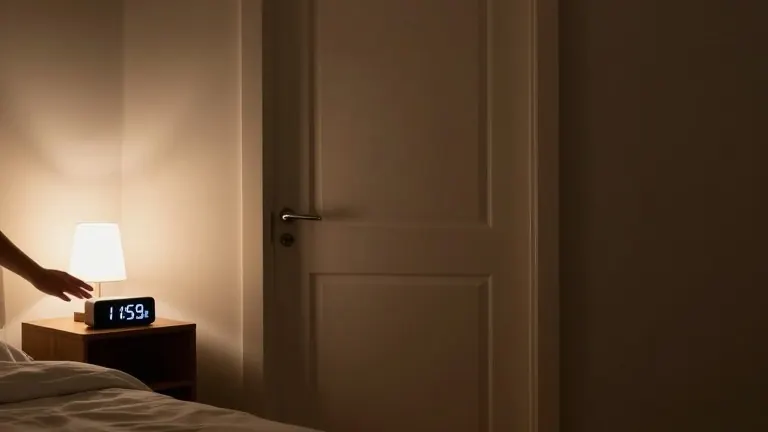
One in three U.S. adults reports getting less sleep than medical guidelines recommend.
The Centers for Disease Control and Prevention released the data this week. The agency links insufficient rest to a list of chronic health problems. Those conditions include type 2 diabetes, heart disease, obesity, and depression. Lack of sleep also contributes to motor vehicle crashes and errors at work.
Medical experts note that sleep requirements shift as a person ages. The American Academy of Sleep Medicine and the Sleep Research Society provide specific targets for different age groups. Infants aged four to twelve months need 12 to 16 hours per day. Toddlers aged one to two years require 11 to 14 hours. Preschoolers aged three to five need 10 to 13 hours. School-age children aged six to twelve should get 9 to 12 hours. Teens aged 13 to 18 need 8 to 10 hours. Adults require at least seven hours per night.
Quantity matters, but quality matters just as much. The CDC identifies signs of poor sleep quality. These include feeling tired despite adequate rest, waking up repeatedly at night, and showing symptoms of sleep disorders. Snoring and gasping for air are common symptoms of such disorders.
Dr. Chris Winter offers a specific tip for improving rest. He suggests pre-warming the body to help people fall asleep or stay asleep. Other recommended habits focus on routine and environment. Individuals should go to bed and wake up at the same times daily, including on weekends. Bedrooms should remain quiet, dark, and at a comfortable temperature.
Experts advise removing electronic devices from the bedroom. This includes televisions, computers, and phones. Dietary choices also play a role. People should avoid large meals, caffeine, and alcohol before bedtime. Using tobacco can hinder rest, so experts suggest quitting. Daily physical activity can also make it easier to fall asleep at night.
The CDC data serves as a baseline for public health discussions. The agency’s figures highlight the gap between current habits and medical standards. No new legislation was announced alongside the report. The next scheduled update on sleep statistics will follow the agency’s regular reporting cycle.