Cerus blood-safety treatment matches standard cells in large trial
The Intercept process, which aims to kill pathogens in donated blood, showed no inferiority to conventional transfusions in a late-stage study.
By Naomi Tesfaye ·
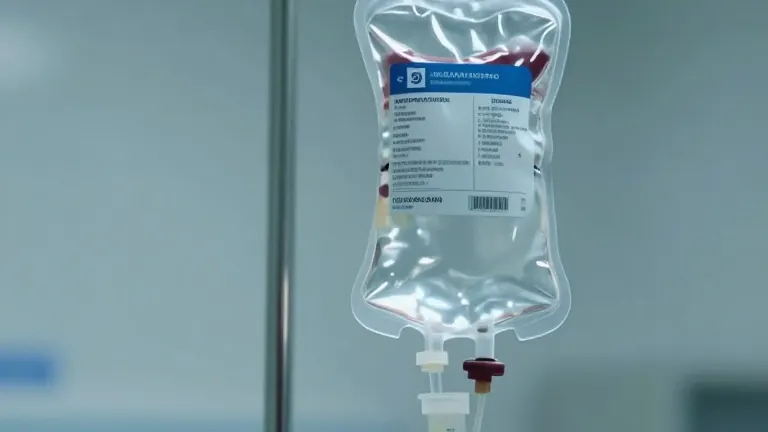
Patients receiving red blood cells treated with Cerus Corp’s Intercept technology experienced transfusion effectiveness comparable to those receiving standard blood products, according to data released on Monday. The late-stage study met its primary endpoint, demonstrating that the treated cells were non-inferior to conventional units based on adjusted hemoglobin increment, a key metric for measuring how well a transfusion supports the body.
The Intercept process uses chemical treatment to reduce the risk of viruses, bacteria, and other pathogens in donated blood. While the technology remains experimental in the United States and has not yet received approval from the Food and Drug Administration, the new results provide further evidence on its clinical profile. Cerus stated that the FDA has not yet reviewed the final study report.
Safety data from the trial indicated that there was no statistically significant difference in treatment-related adverse events between the two patient groups. The company reported that a small number of participants developed temporary antibodies specific to the Intercept process. However, Cerus noted that there was no evidence of hemolysis, which is the destruction of red blood cells, and no clinical impact was observed in those cases.
The findings add to the body of evidence supporting the use of pathogen-reduction systems in blood banking. By targeting the risk of transfusion-transmitted infections, the technology addresses a persistent concern in medical settings where donated blood is a critical resource. The company’s disclosure follows the completion of the late-stage evaluation, which is a required step before regulatory submission for broader market use.
Cerus Corp plans to continue analyzing the data as part of its ongoing regulatory engagement. The final study report will be submitted to the FDA for review, a process that will determine the timeline for potential approval. Until that decision is made, Intercept-treated red blood cells will remain available only through specific protocols or expanded access programs rather than routine hospital distribution.
Source: KOYY
More Business · Business Watchdog · Report a business · Got a Story?