Costco Diverts 82.8% of Waste from Landfills in 2025
The retailer donated 223 million pounds of food last year, with fruits and vegetables making up nearly half of that total.
By Julia Wang ·
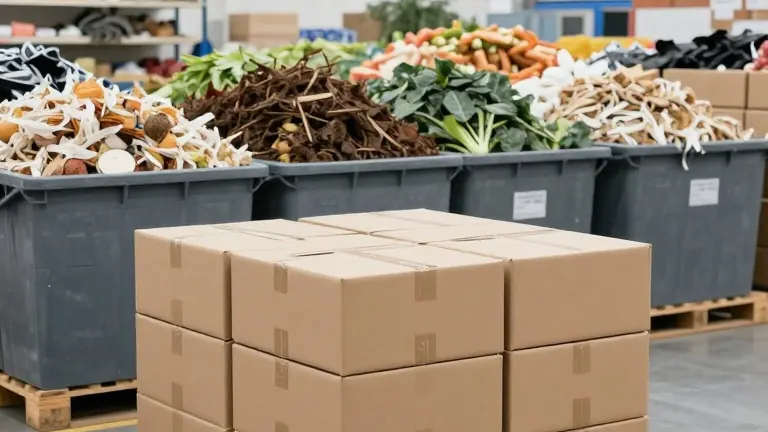
Costco Wholesale USA diverted 82.8% of its total waste from landfills during fiscal year 2025. This figure exceeds the company's internal target of 80%. The metric includes all waste streams, such as recyclables and food, rather than just perishable goods.
The chain prioritizes feeding people before considering other uses for unsold produce. In fiscal year 2025, Costco donated 223 million pounds of food, which equals approximately 111,500 short tons. Partners in this effort include Feeding America, The Global FoodBanking Network, and hundreds of regional food banks.
Fruits and vegetables accounted for nearly 47% of the total donated weight. This category represented the largest portion of the company's food donations in the United States, where total donations reached approximately 76,000 tons. A single damaged item in a large package often forces the removal of the entire bag, even if the rest of the produce is still safe to eat.
The retailer follows the EPA's food recovery hierarchy. When food remains safe for human consumption, it is donated. If it is no longer suitable for people, the company looks for secondary uses. Some ingredients, such as rotisserie chicken, are repurposed into prepared salads and other in-store items when safety regulations allow.
Produce has fewer opportunities for this kind of in-store reuse compared to other items. However, some fruits and vegetables can be incorporated into prepared foods if they meet local food safety standards. This practice helps reduce the volume of food that must be sent to external partners.
When food is no longer fit for human consumption, Costco routes it to animals. In fiscal year 2025, the company sent more than 12,000 tons of food to farms, animal rescue organizations, wildlife facilities, and zoos. These partners use the food as feed for livestock, poultry, or other animals that can still derive nutritional value from it.
Approximately 12,000 tons of food waste was composted during the same period. This process converts organic material into nutrient-rich soil amendments used in agriculture and gardening. Another 16,000 tons of waste entered anaerobic digestion systems. In these facilities, microorganisms break down the material without oxygen to produce biogas, which can be captured to generate electricity, heat, or renewable natural gas.
More Business · Business Watchdog · Report a business · Got a Story?