Dartmouth Students Link Diwali Traditions to Post Election Renewal
Around 200 attendees at Hanover’s recent festival described the holiday as a moment of fresh starts, coinciding with the shift in U.S. midterm power.
By Julia Wang ·
The timing of Diwali this year has created a parallel between religious observance and political transition for many residents in Hanover. The five day festival began three days after the U.S. midterm elections, a period when the nation is undergoing a formal change in governmental control. Local observers note that this specific alignment of dates has intensified the holiday’s traditional focus on renewal and new beginnings.
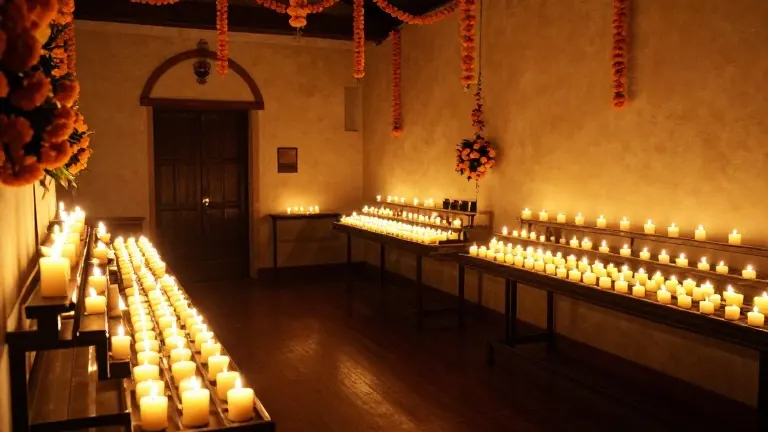
Approximately 200 people attended an evening event organized by Shanti, the Hindu student group at Dartmouth College, on Saturday. The gathering started with a puja, a worship ritual, held in Rollins Chapel. Participants moved through the nave, passing under orange marigold garlands, and assisted in lighting hundreds of candles. This act is central to the holiday, which falls on the darkest night of the lunar cycle.
Anagh Shukla, a Dartmouth student who graduates in 2028 and serves in Shanti, explained that the core theme is the triumph of light over darkness. She noted that the festival occurs when the moon provides the least amount of light, making the lighting of lamps a deliberate symbolic act. The ritual serves as a reminder that illumination can persist even in the most shadowed periods of the year.
For several attendees, the recent election results provided a tangible context for this symbolism. Diksha Kumar and Arushi Mittal, first year graduate students at the Tuck School of Business, connected the holiday to the political reset. Mittal described feeling hopeful and in a good mood since Tuesday, citing the festive season as a positive time. Kumar, a Canadian citizen living in the U.S., noted that while she did not vote, she is affected by local government choices and appreciated that citizens had a platform to express their views.
Jiya Mutyali, a sophomore, pointed to the diversity of the newly elected officials as a source of inspiration. She observed a higher number of Indian and South Asian individuals in political roles compared to previous cycles. Mutyali stated that seeing the community persist despite anti Asian rhetoric reinforced a sense of belonging and equality in American society.
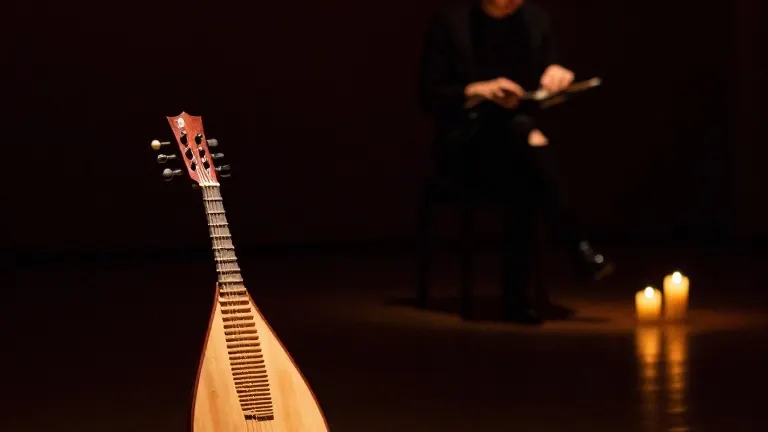
Ananya Srinivasan, a first year undergraduate from Belmont, Massachusetts, offered a different perspective on the connection between the holiday and current events. She preferred to view Diwali primarily as a cultural gathering rather than a political statement. Srinivasan argued that the festival allows people to unite through shared traditions regardless of their individual political opinions. The evening concluded with a performance of song and dance in the chapel, followed by the distribution of dinner boxes prepared by community volunteers.