
Greece's Indigenous Varieties: Pairing Principles for Home Diners
Assyrtiko, Agiorgitiko, and Xinomavro offer distinct profiles for matching with seafood, grilled meats, and heavy sauces.
By Julia Wang ·
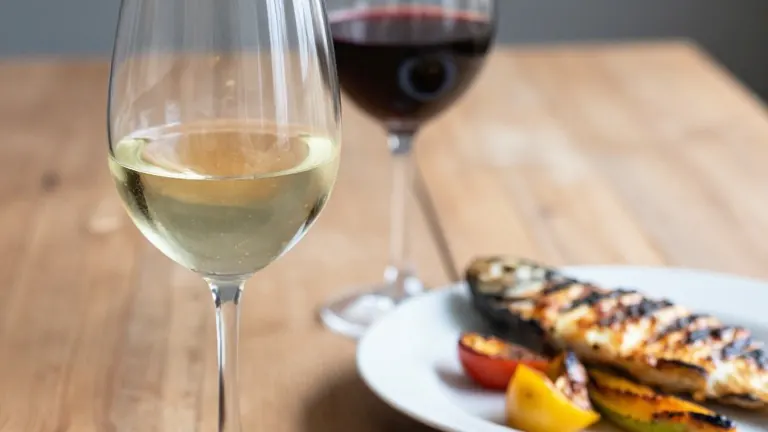
Greek winemakers produce indigenous varieties with distinct flavor profiles that align with specific culinary needs. Consumers can match these bottles to meals by focusing on the dominant flavors of the dish. Lighter preparations generally suit crisp white wines, while heavier foods require fuller-bodied whites or reds.
Assyrtiko is a popular white variety known for high acidity and mineral notes. It pairs well with grilled fish, prawns, oysters, and lemon-based dishes. For meals featuring roasted vegetables, creamy sauces, or poultry, Malagousia offers a softer texture and aromatic profile that complements food without overpowering it.
Red varieties serve richer dishes. Agiorgitiko produces wines ranging from fresh and fruity to full-bodied. A medium-bodied version works with grilled lamb, pork, meatballs, and tomato-based dishes. Xinomavro features high acidity, tannins, and complex character, making it a fit for roasted meats, mushrooms, and hearty meals with strong flavors.
Sauce and seasoning influence the pairing decision as much as the main ingredient. Greek cuisine often uses lemon, olive oil, oregano, garlic, and fresh herbs. Wines with good acidity, such as Assyrtiko, handle dishes with lemon or vinegar well. Richer sauces require wines with greater body and texture.
The occasion also dictates the choice. Chilled white or rosé wines suit relaxed lunches and outdoor gatherings. Formal dinners may call for structured reds or distinctive aged whites. When serving multiple courses, diners can start with lighter wines and move toward fuller-bodied options to allow flavors to develop throughout the meal.
Regional distinctions help identify specific styles. Santorini is recognized for Assyrtiko, Nemea is associated with Agiorgitiko, and the Naoussa region in northern Greece is known for Xinomavro. Climate, soil, and winemaking traditions in these areas influence the final flavor.
Personal preference remains a factor in the decision. If a diner enjoys a specific Greek wine, it may be the right choice even if it does not follow conventional pairing rules. Selecting a wine that complements rather than competes with the food creates a balanced meal experience.