House Advances Permanent Daylight Saving Time Bill
The Sunshine Protection Act passed the lower chamber but remains stalled in the Senate as the November clock change takes effect.
By Julia Wang ·
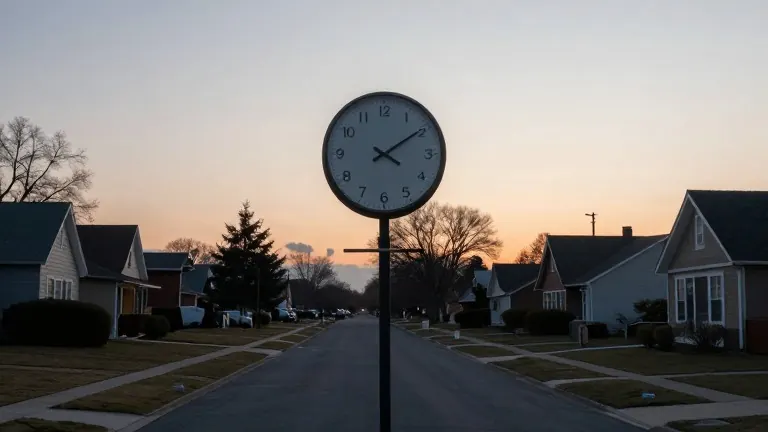
The House of Representatives voted earlier this year to make Daylight Saving Time permanent, a move that would eliminate the twice-yearly clock adjustments. The measure, known as the Sunshine Protection Act, has not yet been taken up by the Senate.
The practice of shifting clocks dates back to legislative debates around 1990, during which various sides presented arguments for and against the changes. Critics argue the disruption is annoying because many analog clocks and watches do not adjust automatically. They also point to physical health effects, noting that the human body struggles to adapt to the new schedule and reduced daylight hours.
Researchers at the National Institute of Mental Health coined the term seasonal affective disorder to describe depression symptoms linked to shorter days with less sunlight. The current shift occurred at 2:00 a.m. on November 1, giving residents an extra hour of sleep. The next change is scheduled for March, when the hour will be lost again.
Proponents of the legislation argue that permanent Daylight Saving Time would provide more evening daylight during the winter months. This additional light could support activities such as shopping, attending classes, or meeting friends after work, which are often hindered by cold weather and early nightfall.
The bill now waits for Senate action. The House passed the measure in the summer, but no specific date has been set for a Senate vote. The status of the legislation remains pending as the country observes the time change on November 1.