Global politicians and legal bodies criticize Ulm Five trial in Germany
Elected officials and legal organizations from around the world have issued joint statements condemning the prolonged pretrial detention and prosecution of five pro-Palestine activists in Germany.
By News Media House Staff ·
A coalition of international politicians and legal organizations has issued a strong condemnation of the ongoing trial of five pro-Palestine activists in Germany. The group, which includes prominent figures such as Jeremy Corbyn and Rashida Tlaib, expressed alarm over the treatment and detention of the defendants, who have been held in custody for more than fourteen months.
Two separate letters were released on Wednesday to highlight the case. One was signed by twenty-six elected officials from various legislatures across Europe and the Americas. The other was endorsed by thirty-three legal groups, including the Center for Constitutional Rights and the German Association of Democratic Lawyers. Both documents criticized the manner in which the five activists are being processed through the German judicial system.
The individuals known as the Ulm Five are Daniel Tatlow-Devally, Zo Hailu, Crow Tricks, Vi Kovarbasic, and Leandra Rollo. They originate from Germany, Spain, Ireland, and the United Kingdom. The group was arrested on September 8 following an alleged break-in at the offices of Elbit Systems, an Israeli arms manufacturer, in the southwestern German city of Ulm.
Prosecutors accuse the activists of damaging the building's glass facade and destroying office equipment, including computers, screens, and telephones. Beyond charges of trespass and property damage, the defendants face the charge of membership in a criminal organization. This charge is based on Section 129 of the German penal code, which is typically reserved for organized crime networks and carries a potential prison sentence of up to five years.
The defense has argued that the application of Section 129 is unusual, as it allows suspects to be held for up to six months before trial. However, lawyers noted that this period has been significantly extended in this case. The defendants report facing restrictive conditions during their prolonged pretrial detention, a situation that has drawn international scrutiny.
The letter from the elected officials called for the immediate release of the activists. They warned that the prosecution extends beyond these five individuals, representing part of a broader international effort to discipline opposition to war. The signatories argued that the case places the interests of arms manufacturers above the rights of peoples and the obligations of international law.
The legal groups raised specific concerns about the conduct of the trial, which began on April 27. They warned that the proceedings could constitute a breach of both German and international law. A primary point of contention is the security arrangement in the courtroom, which the groups said obstructs confidential communication between the defendants and their legal teams.
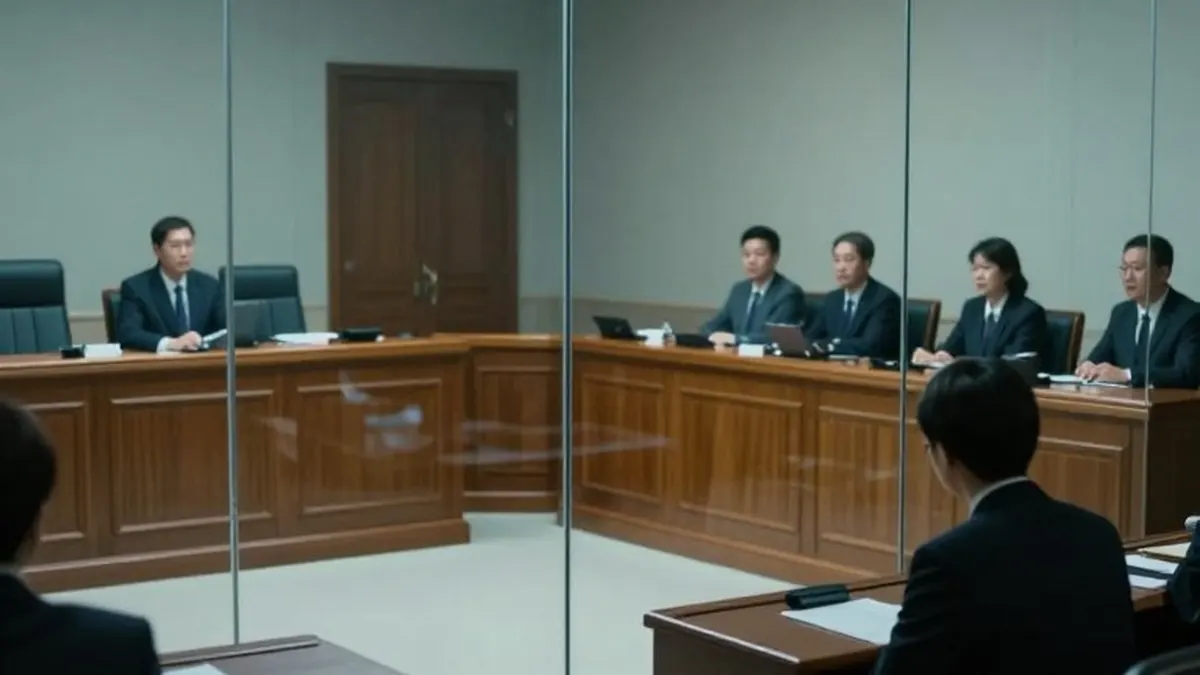
The trial is taking place in a high-security courtroom located in the Stammheim complex. The defense team has repeatedly protested that the defendants are handcuffed and seated behind a glass barrier. This setup, they argue, prevents private consultation with lawyers and undermines the presumption of justice by creating a visually restrictive environment.
Furthermore, the legal organizations challenged the court's decision to reject multiple applications to hear expert witnesses. The defense had sought testimony from weapons expert Dr Shir Hever and international law expert Isabel Feichtner. These experts were proposed to provide evidence regarding Elbit Systems' role in the conflict in Gaza and Germany's obligations under international law.
The signatories insisted that the prosecution of specific acts of property damage should not be conflated with the criminalization of a political protest movement. They urged the court to establish relevant facts impartially, noting that politically inconvenient facts should not be excluded merely because they concern the conduct of a powerful arms manufacturer or a state in an ongoing armed conflict.
Originally published by News Media House