Lunar Logistics: NASA Cites 22 Starship Launches for Artemis
A former astronaut on the safety advisory panel suggests the lunar lander will require significantly more refueling flights than previously hoped, raising questions about the mission timeline.
By Daniela Vargas ·
NASA has long treated the specific number of rocket launches required to fuel a lunar lander as closely guarded information, rivaling the secrecy of nuclear codes. However, that veil of ambiguity was partially lifted this week. During a quarterly meeting of the Aerospace Safety Advisory Panel on Thursday, former astronaut Charlie Precourt, a panel member, discussed the risks associated with the Artemis Program. His remarks provided a new, concrete estimate: 22 Starship launches are likely needed to support a crewed Moon landing.
This figure marks a significant shift from previous, vaguer estimates. The number of launches has been a moving target for years, with NASA officials typically responding that they are not ready to commit to a specific count. In 2023, Lisa Watson-Morgan, then the director of NASA’s Human Landing System, told Ars Technica that while the agency had a general idea, she was reluctant to state the exact number. She later characterized the requirement as being in the "high single digits to the low double digits," implying roughly a dozen flights.
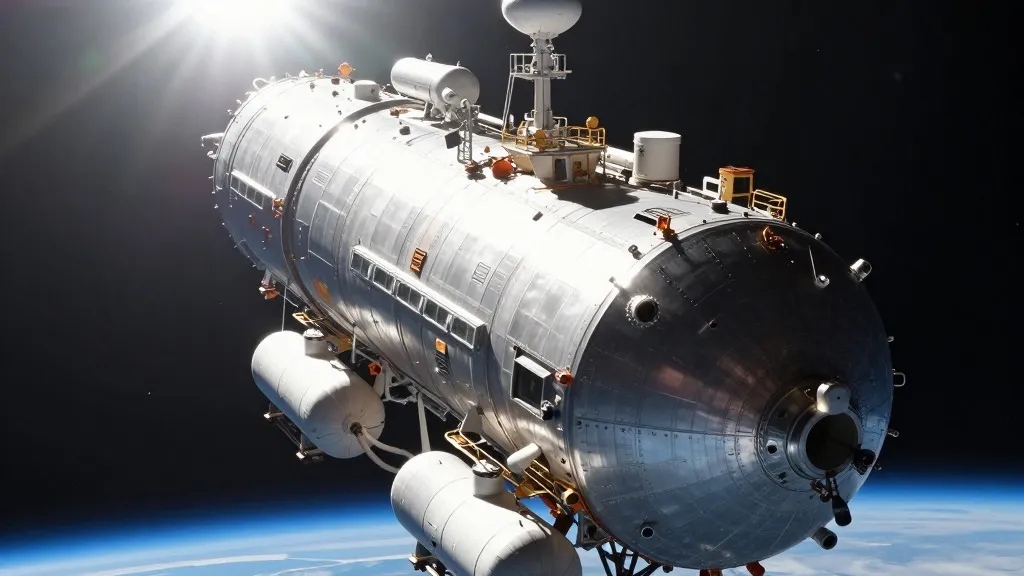
The operational reality behind these numbers is complex. To execute a lunar voyage, SpaceX would need to launch a "depot" Starship into low-Earth orbit. Subsequently, numerous "tanker" Starships would be required to fly up and transfer liquid oxygen and methane propellant to the depot until it is fully loaded. If the requirement is indeed in the high single digits, that would involve approximately 11 tanker flights to support the initial depot. The new estimate of 22 launches suggests this logistical chain is longer and more resource-intensive than earlier projections indicated.
Other NASA officials have previously floated figures in the "high teens," but the hope has consistently been that SpaceX could dramatically increase the lift capacity of the Starship vehicle. Such an improvement would reduce the number of tanker flights required to fuel the lander. However, growing concerns among some NASA officials suggest that this capacity boost may not arrive soon enough to allow Starship to play a meaningful role in returning humans to the Moon within this decade.
The Artemis Program aims to land people on the Moon, but the fueling phase in low-Earth orbit is a critical bottleneck. The lander must accumulate enough propellant to travel to the Moon, land, and return to lunar orbit. Each additional tanker launch adds complexity, cost, and risk to the overall mission architecture. The shift from a potential dozen launches to 22 represents a substantial increase in the operational burden placed on the launch vehicle and the ground infrastructure.
Precourt’s comments at the safety panel highlight the ongoing debate within the agency regarding the readiness of the Starship system. While the vehicle is a cornerstone of the current lunar strategy, the uncertainty surrounding its performance metrics continues to influence planning. The safety panel’s role is to advise NASA on these technical risks, and the recent estimate underscores the challenges that remain before a crewed mission can proceed.
As NASA moves forward with Artemis, the focus will remain on how to efficiently assemble the necessary fuel in orbit. Whether the 22-launch figure becomes the standard operating procedure or if further technological improvements reduce the count, the agency must now plan around these higher logistics requirements. The timeline for returning humans to the lunar surface depends heavily on resolving these logistical hurdles in the coming years.
Source: Ars Technica