
Mercedes Prepares US and German Launch of Advanced Driving Assist System
Mercedes-Benz is set to release Drive Assist Pro in the United States and Germany, offering enhanced collaborative driving capabilities through its new MB.OS platform.
By News Media House Staff ·
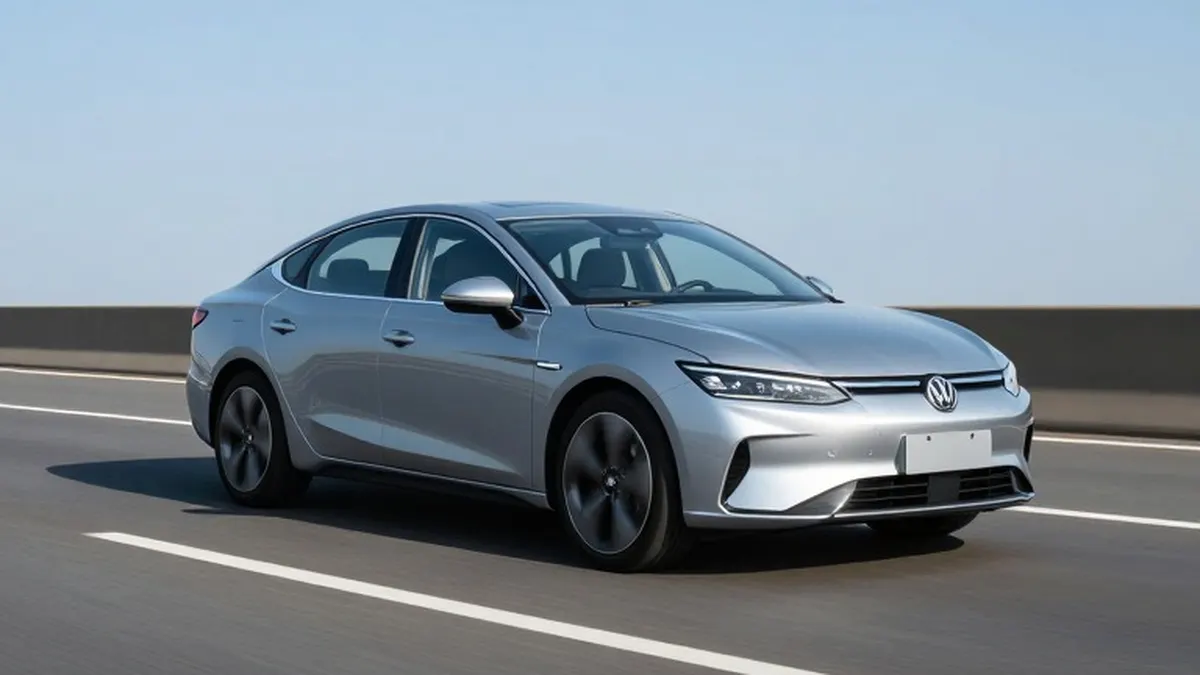
Mercedes-Benz is preparing to introduce its latest driver assistance technology to customers in the United States and Germany. The system, known as Drive Assist Pro, is designed for collaborative partially assisted driving. The automaker recently provided journalists with an opportunity to drive vehicles equipped with this new feature, marking a significant step from the initial preview shared last year.
During a previous test drive of the new Mercedes-Benz CLA, Ars Technica received a sneak peek at Drive Assist Pro from the passenger seat. While that initial demonstration was impressive, the recent hands-on experience allowed for a deeper evaluation of the system while actually behind the wheel. The rollout is targeted at vehicles running the new MB.OS operating system.
The brand has long established its reputation for automotive safety by integrating both passive and active technologies into its vehicles. Mercedes was among the first original equipment manufacturers to introduce airbags. A decade later, the company began adding active safety systems such as antilock brakes, electronic stability control, and adaptive cruise control.
These early advancements led to the development of Level 1 assisted driving. This level involves the car's electronics controlling the brakes and throttle. Automotive engineers refer to this as the first stage of assistance, where the vehicle manages speed and distance but not steering.
The next stage, known as Level 2, allows the vehicle to control steering in addition to acceleration and braking. This capability gained widespread recognition through Tesla's Autopilot system. However, the concept of lane-keeping assist predates Tesla's technology by nearly a decade in passenger cars, with Toyota introducing such a system in 2004.
In Level 2 systems, the human driver remains fully responsible for situational awareness and any consequences arising from a lack of attention. The primary benefit is that long drives become less tiring and more effortless. The car handles the repetitive tasks of maintaining a constant speed, keeping a set distance from the vehicle ahead, and staying between the lane lines.
Numerically, the next step would be Level 3, which shifts the definition from assisted driving to partially automated driving. Under this classification, the car takes over the task of driving fully under specific circumstances, such as in heavy traffic. However, the industry has focused on other developments in recent years.
The main progress over the past few years has been seen in systems informally labeled as L2+. These systems are not elegantly named but offer a higher degree of assistance combined with more advanced driver monitoring. They typically operate on geofenced highways, providing a bridge between standard Level 2 assistance and the more autonomous capabilities of Level 3.
Originally published by News Media House
More News · National news · Report a business · Got a Story?