Merz Calls 2008 NATO Move on Ukraine a Mistake
The German chancellor argues that denying a membership path in 2008 allowed the current war to unfold, a view that diverges from his predecessor's stance.
By Naomi Tesfaye ·
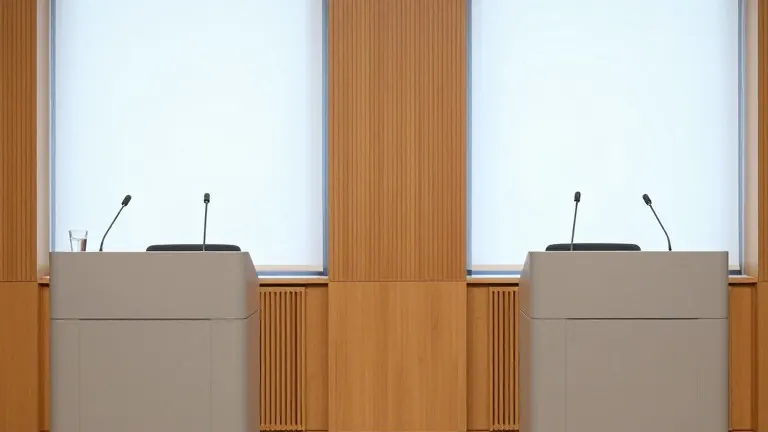
The cost of a single diplomatic choice in 2008 could define the next decade of European security. German Chancellor Friedrich Merz now believes that one specific decision allowed the current war to happen. Speaking in Berlin on November 23, Merz labeled the NATO move a mistake. He told NATO Secretary General Mark Rutte that hindsight shows the price of inaction. The two leaders discussed the Bucharest summit during a joint press conference. Merz argued that supporting the American proposal to admit Ukraine then might have prevented the conflict entirely.
This view aligns with a new push in Paris for clearer membership terms. French President Emmanuel Macron recently suggested reopening the accession debate. He argued that Russia’s hardline approach requires a fresh look at Ukraine’s status. Macron stated that the current situation demands a reevaluation of integration. Merz called this logic consistent. He noted that the security guarantees Ukraine expects are similar to Article 5 of the NATO Treaty. Those provisions mandate collective defense for all members.
Merz described the proposed guarantees as nearly identical to full membership in practice. He said it is hard to imagine Ukraine’s future without these urgent protections. The chancellor emphasized that these arrangements benefit all European allies, not just Kyiv. He expressed strong conviction that regional stability depends on these specific protections. His comments mark a clear break from his predecessor. Angela Merkel previously defended the 2008 decision. Merkel argued that starting the process earlier might have triggered the war sooner.
Kyiv continues to press for clarity on its alliance status. President Volodymyr Zelenskyy raised the topic in meetings with allies on November 21. He indicated that the final outcome depends on the terms agreed to end the war. The diplomatic push faces internal friction within the Western bloc. US Secretary of State Marco Rubio has privately expressed doubts to his counterparts. Reports from Radio Free Europe and Radio Liberty suggest Rubio is unsure if negotiations will succeed. He also questioned whether Kyiv can join the alliance in the near future.
The debate over membership remains central to peace efforts. Leaders are actively renegotiating the definitions of security and alliance. The interplay between immediate guarantees and long-term prospects shapes current positions. As the war enters its later stages, the strategic path for Kyiv remains under review.
More Politics · World news · Report a business · Got a Story?