Experts Share Strategies to Combat Travel Fatigue During the Holiday Rush
As millions of Americans prepare for Thanksgiving travel, health and travel experts offer practical advice to help visitors manage exhaustion and return home feeling refreshed.
By News Media House Staff ·
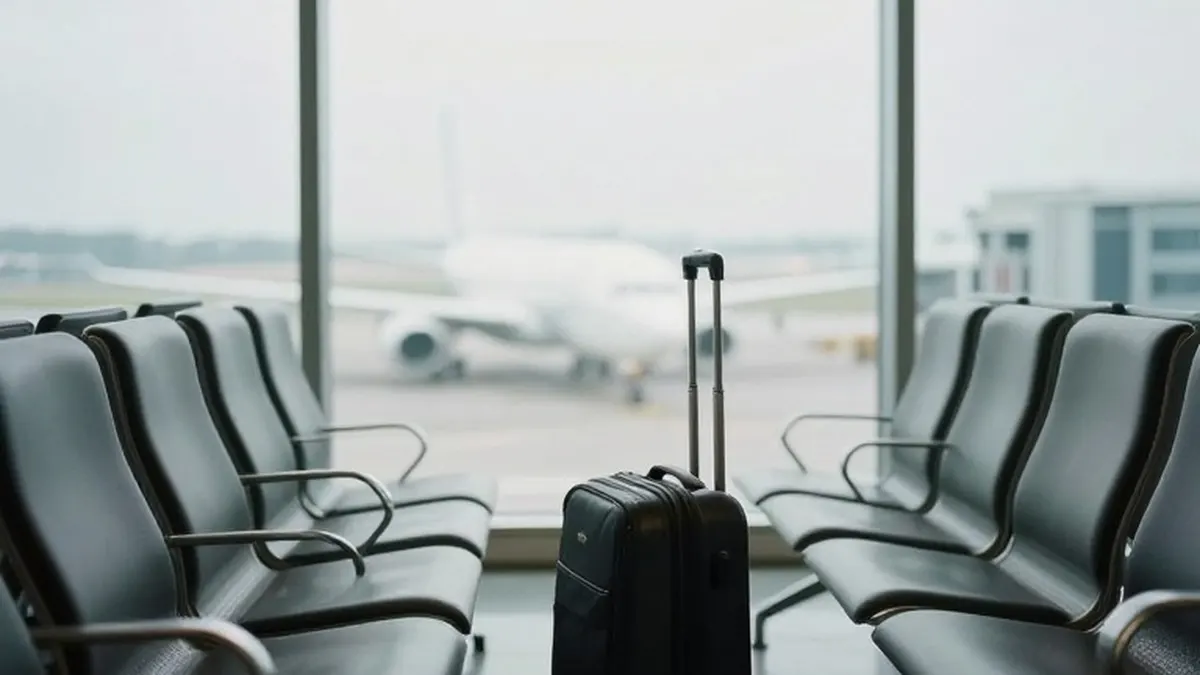
The annual tradition of gathering with loved ones for Thanksgiving often requires significant travel, ranging from five-hour flights to lengthy road trips and train rides. According to the American Automobile Association, an estimated 81.5 million Americans are projected to travel at least 50 miles from their homes between November 24 and November 30. This year, the data indicates a noticeable shift in transportation preferences. Fewer individuals are choosing to fly or drive compared to 2025, while more are opting for buses, trains, and cruises.
Economic factors appear to be driving this change in mobility. Fuel prices are currently approximately 17% higher than they were on the same date last year. Additionally, fare-tracking platform Hopper reports that months of elevated jet fuel costs, partly attributed to the conflict in Iran, have pushed Thanksgiving and Christmas airfares to ten-year highs. These financial pressures are encouraging travelers to seek alternative modes of transport, which may offer new experiences but also introduce different forms of physical and mental strain.
Alaina Tiani, a behavioral sleep medicine psychologist at Cleveland Clinic, notes that different travel methods present distinct challenges. Air travel can lead to dehydration and fatigue due to lower humidity and oxygen levels at cabin pressure. Even waiting in terminals or ports can be draining due to sensory overload. Regardless of the mode of transport, travelers often face cramped seating and limited opportunities to move around or hydrate.
The mental toll of travel extends beyond physical discomfort. Shannon O'Donnell, a travel writer who has authored content on managing travel exhaustion, explains that the constant need to make decisions and remember details can be exhausting. Tasks such as locating hotel keys, planning meals, and structuring daily activities require significant cognitive effort. O'Donnell observes that many people are surprised by how quickly these small mental loads accumulate, leaving them feeling drained after what was intended to be a relaxing break.
Travel fatigue can manifest in unexpected ways, such as a sudden lack of interest in activities that are usually enjoyable. A traveler might find themselves disengaged from their surroundings or appear apathetic to companions. To mitigate these effects, experts recommend a combination of preparation, flexibility, and self-care.
Planning ahead is crucial for reducing stress. Tiani suggests researching restaurants along driving routes and creating a solid itinerary to minimize decision fatigue. She also recommends scheduling a rest day between returning home and resuming daily routines. O'Donnell advises bringing snacks for waiting areas and emphasizes the importance of flexibility. She notes that trying to control every aspect of the trip is a common source of exhaustion, and accepting that things may go wrong is part of the experience.
Travelers should also consider practical accommodations to improve comfort. This might include paying for extra legroom on flights or adding rest stops to driving schedules to limit continuous hours behind the wheel. Prioritizing sleep is another key strategy. While not everyone can sleep comfortably in transit, Tiani encourages getting as much rest as possible during the journey. It is important to recognize that sleep routines will likely be disrupted by new environments and schedules.
Diet and physical activity play significant roles in managing energy levels. Tiani advises staying hydrated and eating balanced meals whenever possible. O'Donnell agrees, highlighting that consuming fresh fruits and vegetables upon arrival helps the body recover from the stresses of travel. Additionally, moving the body is essential. The Centers for Disease Control and Prevention notes that walking around during long trips can reduce the risk of blood clots, a concern for anyone traveling more than four hours by car, bus, train, or plane.
Finally, experts recommend allowing time to decompress after the trip. O'Donnell suggests that travelers do not feel pressured to discuss their journey immediately upon returning home. It is common to feel a mix of positive and negative emotions, and it is perfectly acceptable to let the experience settle over the following weeks before reflecting on it with others.
Originally published by News Media House
More News · National news · Report a business · Got a Story?