Prabowo apologizes to neighbors as Southeast Asia tightens haze rules
Indonesia’s president acknowledged record land fires affecting the region, prompting ASEAN leaders in Manila to strengthen cross-border pollution agreements.
By Naomi Tesfaye ·
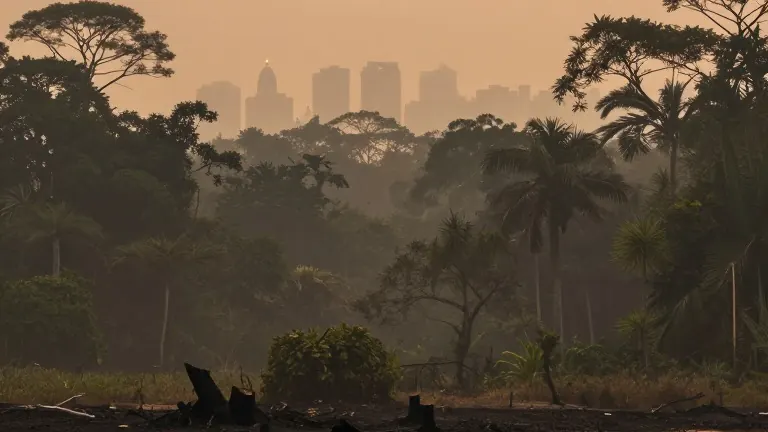
Indonesian President Prabowo Subianto formally apologized to Malaysia and Singapore this week for the smoke plumes that have blanketed much of Southeast Asia. The fires, which covered an area roughly the size of Delaware, represent a record high for land burning in the region.
Subianto stated that his government was forced to implement strict measures against the primary sources of the smoke. He identified companies that burn forests and peatlands to clear land for palm oil and pulpwood production as the main culprits. A severe dry season in Indonesia complicated containment efforts.
The Indonesian administration has taken specific legal actions against these firms. Twenty-six companies are currently under investigation, while 11 have been charged. Seventeen companies have had their permits revoked. The majority of the fires are located on the islands of Borneo, Sumatra, and Papua.
Reactions from neighboring countries have been mixed. A Malaysian official recently labeled Indonesia an outcast within the Association of Southeast Asian Nations. Singapore has moved toward legal action against Indonesian companies suspected of starting the fires. However, the foreign minister of the Philippines described Subianto’s remarks as very frank and candid.
Leaders from the ten member states of ASEAN met at a summit in Manila last weekend. They worked to tighten existing agreements regarding transboundary haze pollution. The body’s secretary-general, Kao Kim Hourn, noted a change in the negotiation atmosphere following the Indonesian apology.
Kao Kim Hourn told the network CNA that this was the first time he heard the issue discussed so sensibly by the leaders. Subianto emphasized that close cooperation and full transparency would strengthen regional bonds.
The diplomatic gesture appears to have eased tensions that had built up during the haze season. The summit concluded with a renewed focus on joint enforcement of environmental regulations across borders.