Rockaway Hosts Adapt Backyards to Coastal Conditions
Local residents use specific materials and flexible layouts to manage wind and moisture in compact outdoor spaces.
By Naomi Tesfaye ·
Homeowners in Rockaway face a specific challenge when hosting guests: compact lots and Atlantic weather. Ocean breezes, shifting temperatures, and limited square footage require practical adjustments to furniture and layout. These conditions often dictate how residents prepare their outdoor areas for social events.
The primary goal is to create a space that remains comfortable despite the elements. Residents focus on weather-resistant materials and flexible seating arrangements. This approach allows for gatherings that do not require extensive construction or high budgets.
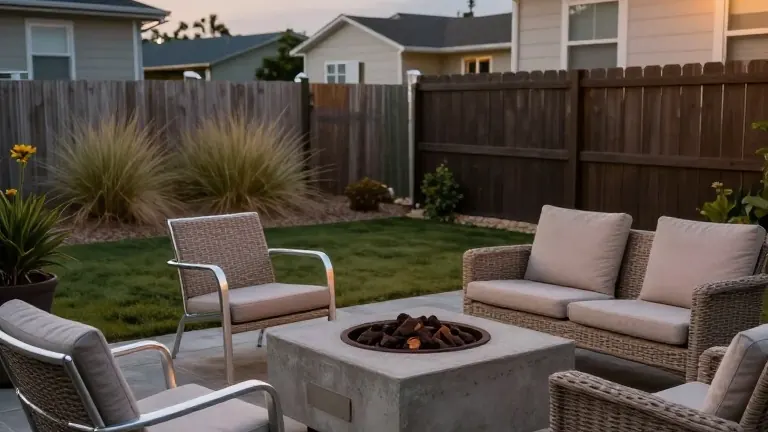
Fire pits serve as a central feature for many evening events. Concrete designs from manufacturers like Royal Fire Pits are common choices for modern patios. These structures provide warmth as daylight fades and create a natural focal point for conversation. Seating is typically arranged in circular groups around the fire feature to facilitate dialogue.
Furniture selection is critical due to proximity to the ocean. Aluminum frames, synthetic wicker, and treated wood are the standard materials used to withstand moisture and salt air. Comfort remains a priority, with supportive chairs and outdoor cushions ensuring guests stay relaxed. For smaller yards, folding chairs and modular sets allow hosts to adjust capacity based on the number of attendees.
Lighting plays a functional role in extending the usability of outdoor spaces. String lights, battery-operated lanterns, and pathway fixtures are common choices. Residents avoid single bright sources in favor of layered lighting to reduce glare. Pathway lights specifically help guests move safely between seating areas and entrances during evening hours.
Food preparation is streamlined to minimize time spent away from guests. Hosts often prepare ingredients in advance and use organized serving tables for self-service. Grilled vegetables, sandwiches, and seasonal salads are typical menu items. These dishes are easy to prepare and suit the casual nature of backyard gatherings. Seafood options are also common, reflecting the local coastal identity.
Weather planning is a necessary step before any event. Hosts check local forecasts to anticipate wind or rain. Stable furniture and secured decorations help withstand gusts. A covered patio or nearby indoor area provides a backup space if conditions change. Shaded seating and accessible water are prioritized during hotter afternoons.
Personal touches help distinguish specific events from routine use of the space. Hosts may include casual lawn games, specific music playlists, or photo areas. These elements encourage interaction among friends and neighbors. Many families establish recurring traditions, such as annual barbecues or seasonal celebrations, that become regular fixtures in the neighborhood calendar.
The combination of durable materials, thoughtful lighting, and flexible planning allows Rockaway residents to host effectively year-round. The focus remains on practicality and comfort. This approach enables homeowners to utilize their limited outdoor space for social connection without compromising on resilience against local weather patterns.