Telecom Fraud: A 50-Year Customer Faces $5,128 Bill After Fake AT&T Offer
Caller ID spoofing and persistent pressure led a Delaware resident to purchase four iPhones he no longer owns.
By Adrian Kovalenko ·
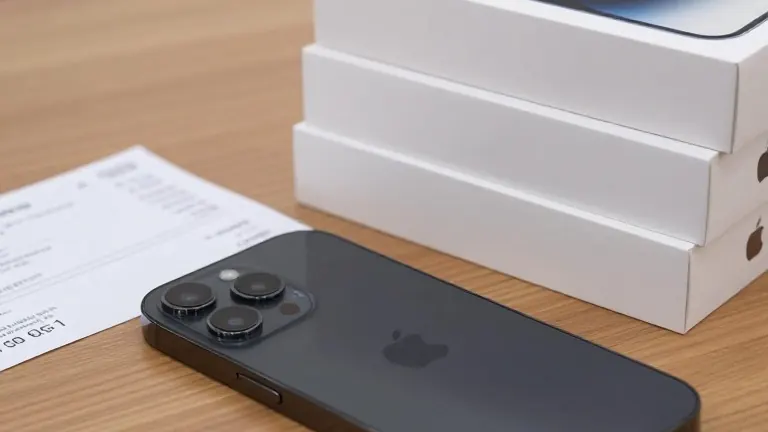
A man in New Castle, Delaware, was left with a $5,128 bill after a caller claiming to represent AT&T convinced him to buy four new smartphones.
David Miller, a customer for more than 50 years, received a call from what he believed was the telecommunications company's loyalty department. The caller offered him four new iPhones and a reduced monthly rate. Miller described the proposition as sounding pretty good. He purchased four iPhone Pro Max devices, with each unit costing approximately $1,200. The caller instructed him to bring the phones home and call back for activation. Miller noted that the caller told him not to mention the loyalty department to store employees, a detail that later raised his suspicion.
The deception deepened when a second caller, identifying himself as an IT representative, joined a FaceTime call. This individual asked to see the backs of the phone boxes to verify the devices. He then claimed an activation issue occurred and instructed Miller to ship the phones back using a prepaid label. Miller was told replacement units would arrive the following day. The scammers contacted him repeatedly, sometimes multiple times per day for a week. When the replacements did not arrive, Miller realized he had been scammed. He noted that every incoming call displayed AT&T as the caller ID, which was the primary factor that convinced him the interaction was legitimate.
Miller immediately contacted AT&T’s fraud department, filed reports with UPS and local police, and reached out to consumer protection agencies. The company initially informed him he was responsible for the charges because he authorized the purchases. The total bill amounted to $5,128. Miller stated that the first installment alone exceeded $900 for phones he no longer possessed. He described his emotional state as devastated during this period. The incident aligns with Federal Trade Commission data identifying impersonation of trusted companies as a common fraud scheme that results in billions of dollars in annual losses.
Miller sought assistance from the consumer advocacy group In Your Corner. The organization reviewed his case and contacted AT&T directly. The next day, a representative from the Office of the President and Consumer Affairs called Miller. The representative stated that the company understood the problem and would resolve it. AT&T agreed to waive the charges and refund incurred fees. Miller noted that the resolution restored his confidence in the company. He advised that if an offer sounds too good to be true, it probably is. He also recommended that consumers take time to think over unexpected requests rather than rushing into decisions. Consumer advocates suggest hanging up and calling the company back using a number from a bill or official website to verify legitimacy.
Miller’s case illustrates the effectiveness of caller ID spoofing in establishing false trust. The technology allows scammers to display legitimate business names on a victim's screen. This tactic remains a primary tool in telecommunications fraud. The Federal Trade Commission reports that these schemes continue to cause substantial financial damage nationwide. Miller’s experience underscores the financial risk for long-term customers who trust displayed caller information.
More Business · Business Watchdog · Report a business · Got a Story?