Tesla Adopts 30 km/h Map Strategy After Brussels Speeding Data
After years of dismissing external cartography, Tesla is now developing proprietary mapping tools to address persistent errors in speed limit recognition and routing.
By Arjun Patel ·
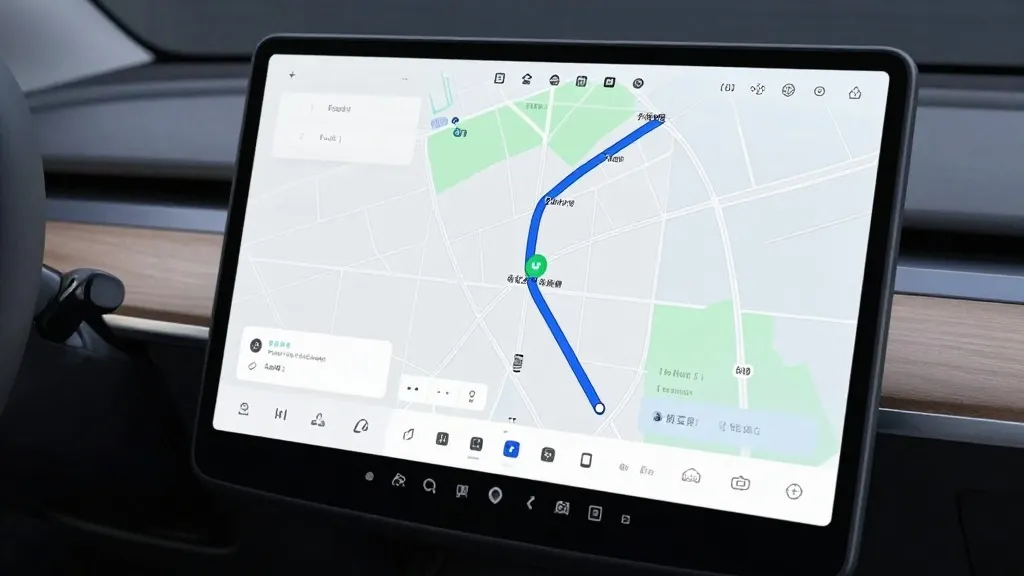
Tesla is finally building its own mapping infrastructure to correct frequent errors in its Full Self-Driving system. This move marks a significant departure from the company's long-standing stance that reliance on detailed maps makes autonomous driving brittle. During the Q3 2026 earnings call, Ashok Elluswamy, Tesla’s VP of AI, confirmed that the company is developing a new AI-based mapping architecture. This system will utilize data collected from the entire fleet to improve how vehicles handle speed limits, parking, and route selection.
The decision stems from direct feedback from shareholders who noted that mapping remains a weak point for current FSD versions. A retail investor highlighted that the system often struggles with basic environmental understanding, specifically citing speed limit signs and typical routes as major pain points. Elluswamy agreed that Tesla should not depend on third-party data. He explained that the new system will initially manage the start and end of trips with the upcoming FSD v15 release. Over the following months, it is expected to take over broader navigation and destination handling duties.
This pivot contrasts sharply with past statements from company leadership. In 2019, Elon Musk declared that high-precision lane maps were a huge mistake that created extreme brittleness in the system. He famously dismissed lidar as a fool’s errand and argued that cameras and AI were sufficient for driving anywhere. At the time, Tesla was already experimenting with high-precision mapping data from customer cars, but the public narrative focused heavily on the power of pure vision. Seven years later, the company is implementing a map layer to fix the very issues that vision alone failed to resolve reliably.
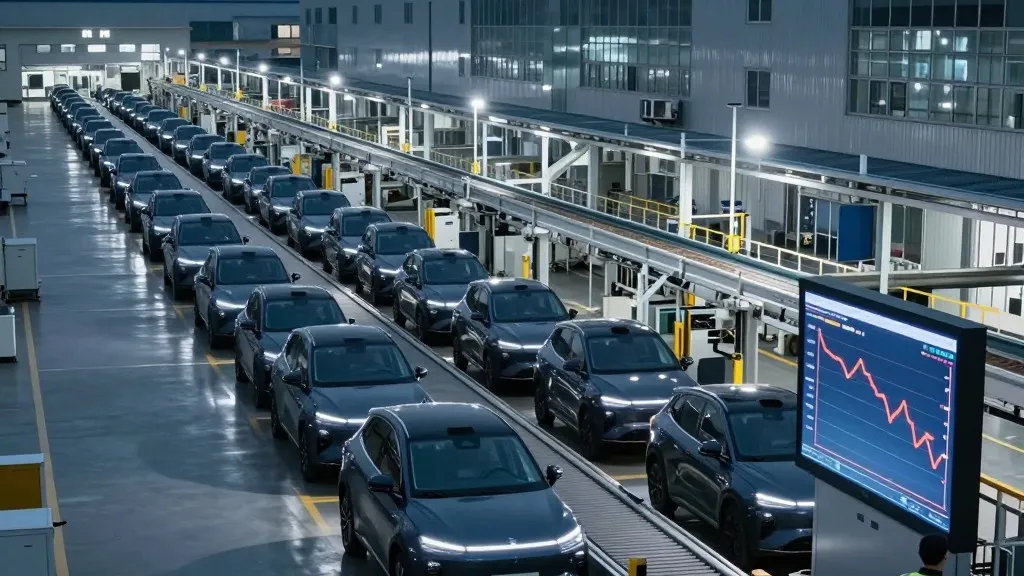
Critics point to recent data showing how often the current system misreads road information. Last month, a Belgian road safety group found that FSD vehicles exceeded the limit in 55% of the 30 km/h zones tested in Brussels. The cars averaged 44 km/h, often because the interface displayed an incorrect 50 km/h limit. In the United States, the NHTSA is considering an investigation into claims that Robotaxis speed through active school zones. These incidents suggest that even simple visual cues like speed limit signs remain challenging for the end-to-end vision model.
The new approach makes Tesla’s strategy look increasingly similar to that of its rivals. Waymo has long relied on pre-mapped cities and continuous updates from its sensor-equipped fleet to ensure safe autonomous driving. Tesla is now describing a nearly identical process where cars collect data to feed a central map that improves performance for every vehicle. The primary technical difference remains the presence of lidar on Waymo vehicles, but the underlying logic of using fleet data to build environmental knowledge is the same. This shift aligns with how Tesla’s Robotaxi service currently operates within specific geofenced areas, a model Musk previously argued was not true self-driving.
For New England drivers, this development highlights the ongoing evolution of autonomous technology in the region. As Tesla pushes unsupervised FSD for consumer cars toward Q2 2027, the addition of proprietary maps may help bridge the gap between marketing promises and on-road reality. The company aims to use this data to refine its understanding of local road rules and preferences, potentially making the system more reliable for daily commutes. Whether this new architecture can fully correct past errors remains to be seen, but it signals a pragmatic adjustment after a decade of debate.
Source: Electrek