Tesla Sets Late 2027 Target for Humanoid Robot Deliveries
Elon Musk acknowledges that durability and dexterity remain hurdles as the company shifts focus to industrial applications for its Optimus line.
By Christopher Reed ·
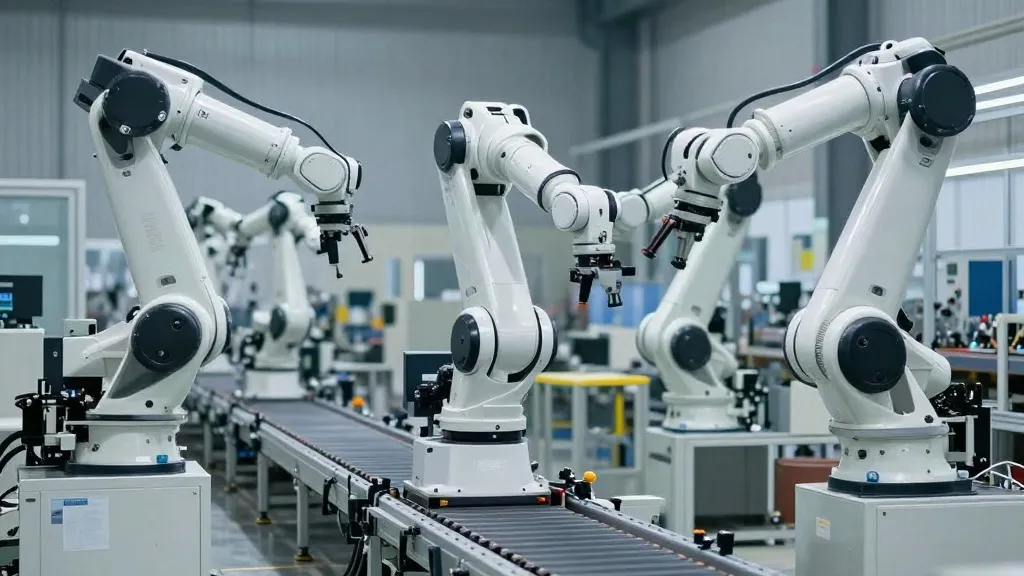
Tesla has officially moved the timeline for external deliveries of its Optimus humanoid robots to the end of 2027. During the Q3 2026 earnings call, CEO Elon Musk clarified that while early production has begun, the company needs more time to resolve critical issues regarding the robot's hands, overall durability, and artificial intelligence capabilities before it can sell units to outside businesses.
The shift in schedule reflects the ongoing challenges inherent in developing general-purpose humanoid hardware. Musk stated that the robot’s fingers must be soft enough to handle delicate items yet durable enough to withstand constant industrial wear, a mechanical puzzle that remains unsolved. He noted that unlike human skin, the robot cannot heal from minor abrasions, making the hand assembly one of the most difficult hardware components to perfect.
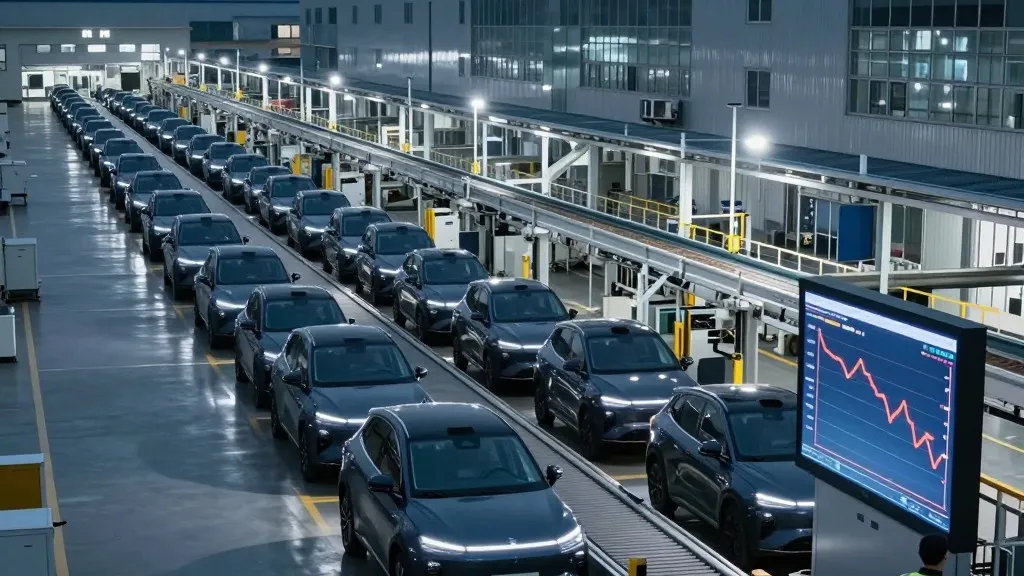
Production infrastructure is already in place to support this delayed launch. Tesla has installed the majority of the high-volume assembly line in Fremont, California, the same facility previously used for Model S and Model X vehicles. Although the line is designed to eventually produce a million units per year, or roughly 20,000 per week, Musk indicated that reaching that capacity will take at least a year, possibly longer, because certain design elements are still undergoing changes.
To address the gap in training data, Tesla is planning a new initiative called the Optimus Academy. Since the company lacks a massive fleet of robots collecting real-world data similar to its vehicle fleet for Full Self-Driving, it intends to build between 10,000 and 20,000 units specifically for practice. These robots will perform tasks in a controlled environment to improve their AI architecture. Additionally, Tesla plans to integrate its AI5 chip into the Optimus platform around April 2027 to boost processing power.
Context from Tesla’s Q3 shareholder letter reveals that the units currently coming off the Fremont line are the first to be considered production quality. This designation implies that previous iterations were not robust enough for commercial sale. The company expects these industrial-grade units to target jobs that are dangerous, repetitive, or require 24/7 operation, marking a significant step from internal testing to external deployment.
The competitive landscape presents a mixed picture for Tesla’s lead. While Musk claimed on the call that no other company is close to Tesla in general-purpose humanoid development, competitors have shown substantial progress. XPeng, a Chinese automaker, activated an automated production line for its IRON robot in September, with over 80% of core processes automated. XPeng aims for mass production by late 2026 and deliveries in the first half of 2027, a timeline nearly identical to Tesla’s.
Hyundai’s Boston Dynamics offers another point of comparison. The company began producing its electric Atlas robot in January and has already committed all of its 2026 deployments, including to Google DeepMind. Boston Dynamics opened a training center in Georgia in September, where Atlas is learning to sequence car parts. Unlike Tesla’s focus on dexterous hands, Boston Dynamics has prioritized sturdy grippers for industrial parts, effectively bypassing the dexterity challenge that Tesla cites as a primary bottleneck.
The outlook for humanoid robotics remains cautious as timelines continue to shift. Tesla’s target for external deliveries has moved from 2025 to 2026, and now to late 2027. While the company promises a video within the next month or two demonstrating unscripted tasks, the industry faces the same core hurdles: reliable hardware, durable components, and AI that can generalize to new tasks. For now, the focus remains on solving the mechanical and software reliability issues before the robots can truly enter the workforce.
Source: Electrek