Trump Demands AI Giants Pay Local Dividends to Ease Data Center Tensions
The President is pushing for AI companies to share energy costs and power surpluses with neighboring towns to quell growing public backlash against new facilities.
By Mykola Bondarenko ·
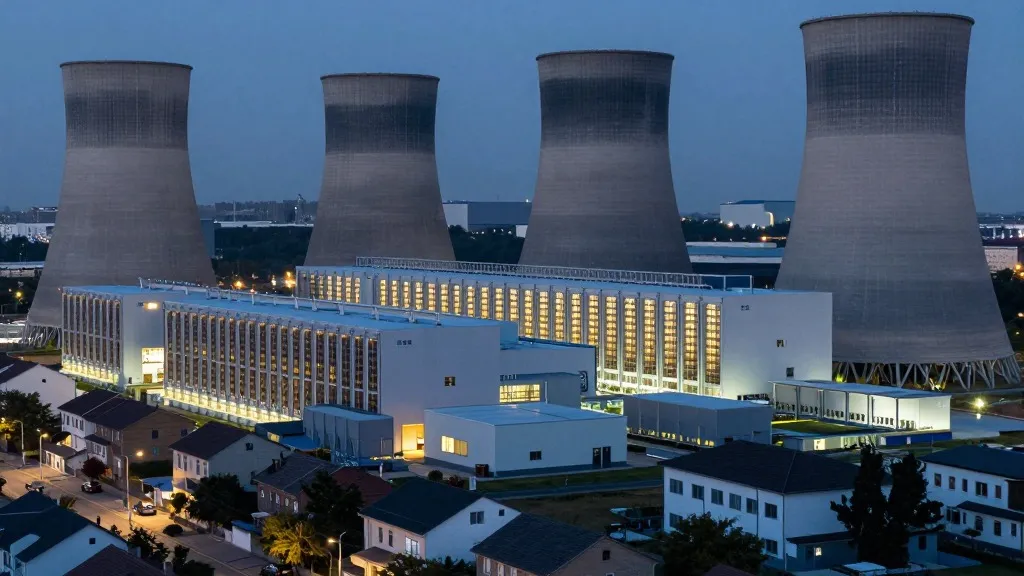
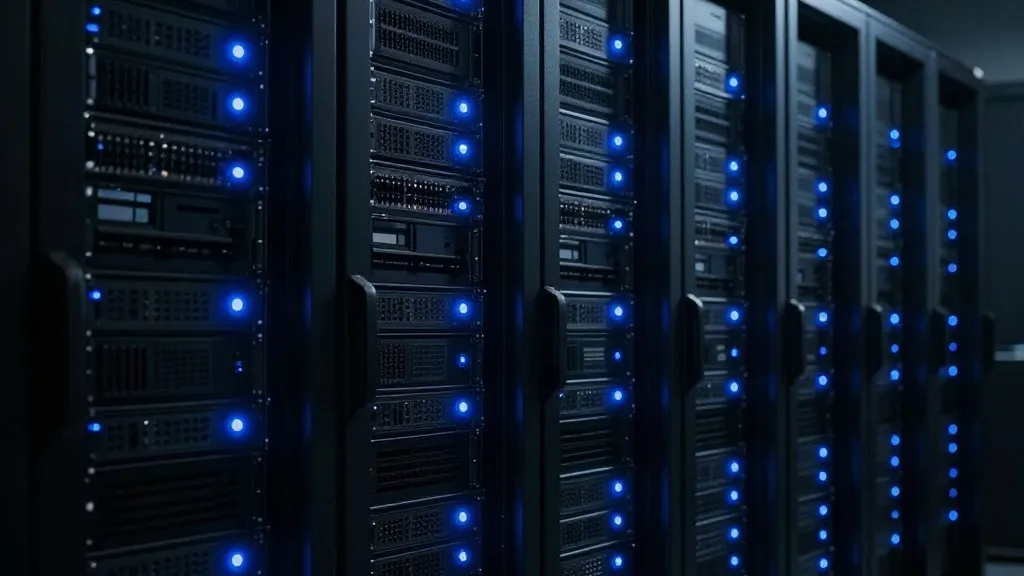
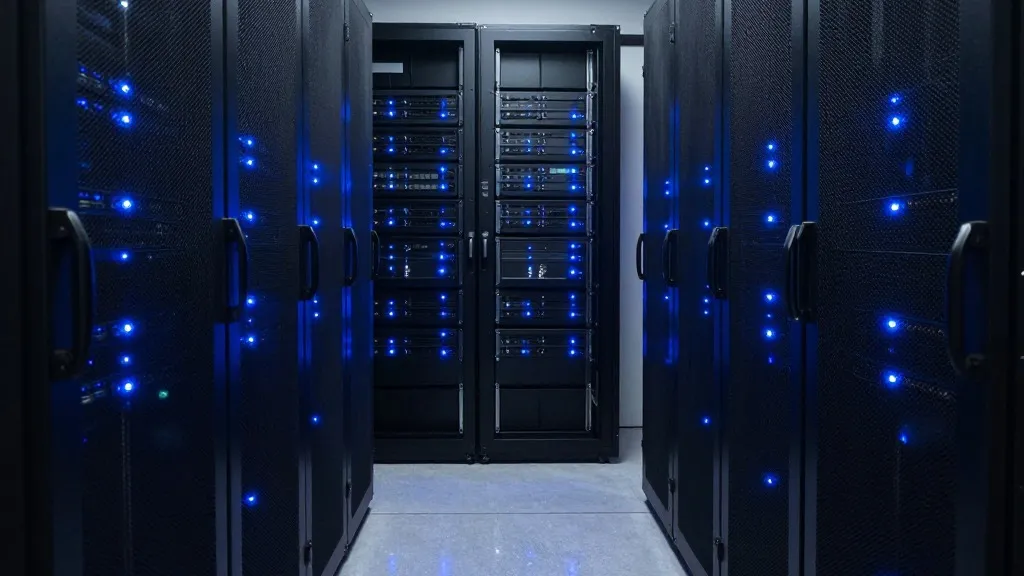
The battle over where to build the massive data centers powering the artificial intelligence boom has reached a boiling point in small communities across the country. Residents in these areas have long complained about the heavy footprint of these facilities, citing rising electricity bills, persistent noise, and strain on local water supplies. In an effort to smooth over these conflicts, President Donald Trump has stepped in with a new directive: AI hyperscalers and data center builders must now pay a "dividend" to the local communities they impact. The goal is to make these massive installations more acceptable to the neighbors who have to live with them.
This move follows a timeline of increasing friction between tech expansion and local needs. For years, towns have protested against the outsized environmental and financial costs of hosting these centers. The administration has previously ordered these companies to generate their own electricity rather than relying solely on the existing grid. Recently, a new act was passed requiring data centers to cover the costs of necessary grid upgrades, ensuring these expenses are not passed on to local taxpayers through higher bills. Now, the focus is shifting to how that self-generated power can be leveraged for the benefit of the surrounding population.
In a post on Truth Social, the President warned that these mandates would go beyond just self-sufficiency. He stated that data centers would be required to either give or sell their excess energy back to the local community. This strategy is designed to prevent energy prices from climbing further and, ideally, to bring them down. The administration views this as a critical step in staying ahead of China in the AI race while simultaneously winning back favor with the public. By having these large corporations provide something tangible to the affected areas, the hope is that the presence of data centers will become less contentious.
The President argued that financial agreements can transform a site from unpopular to highly sought after. He noted that data centers that were once highly unpopular in certain areas have become extremely popular once a financial deal was struck. His post closed with a direct instruction to the industry: "MAKE DEALS, and get them built!!!" The underlying theory is that if the economic aspect is addressed, specifically by partially paying for rising electricity costs, the immediate pain point for homes in the vicinity will be alleviated.
However, the practical details of how this dividend will be calculated and distributed remain unclear. It is not yet known if this financial gesture will be enough to silence critics. While energy costs are a major grievance, they are only one facet of a much larger problem. Enormous water consumption, ecological damage, and air pollution remain significant challenges that make these facilities a difficult sell in many locations. The term "dividend" itself has raised questions, as it typically implies a return on profit, whereas many new data center builds are still in the costly phase of recouping initial construction expenses.
Looking ahead, the administration is eager to see more of these deals finalized to accelerate construction. The plan relies on the excess electricity from the self-generation mandates to lower local costs. If successful, this could set a new precedent for how large-scale tech infrastructure shares its burden with local communities. Yet, until the specific mechanics of these payments are defined, residents may remain skeptical that the noise, water use, and pollution will be resolved by a check in the mail. The next phase will involve watching whether companies agree to these terms and how effectively they translate into visible relief for the neighbors living next to the servers.
Source: Tom's Hardware