Vahe Shahinian's lawsuit against merchant cash advance lender heads to trial
A Los Angeles concert promoter alleges a $750,000 line of credit was a disguised loan trap that triggered seven years of daily payments and over $1 million in personal debt.
By Julia Wang ·
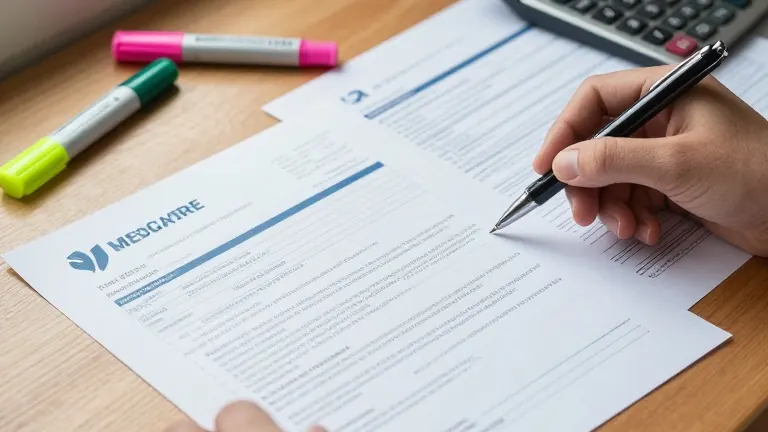
Vahe Shahinian, a Los Angeles-based concert promoter, is preparing for a civil trial that could set a precedent in the largely unregulated merchant cash advance industry. His case against EIN Cap, a Wall Street-based finance firm, centers on a 2019 transaction he describes as a bait and switch. Instead of receiving the promised $750,000 line of credit at a 9% interest rate, Shahinian claims he was locked into a merchant cash advance requiring daily payments of $3,600. He has been making those payments for seven years, a duration that far exceeded the initial 30-day term outlined by his broker.
Shahinian built It's My Seat, his ticketing and production company, over 15 years, growing it from a side project into a full-time business that hosted performances for artists like Engelbert Humperdinck. By 2018, the company generated roughly $5 million in annual ticket sales. When his primary lender, American Express, discontinued its merchant financing program, Shahinian needed $200,000 for a new tour within two weeks. He initially secured two cash advances totaling $250,000, which he repaid with nearly $400,000 in fees and principal.
The dispute began when a broker approached him with a preapproved line of credit. Shahinian stated that the broker described the initial 30-day payment period as a test of his reliability. He received $228,000 in cash, with the remaining $22,000 withheld as an upfront fee. After 30 days passed without the full credit line activating, Shahinian continued paying the daily installments, believing the delay was technical. EIN Cap later argued in court that it never promised a traditional loan, only a cash advance, and that the brokers were responsible for the specific terms.
Shane Heskin, Shahinian's attorney, describes the practice as 'carroting,' where an attractive low-interest loan is used to lure borrowers into unfavorable cash advances. Heskin notes that he sees two or three such cases weekly and that immigrant entrepreneurs are frequent targets. Shahinian filed suit against EIN Cap and the brokers in 2019. After three years of litigation, the parties reached a settlement, though the terms remain sealed in depositions. The case now proceeds to trial, marking one of the first instances of such a dispute reaching a jury verdict.
The financial strain forced Shahinian to borrow more than $1 million from family and friends, including restaurant owner Zorik Yeghikian. Yeghikian, who had previously suffered similar losses with a $30,000 advance, lent money to Shahinian to keep his business afloat. Shahinian canceled several concerts to cut costs, incurring six-figure losses. He now faces a trial that could clarify the legal boundaries between merchant cash advances and traditional loans in the U.S. small business market.
More Business · Business Watchdog · Report a business · Got a Story?