
Westchester lighting: Check wiring before swapping fixtures in older homes
Residents are advised to verify electrical capacity and room proportions before purchasing new light fixtures to preserve architectural details.
By Adrian Kovalenko ·
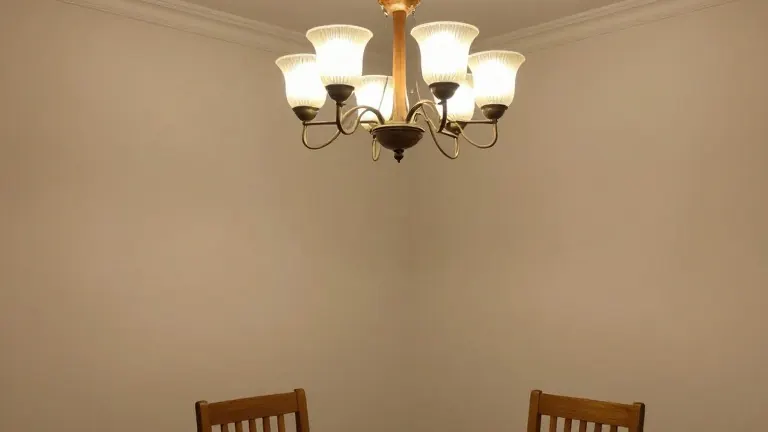
Homeowners in Yonkers and across Westchester County should have an electrician inspect ceiling boxes before buying new lighting for older properties. Many houses in the area were rewired in stages over several decades, creating inconsistent circuit standards. Some rooms now feature modern grounded circuits, while others still rely on infrastructure closer to the original build.
This discrepancy creates a risk for heavy pendant lights or chandeliers. A fixture that exceeds the load capacity of an existing box poses a safety hazard. It is easier to solve these issues during the planning phase than to correct them after installation. Local electricians recommend checking the wiring status before customers fall in love with a specific design.
Bulb selection requires attention to color temperature and dimmer compatibility. The U.S. Department of Energy suggests that homeowners choose LED bulbs rated for 2700K color temperature. This warm white light matches the incandescent glow for which these older homes were designed. Blue-tinged bulbs can make warm wood tones and plaster moldings appear flat and gray.
Physical dimensions of the room dictate fixture scale. A light that appears modest in a retail store may crowd a bedroom with low ceilings or vanish in a tall dining room. Buyers are encouraged to measure ceiling height and room width before placing an order. Creating a cardboard circle matching the proposed fixture diameter helps visualize the scale at eye level.
Dining rooms require specific clearance checks. The fixture must hang low enough to illuminate the table surface without blocking the line of sight for seated guests. A fixture that overhangs the table edges can create a low edge that catches people moving around chairs. An open bottom or glass shade directs light downward onto place settings rather than throwing it up against the ceiling.
Living rooms often benefit from layered lighting instead of a single central source. Combining an overhead fixture with table lamps and floor lamps distributes light for reading and conversation. This approach reduces the need for one oversized overhead unit, which is particularly useful in rooms with lower ceilings.
Entryways and stairwells set the tone for the rest of the home. A pendant that matches the finish of existing door handles or stair railings ties the space together without requiring a full renovation. For stairwells, positioning a fixture to light the full run of stairs improves safety compared to lighting only the top or bottom landing.