62% Drop: Nighttime Lighting Reduces Insect Visits to Plants
A 2017 Swiss study found that artificial light lowers nocturnal pollination visits by 62% and cuts fruit production by 13% on focal plants.
By Adrian Kovalenko ·
A 2017 field experiment published in Nature determined that artificial nighttime lighting reduces nocturnal visits to plants by 62%. The study, conducted in Switzerland, also found that a focal plant experienced a 13% reduction in fruit production despite receiving visits from daytime pollinators.
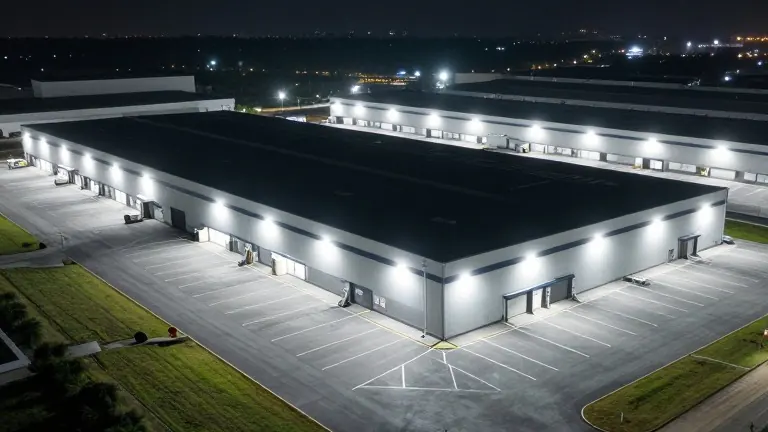
These findings provide a baseline for understanding how development in South Jersey affects local ecosystems. Along Route 322 in Gloucester County, new commercial projects are replacing rural and agricultural land with large logistics hubs. In Woolwich Township, a 154-acre development near Locke Avenue includes plans for three warehouses totaling nearly 1.2 million square feet. Further east in Harrison Township, a 385-acre proposal near the Route 55 interchange includes plans for 10 warehouses. Such properties typically require extensive outdoor lighting, altering the darkness of areas that were previously dim after sunset.
Daniel Duran, an assistant professor of environmental science at Rowan University, noted that artificial lighting is one of several pressures affecting insects. He described the combined effects of pesticides, habitat loss, and lighting as a multi-part impact on biodiversity. Yahel Ben-Zvi, a postdoctoral researcher at Rutgers University, explained that moths rely on the moon and stars for navigation. Artificial lights disrupt these cues, causing insects to circle and collide with surfaces. This behavior exposes them to predators and interferes with mating activities.
The impact extends beyond moths to other nocturnal and crepuscular insects, including beetles and flies. Fireflies face specific challenges because they use bioluminescent signals to communicate. The Xerces Society for Invertebrate Conservation states that at least 80% of firefly species in the United States and Canada rely on these light-based interactions. A 2020 study cited habitat loss, artificial light, and pesticide use as the primary threats to firefly populations.
New Jersey’s State Planning Commission offers specific guidance to mitigate these effects. Its Warehouse Siting Guidance recommends reducing light pollution and glare to the maximum extent possible. The commission suggests using motion sensors that dim exterior lighting to between 25% and 50% output after ten minutes of inactivity. It also advises directing lights toward the interior of sites and using full cut-off shields.
Duran emphasized that the color of the light matters. A 2022 review in the Annual Review of Environmental and Resources noted that LEDs often emit strongly at blue wavelengths, which trigger biological responses in insects. Duran recommended using amber or yellow tones, which attract fewer insects than white or bluish lights. He described switching bulbs as a practical step for communities to reduce unnecessary exposure.