Former FBI Agents Describe Mechanics of Dirty Bomb Threat Amid Iranian Plot Reports
Experts explain how radioactive dispersal devices function and how federal fusion centers coordinate local intelligence to detect early warning signs.
By Naomi Tesfaye ·
Reports indicate Iran is developing a plan to target senior Trump administration officials with a radioactive dispersal device, commonly known as a dirty bomb, or a chemical weapon. President Donald Trump told reporters on Tuesday that he views the threat with high seriousness, while the homeland security secretary described the plans as aspirational. The administration currently states there are no credible threats at this time.
The concept of a dirty bomb differs from a standard nuclear weapon. It does not rely on a nuclear explosion. Instead, the device aims to leave a lingering effect through the dispersal of radioactive material. Former Special Agent in Charge Tim Gallagher, who previously led FBI field offices in Washington and New Jersey, explained the physical impact of such a device. He noted that the blast force is comparable to that of a standard pipe bomb.
Gallagher added that the primary consequence often involves panic and restricted access to buildings that were not directly hit. Radioactive readings in those structures will be elevated, leading authorities to close them off. Retired agent Jeff Lanza offered a similar assessment of the device's intent. He stated that the blast would likely cause more immediate physical harm than the contamination itself. According to Lanza, the broader strategic goal is to incite public fear that widespread contamination is possible.
Detecting these threats relies on a combination of federal resources and ground-level intelligence. Law enforcement agencies compile data from various sources to build a comprehensive picture of potential risks. Gallagher cited examples of how small details can trigger investigations. He mentioned sources working in hardware stores who notice specific purchases or employees at medical supply companies who report thefts. These local observations feed into the federal response network.
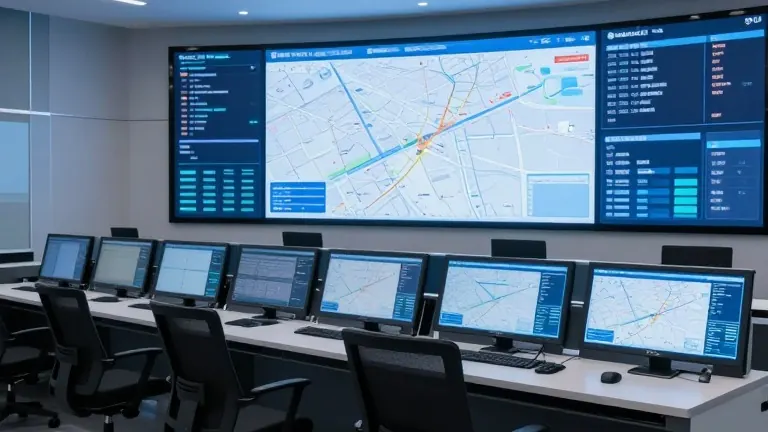
The process centers on fusion centers, which serve as hubs where different levels of government share information. These centers allow federal, state, and local law enforcement to collaborate in the same room. This structure was heavily utilized during the investigation of the Boston Marathon bombing in 2013 and in subsequent safety planning. Meryl Bralower, who lives one block from the site of the 2013 bombings on Boylston Street, recalled the intense police presence that followed the attacks. She noted that residents do not forget the intensity of those operations.
Local residents in Boston acknowledge that their city is a major metropolitan area and a potential target. Sanaai Watson of Norwood said the prospect of an attack has crossed her mind. Both Gallagher and Lanza emphasized that the groups involved in monitoring these threats are working to understand the risk and take action before an incident occurs. The coordination between local observation and federal analysis forms the core of the current defensive strategy.