Backyard Birding: Smartphone Apps Drive Hobby Growth
Low-cost equipment and identification tools like Merlin have made observing local wildlife accessible to casual observers.
By Adrian Kovalenko ·
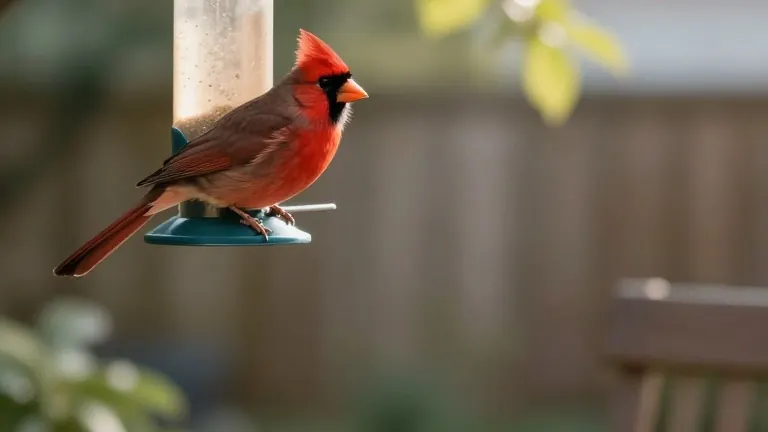
Beginner-grade binoculars cost under $200, making the initial investment for backyard birding minimal compared to other outdoor hobbies. This low barrier to entry has contributed to a recent surge in the activity's popularity. Enthusiasts need only curiosity, patience, and a simple notebook or smartphone to record sightings. The hobby provides a structured way to observe wildlife interactions outside the home.
Technology has accelerated this growth. Modern smartphone applications allow users to log data in real time, record calls, and identify unfamiliar species immediately. One free app, Merlin, analyzes multiple bird songs simultaneously. It identifies each caller and displays corresponding photos and species profiles, streamlining the learning process for new observers.
Participants often start by maintaining a list of birds visiting feeders. Citizen science initiatives, such as Project FeederWatch, allow these individuals to submit their observations to national organizations. This data helps scientists compare local bird activity with national trends. A morning coffee session becomes a data collection point for researchers.
The activity requires no specialized travel or large equipment. Observers track species from their own properties. The combination of affordable optics and digital identification tools has broadened the demographic of bird watchers. The process relies on consistent observation and data entry rather than technical expertise.
National organizations aggregate the submitted data to monitor population shifts. Local observers contribute to a larger dataset without leaving their yards. The trend reflects a shift toward accessible, low-cost engagement with the natural environment.