CFPB Funding Cuts Correlate With 29% Spike in Tri-State Complaints
Consumer reports in New York, New Jersey, and Connecticut show a sharp rise in filings while the percentage of users receiving financial relief has dropped by 17%.
By Naomi Tesfaye ·

Consumer complaints against financial institutions in the New York, New Jersey, and Connecticut tri-state area increased by 29% over the past year. At the same time, the number of consumers who received relief from the Consumer Financial Protection Bureau fell by 17%. This divergence in data coincides with a 46% reduction in the bureau's funding from the previous year.
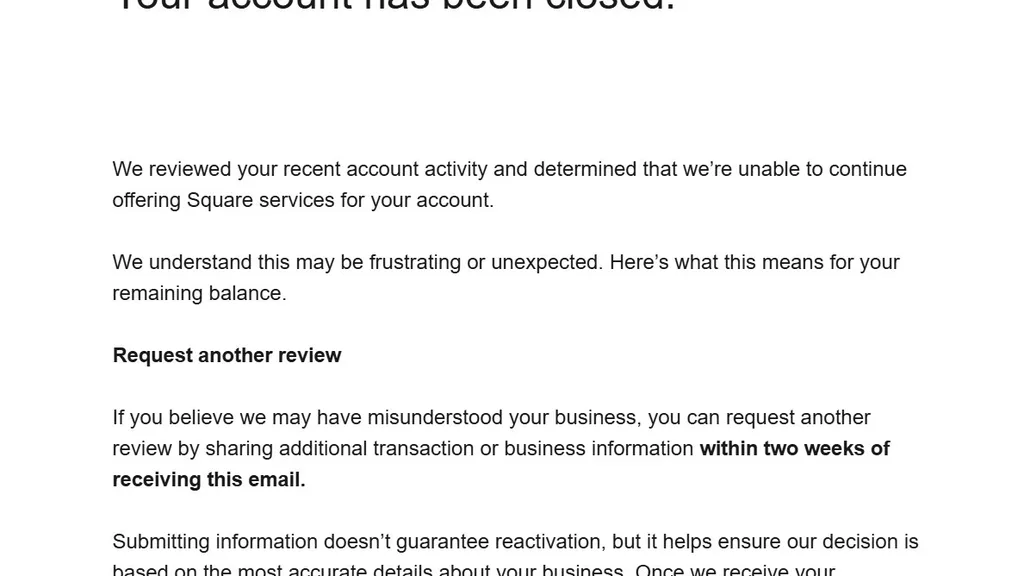
The rise in complaints includes specific grievances from residents across the region. One New York consumer reported that their checking account was closed while it still held approximately $6,000. A separate user in the same state stated that credit cards they had used for 20 years were terminated without explanation. In New Jersey, a consumer claimed that unauthorized accounts and debts were reported under their name.
Adam Rust of the Consumer Federation of America described the current trend as a period where more people are filing complaints, but distinctly fewer are securing a resolution. Rust noted that the CFPB has closed roughly 40% of the investigations that were in progress. The agency has also rolled back dozens of settlements that had already been finalized.
Rust characterized the agency's recent actions as a reversal of penalties. He stated that the CFPB is effectively canceling penalties and taking things away from people in cases where wrongdoing has been established. The bureau has not responded to a request for comment regarding these changes in enforcement strategy.
During summer testimony before the Senate Banking Committee, the CFPB’s acting director offered a defense for the reduced activity. He argued that the bureau under the Biden administration had overstepped its authority by intervening in cases where it was not necessary. The acting director said the agency is now targeting only clear-cut cases of direct harm to consumers.
Consumer advocates have pushed back against this explanation. Rust argued that the economy has become harder to navigate, making it a difficult time for a regulator to reduce oversight. He contended that the current economic conditions make it an inopportune moment for the CFPB to step back from enforcement.
More Business · Business Watchdog · Report a business · Got a Story?