Connecticut Raises Heat Pump Rebates to Combat Record Oil Prices
State officials increased incentives for electric heating systems as average heating oil costs surged 75 percent year-over-year.
By Julia Wang ·
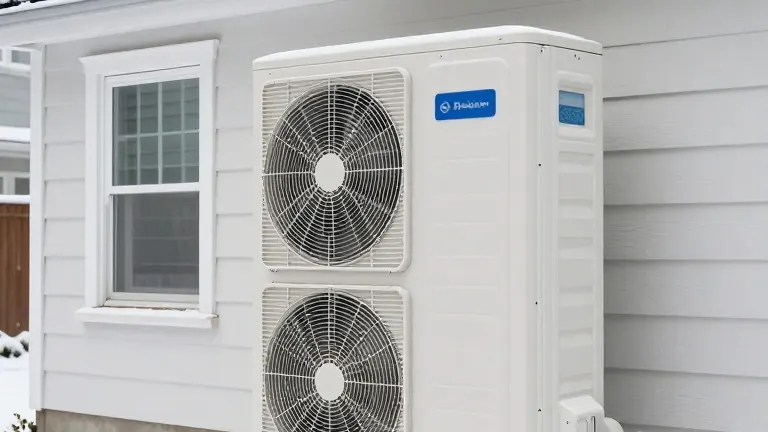
Heating oil prices in Connecticut have reached their highest levels in recent history, prompting state officials to expand financial incentives for residents seeking alternative heating methods. The Department of Energy and Environmental Protection (DEEP) announced adjustments to its rebate programs to help households reduce dependence on fuel oil this winter.
The average retail price for heating oil in Connecticut is currently $6.19 per gallon. According to the Connecticut Regional Retail Heating Oil Price Survey, this figure is nearly 75 percent higher than the price recorded at the same time last year. More than one-third of households in the state rely on fuel oil for primary heating, as reported in the 2025 American Community Survey.
Andy Frank, the deputy commissioner for DEEP, stated that the rising costs necessitate immediate action. "It's starting to get colder here in Connecticut and we know that oil prices are very high this winter," Frank said. He emphasized the need for residents to begin planning early due to the time required for scheduling installations and determining appropriate system plans.
Energize Connecticut, a statewide initiative, has increased rebates for air-source heat pumps to $1,500 per ton. This is an increase from the previous rebate amount of $1,000 per ton. While these systems can cost between $8,000 and $20,000 to install depending on home size, they operate by moving heat rather than generating it, which can reduce long-term energy expenses.
Frank explained that air-source heat pumps utilize electricity, allowing homeowners to shift from predominantly oil-based heating to electric heating. "But the air source heat pumps are extremely efficient," Frank said. He noted that some homes may still require a small amount of oil, but the electric system handles the majority of the workload.
For homeowners who do not wish to invest in a new heating system, the state offers a $40 home energy audit. This service includes an assessment of energy usage, sealing of leaks and cracks, and written recommendations for insulation and heating improvements. Jennifer Sanguano, an energy efficiency spokesperson for Eversource, compared weatherization efforts to wrapping a warm blanket around the property to retain heat.
Approved contractors conduct these audits, inspecting areas from the attic to the basement. Sanguano stated that technicians install weatherstripping, door sweeps, and advanced power strips. They also implement water-saving measures and provide written advice on insulation to maintain indoor temperatures. Eversource reports that participants in this program save an average of $70 to $100 annually on energy bills.
Low-income households may qualify for a free audit, while renters must obtain a signed authorization form from their landlords. Experts advise that homeowners consider an audit if they notice drafts, uneven room temperatures, rattling windows or doors, or ice dams on the roof. These signs indicate potential air leaks that compromise energy efficiency.
Regarding the use of portable space heaters, Frank advised caution. "It's basically kind of heating your home with a toaster, right? It's just frankly very inefficient," Frank said. He noted that electric resistance heating is generally costly outside of heat pump systems. Homeowners can also reduce costs by installing LED lightbulbs, smart thermostats, and window insulation kits, or by adjusting ceiling fans to rotate clockwise to push warm air downward.
More Business · Business Watchdog · Report a business · Got a Story?