Cranston's 1946 Planned Community Nears Federal Historic Status
Garden City, built in 1946, is set to become Rhode Island's first mid-century neighborhood on the National Register of Historic Places.
By Julia Wang ·
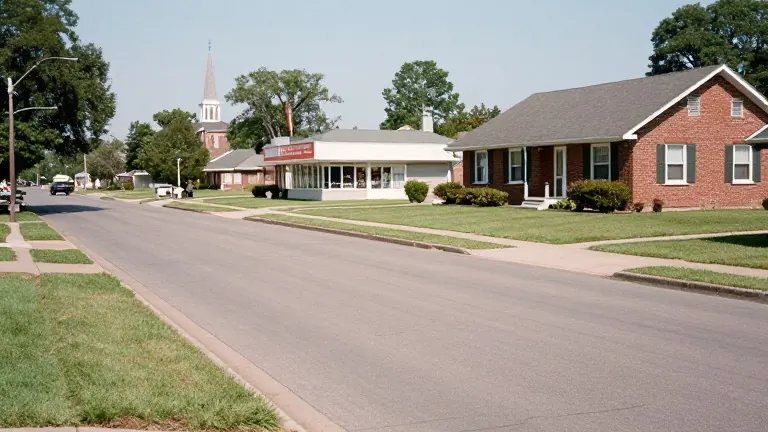
Cranston's Garden City neighborhood is one step away from federal recognition.
The Garden City Alliance, which has pushed for National Register status for seven years, held its final public meeting on November 12 at the Garden City School. Approximately 45 to 50 residents attended the session. Presenters included officials from the City of Cranston Planning Department, the Rhode Island Historical Preservation and Heritage Commission, and The Public Archaeology Laboratory, Inc. The city will oversee the nomination process.
Garden City began construction in 1946. It was designed as a "City within a City," featuring a ready-made Main Street with a pharmacy, luncheonette, salon, supermarket, hardware store, and specialty shops. A Catholic Church and school stood next to the shopping center. A public elementary school, Garden City School, was located nearby. The design allowed children to walk to school and mothers to walk to the shopping center while spouses worked.
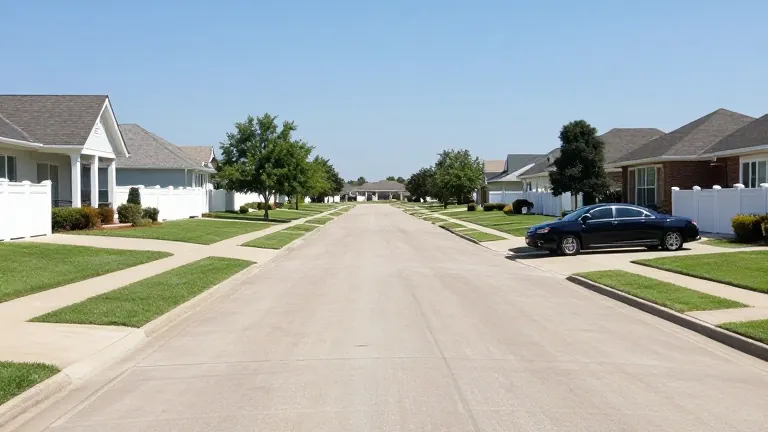
Jennifer Robinson, Preservation Services Manager for Southern New England, noted that the neighborhood shares tropes of national postwar development. She stated that the project received funding from the Federal Housing Administration. The winding, serpentine streets aligned with FHA directives. Homes were set back from concrete curbs, featuring manicured lawns and picture windows.
The nomination will not include the Garden City Center. Presenters explained that the center is no longer considered historical due to changes since 1946. The neighborhood will be the first mid-century listing in Rhode Island's National Register. The Public Archaeology Laboratory conducted initial historical surveys in 2022 and 2023. The overall area contains five different plats. Boundaries may shift as the process continues, potentially adding adjacent plats.
Cranston and Warwick contain other historic areas. Cranston's list includes Oak Lawn Village, Norwood Avenue, and six residential sections of Edgewood. These are the Aberdeen Plat, Anstis Greene Estate Plats, Arnold Farm Plat, Sally Greene Homestead Plats, Shaw Plat, and Taft Estate Plat. Cranston also has Lippitt Hill and the Furnace Hill Brook Historic and Archaeological District. Warwick's listed sites include Apponaug, Buttonwoods Beach, Forge Road, and the Warwick Civic Center. The East Greenwich Historic District extends into Warwick, which also holds the Meadows Archaeological District.