David Fincher Defends AI Usage in New Cliff Booth Film
David Fincher explained his use of AI in post-production for The Further Mis-Adventures of Cliff Booth, arguing it enhances human performance and increases efficiency on set.
By News Media House Staff ·
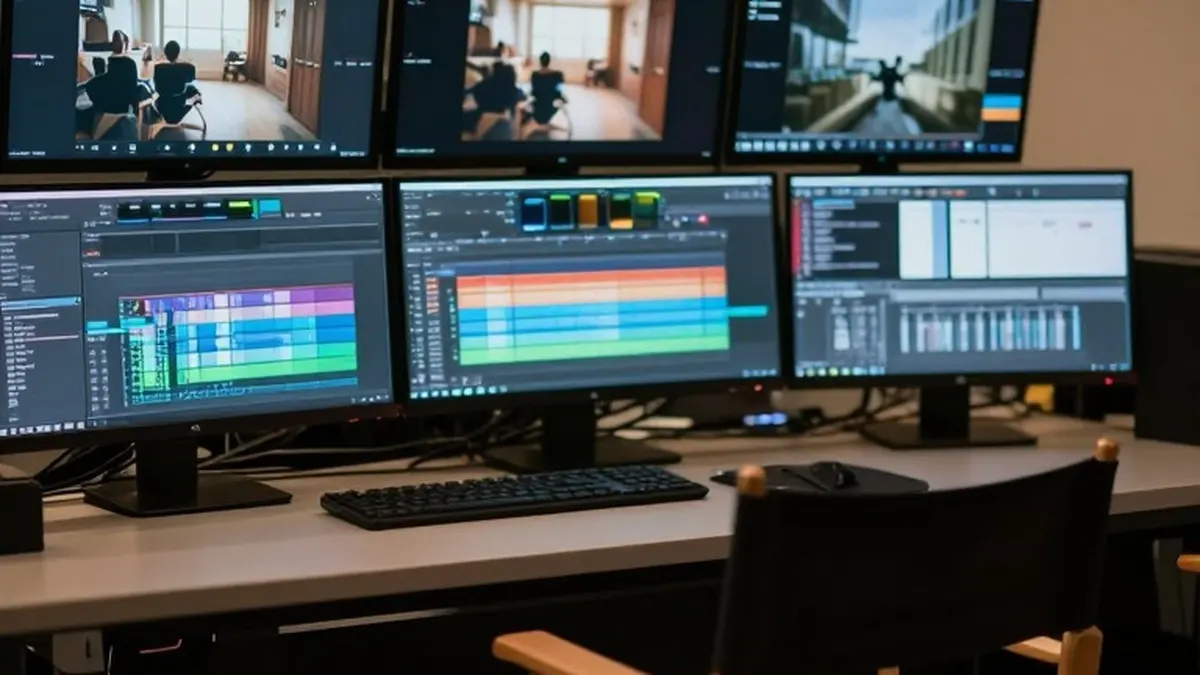
Director David Fincher disclosed in a podcast interview released on Wednesday that artificial intelligence played a role in the post-production of The Further Mis-Adventures of Cliff Booth. Speaking on The Ringer’s Big Picture podcast with host Sean Fennessey, Fincher explained that the technology was employed to enhance the performances of real actors rather than replace them.
The director noted that AI assisted in aligning the best audio take of a line with the best visual performance when the two did not naturally coincide on camera. Fincher stated that only five percent of the film utilized automated dialogue replacement, where actors re-recorded their lines in a studio over the existing footage. This process required between four and five days of work. The remaining adjustments were handled entirely by AI.
Fincher described the use of AI as liberating, comparing the filmmaking process to working with plasticine rather than chiseling marble. He explained that the team could focus on selecting the most visually and aurally compelling elements without immediately worrying about how to technically achieve the result. He acknowledged that a couple of shots did not work perfectly but expressed confidence that they would be resolved by the time the film was distributed to service.
Fennessey noted that the interview took place before public allegations regarding the use of generative AI on the film surfaced. Despite this timing, Fincher viewed AI as a tool that allows creatives to concentrate on elements technology cannot yet assist with, such as sculpting sets, painting, aging effects, and practical details like lighting and costumes. He described these tasks as the core of the artistic effort.
The director envisioned a future where production sets remain handcrafted and staffed by the same skilled personnel, but the shooting process becomes more efficient. He suggested that directors could shoot master takes multiple times to ensure perfection, reducing the need for the high volume of takes he is historically known for. He argued that AI could handle technical imperfections, such as focus issues or hair crossing an actor's face, without compromising the human element of the performance.
Fincher emphasized that the final product would still be based on real human beings and their natural movements. He stated that the physical actions of actors, such as pulling up trousers or removing coats, would remain authentic, but the number of takes required to capture these moments would decrease significantly. When asked by Fennessey if this working method appealed to him, Fincher responded affirmatively.
These comments followed reports from early screenings of the Netflix film, which opened in IMAX theaters on Wednesday. Audience members pointed out instances where generative AI appeared to create visual errors, such as a flashback scene featuring a horse carriage with two wagons. One observer described the sequel as being overshadowed by what they considered the most blatant and egregious use of AI in a studio film.
Neither Fincher nor Netflix has officially commented on these specific visual instances. However, in a previous interview with the Los Angeles Times, Fincher stated that he did not fear the emergence of AI as a filmmaking tool. He questioned why the industry should reject the technology, comparing the adaptation of new tools to the long history of painting.
He further argued that the film industry should not revert to older methods simply because they are traditional. Fincher noted that painting has existed for thousands of years, whereas cinema is only a century old, and that the ability to modify details like eye color should be embraced rather than resisted.
Netflix has demonstrated its own support for AI in the industry. The streaming service purchased Ben Affleck’s AI tool startup InterPositive for 587 million dollars in March. In August, the company revealed that more than 300 programs in its catalog had utilized some level of generative AI during the year.
Originally published by News Media House
More News · National news · Report a business · Got a Story?