Diplomatic Rift: US Revokes Visa of Belize Attorney General
Godfrey Smith, a senior legal figure and former foreign minister, confirmed the State Department cancelled his entry rights following his push to align Belize with Beijing.
By Naomi Tesfaye ·
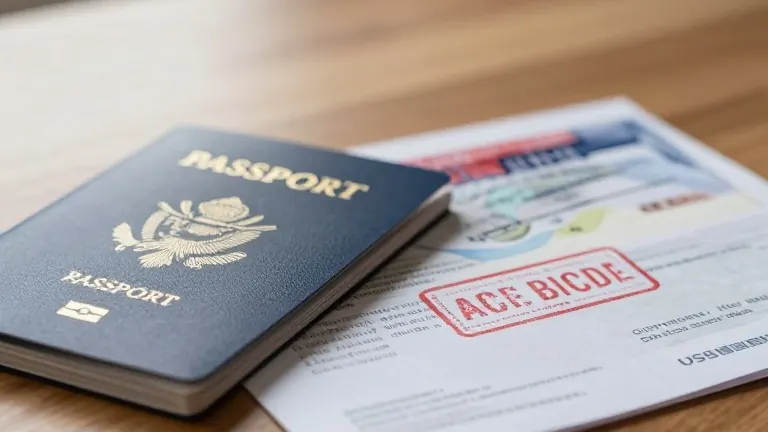
The United States State Department formally revoked the visa of Godfrey Smith, a former Belizean foreign minister and attorney general, on Monday. This action marks a direct escalation in the diplomatic contest between mainland China and Taiwan for influence in the Caribbean. Smith confirmed the news after receiving a written notice from Washington.
Smith, who has publicly advocated for Belize to switch its diplomatic recognition from Taiwan to China, stated he has no intention of reapplying. He told the Belize TV 7 news channel that the cancellation is a direct response to his recent efforts to expand Chinese ties. He argued that the current administration has explicitly stated a desire to reduce China's footprint in Latin America and the Caribbean.
The visa revocation follows similar sanctions imposed by Beijing on other regional officials. Chinese authorities recently targeted Belizean Foreign Minister Francis Fonseca and Paraguayan official Gustavo Villate. The charges accused them of violating China's sovereignty and interests while opposing separatist acts related to Taiwan independence. The penalties included travel bans and restrictions on commercial banking activities.
Smith made the announcement while chairing a commission of inquiry in Guyana. That body is investigating the sinking of a state ferry in July, an accident that claimed more than 100 lives. He noted that his advocacy work has intensified in recent weeks, including a trip to Beijing for high-level talks. He contended that Belize is wasting diplomatic energy maintaining ties with Taiwan, as most of the 15-nation Caribbean Community bloc already recognizes China.
Only five nations in the region maintain relations with Taiwan: St. Vincent, St. Kitts, Haiti, Belize, and St. Lucia. Smith said he wants Belizean citizens to witness the scale of China's economic power. He expressed hope that government authorities will soon make the decision to switch diplomatic recognition away from Taiwan.
Smith dismissed the idea of appealing the decision. He said the people of the United States indicated they do not want him in their country and that he would not beg for entry. The move fits a larger strategy by the Trump administration to limit Chinese influence in the hemisphere. Washington has brought in major American investment firms to bid for regional projects and is using the Exim Bank to attract borrowers, aiming to counter similar initiatives by Chinese state banks.
Smith remains in a senior legal role in Belize despite the loss of his US visa. He plans to continue his duties without the document. The State Department's decision places a senior Belizean official at the center of the geopolitical struggle for diplomatic recognition in the Western Hemisphere.