IEA warns Middle East conflict is biggest energy threat in history
The International Energy Agency stated that the disruption of oil flows in the Strait of Hormuz has created an unprecedented risk to global energy security, with consumers facing rising costs.
By News Media House Staff ·
The International Energy Agency issued a stark warning on Thursday, declaring that the ongoing crisis in the Middle East represents the most significant threat to global energy security in recorded history. In its annual World Energy Outlook report, the agency highlighted how the conflict, which began in February following strikes by the United States and Israel on Iran, has severely destabilized supply chains.
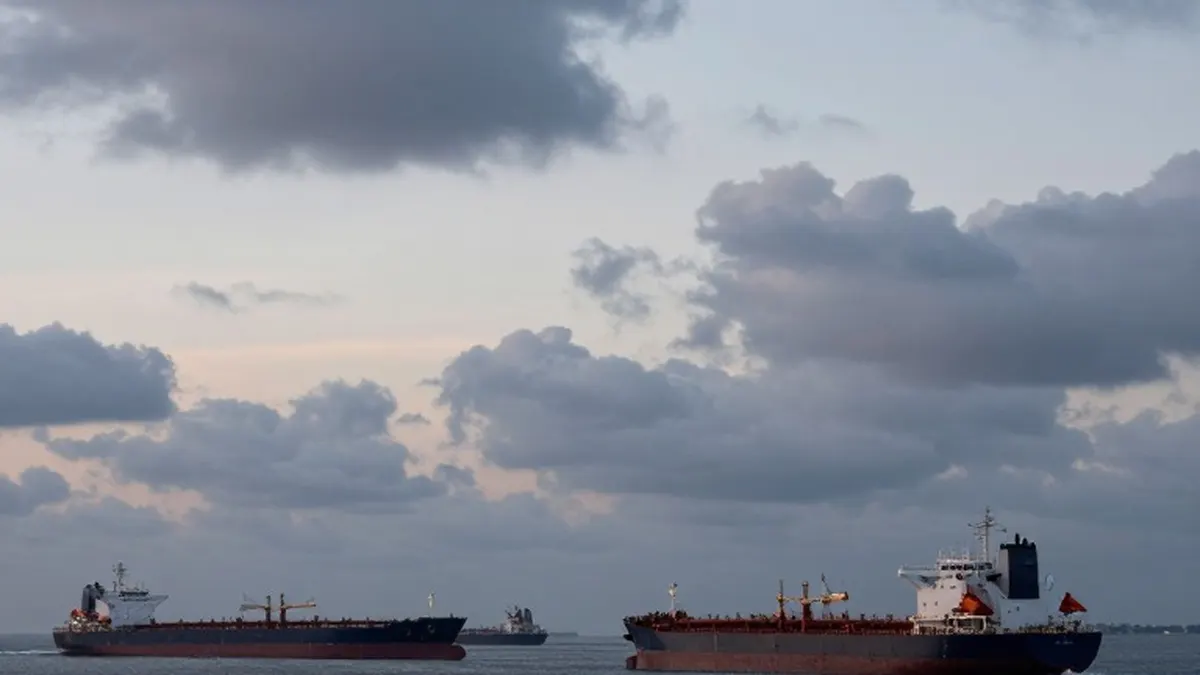
The primary driver of this instability is Iran's blockade of the Strait of Hormuz, a critical waterway that previously handled approximately one fifth of all global oil shipments. Since the conflict erupted, Iranian forces have targeted tankers in the area, making it difficult for Gulf nations to export their crude oil. Although the United States has attempted to escort vessels through the channel, supply lines remain heavily disrupted.
Fatih Birol, the executive director of the IEA, wrote in the foreword of the report that the current situation dwarfs the oil shocks of the 1970s. He noted that while previous energy crises left lasting marks on the global economy, the scale of the current disruption is without precedent. The agency warned that the world is running out of mechanisms to absorb the impact of the conflict on energy supplies.
As buffers are depleted, the financial burden is increasingly shifting to consumers. Birol stated that while governments have intervened to protect households by encouraging producing nations to bring more supplies to market and utilizing alternative routes, these measures have not fully shielded buyers. In many regions, consumers are facing higher prices and, in some cases, actual shortfalls in supply.
China has also played a role in adjusting to the new market reality by purchasing less oil from international markets. This shift is part of a broader effort by various countries to mitigate the effects of the blockade. However, the IEA noted that these adjustments are becoming less effective as the crisis persists.
The release of this report coincides with the COP31 climate talks currently taking place in Turkey. Governments attending the summit are under increased pressure to address climate change, a challenge compounded by a year of extreme weather events. These included severe heatwaves and wildfires across Europe, as well as deadly floods in Nepal.
The IEA utilizes three standard scenarios for its energy outlook. The first assumes current policies remain in place, the second includes stated government policies that have not yet been adopted, and the third envisions a world achieving net zero emissions by 2050. For this specific report, the agency added two additional scenarios to account for the potential prolongation of the Middle East crisis.
Under the middle scenario, which considers adopted and stated policies, the IEA forecasts that global oil demand will peak around 2030 before entering a slow decline. Gas demand is expected to continue rising until approximately 2035. These projections provide a baseline for understanding how the energy sector might evolve in the coming decades.
Despite the resilience shown by the energy sector and the global economy, Birol expressed concern about the long term effects of the conflict. He stated that the longer the crisis continues, the deeper the impact will be on global markets. The agency emphasized that the current situation is fundamentally altering the landscape of energy trade and consumption.
In a press release accompanying the report, Birol struck a serious tone regarding the future of the energy sector. He stated that he does not see a credible pathway for the energy world to return to its pre crisis state. This assessment marks a shift from his comments in July, when he suggested that the oil market still benefited from several cushioning factors that are now largely exhausted.
Originally published by News Media House