Trinidad abstains from UN vote supporting International Criminal Court
The Caribbean nation breaks from its historical backing of the court, aligning with 35 other abstaining countries while the United States votes against the resolution.
By Naomi Tesfaye ·
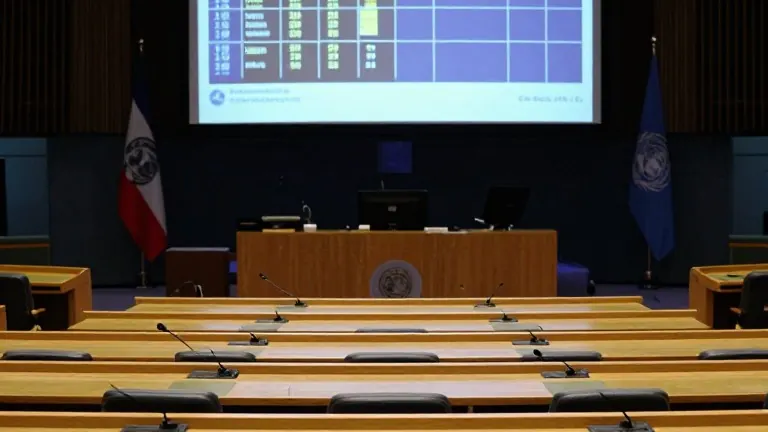
Trinidad and Tobago abstained from a United Nations resolution supporting the International Criminal Court this week. This marks the first time the country has failed to vote in favor of a major action by the body. The vote took place less than two weeks after Trinidad joined the United States and other nations in voting against the lifting of the economic embargo on Cuba.
The resolution concerned an annual report on the court's work in monitoring war crimes. The court was established more than 20 years ago. Arthur Robinson, a former president and prime minister of Trinidad and Tobago, was one of its early judges. He was widely credited for the advocacy that led to the court's creation. Robinson died more than a decade ago.
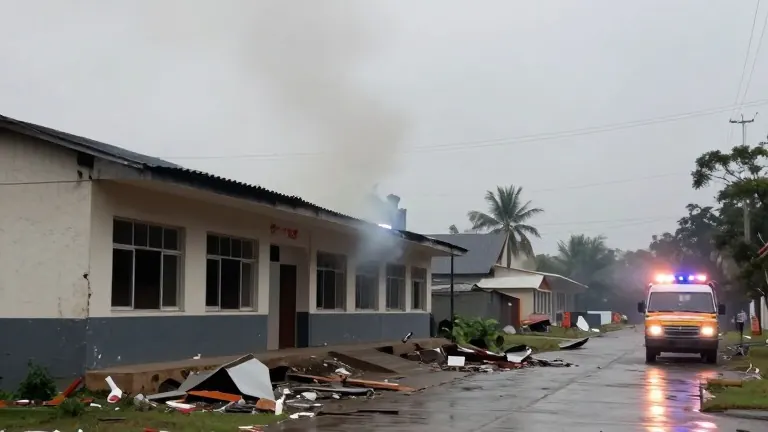
The United States has led a campaign to undermine the court. Washington fears that top defense officials and soldiers could face war crimes trials for overseas military actions. One such action was the fatal bombing of a school in Iran earlier this year, which killed dozens of children. The US argues the court lacks authority to charge its military personnel. To date, the US has sanctioned nearly 20 ICC judges.
In the UN vote, 93 countries voted for the resolution. Thirteen countries voted against, including the United States, Russia, Argentina, and Israel. Thirty-six countries abstained, a group that included Trinidad. Before this week, Trinidad's support for the ICC was considered a foregone conclusion due to its strong historical links to the court's establishment.
Neighboring Caribbean nations took varying stances. Guyana and Barbados voted for the resolution. Jamaica, Antigua, and Dominica were not present when the roll call occurred. Antigua and Dominica have faced pressure from Washington to comply with political requests, including accepting large numbers of non-national deportees. The US State Department has imposed severe restrictions on tourist visas for nationals of those two countries. Reports indicated that no such visas were issued to applicants from Antigua and Dominica up to earlier this year.