UN peacekeepers withdraw from Western Sahara after 35 years amid Security Council deadlock
A veto by Russia and a failed extension vote abruptly ended the mandate for MINURSO, leaving a disputed desert region without an international monitoring force.
By Julia Wang ·
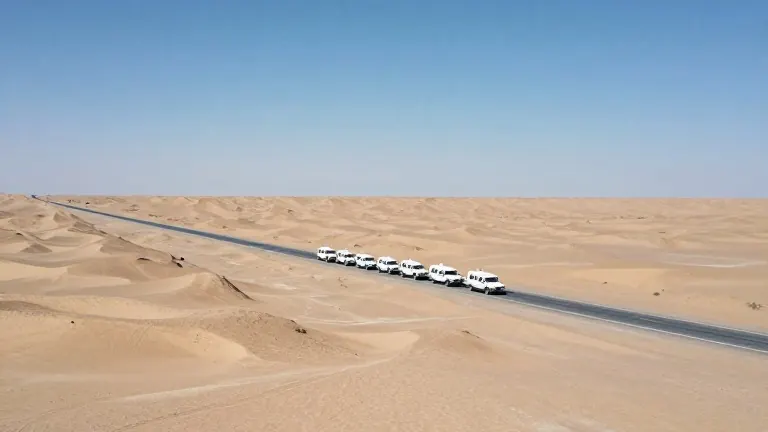
The United Nations peacekeeping mission in Western Sahara ended operations on Sunday, November 1, 2026. This marked the conclusion of a 35-year deployment that began in 1991 to monitor a ceasefire and a promised referendum that never took place. The withdrawal follows a procedural standoff at the U.N. Security Council that left the force without a renewed mandate.
Stéphane Dujarric, the spokesperson for the U.N. secretary general, announced the start of the liquidation period in a statement. A smaller team under the Department of Operational Support will now manage the transfer of assets to troop-contributing nations and the disposal of U.N. equipment. The mission was authorized to deploy 534 personnel, with Egypt, Ghana, and Pakistan providing the largest military contingents. The budget for the 2026-2027 cycle exceeded $62 million.
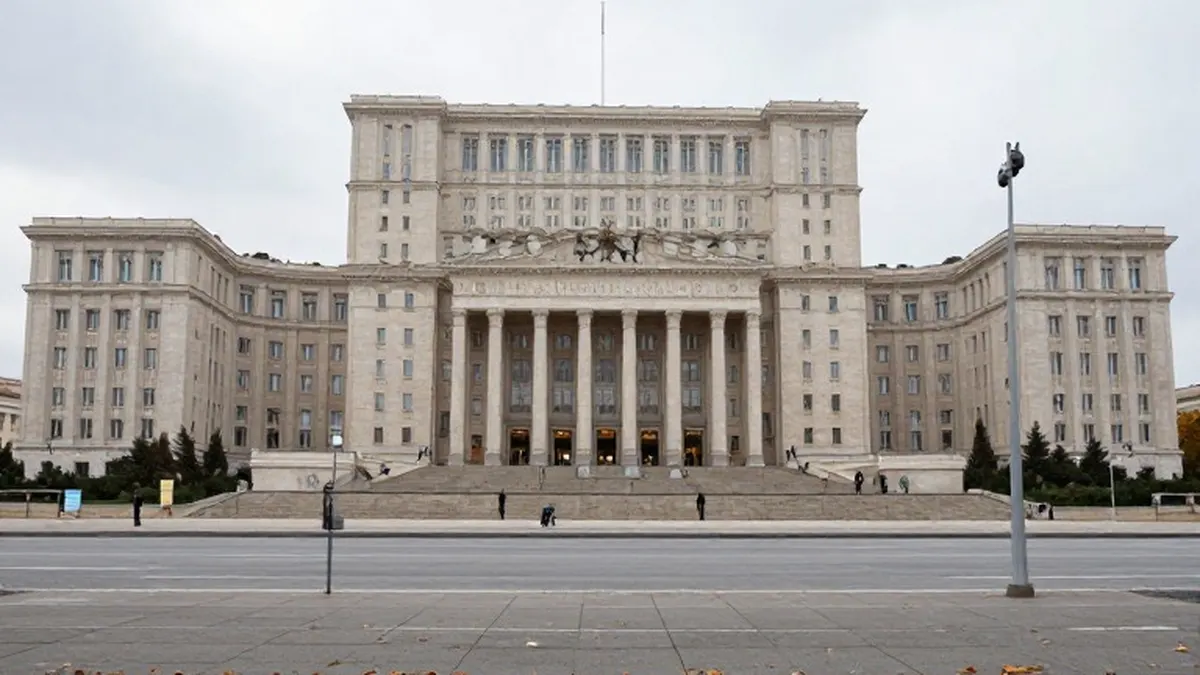
The abrupt end resulted from conflicting votes in New York on Friday. Russia vetoed a U.S. draft resolution that supported Morocco’s claim to sovereignty and proposed ending the mission next year. A subsequent Russian draft to extend the mission was voted down. The failure to agree on a path forward caused the current mandate to expire immediately rather than continue until the following year.
Morocco’s royal palace welcomed the non-renewal, describing the peacekeeping presence as an instrument that internationalized the dispute. Rabat has long sought full sovereignty over the territory, which it administers except for a narrow strip east of a sand wall. The kingdom considers the region its southern provinces and has secured support from Western capitals including Washington, Paris, and London.
The Polisario Front, the pro-independence movement backed by Algeria, labeled the decision unacceptable. The Algerian foreign ministry expressed profound regret over the mandate’s expiration and criticized the U.S. draft for excessive bias. Algeria hosts Polisario refugee camps in Tindouf and views Moroccan control as a diplomatic defeat. The two nations severed diplomatic ties in 2021, and the loss of the U.N. force may strain their relationship further.
Western Sahara is a desert territory roughly the size of Colorado, rich in minerals and fisheries. It has been the site of Africa’s longest-running territorial dispute since Spain ceded control in 1975. An armed conflict following the annexation lasted more than 15 years and killed over 16,000 people, according to the French Senate. The U.N. classifies the area as a non-self-governing territory, while critics of Moroccan rule call it Africa’s last colony.
Tensions have persisted since the Polisario withdrew from the 1991 ceasefire in 2020. The U.N. reported low-intensity hostilities and security risks in the territory last month. Dujarric stated that the secretary general calls for maximum restraint and concern regarding the potential for escalation. Twenty personnel lost their lives during the mission’s 35-year history.
The original settlement plan included a referendum on self-determination with independence as an option. The vote stalled over voter eligibility rules. Morocco wanted to include Sahrawis living in the territory it controls, while the Polisario insisted on using Spain’s colonial census to prevent a tilt toward integration. This disagreement blocked the vote for decades until the mandate lapsed this week.
Source: Central Florida Public Media