Grenada Cites Trevelyan Family Fund as Model for Reparatory Justice
Caribbean advocates point to a private family’s £100,000 pledge as a practical alternative to state-level payments ahead of a Commonwealth summit.
By Julia Wang ·
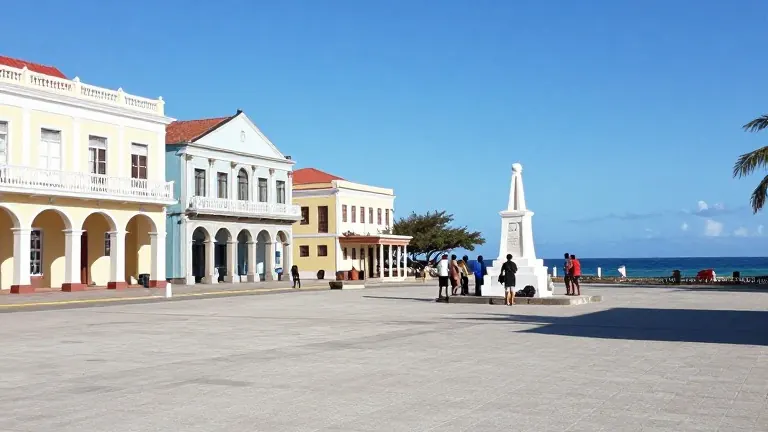
Caribbean campaigners are using a private family’s financial pledge in Grenada to illustrate how reparatory justice can function in practice.
The Trevelyan fund has provided bursaries and scholarships to more than 50 students in Grenada, according to the Grenada National Reparations Committee. This support stems from a £100,000 ($134,000) pledge made in 2023 by British journalist Laura Trevelyan. Her ancestors owned plantations on the island, and she traveled to Grenada to apologize for that role in colonial slavery.
Trevelyan, a former BBC correspondent, said her family researched their history and worked with local historians and advocates before making the public apology. She expressed hope that the British government and royal family would move beyond verbal acknowledgments to address current legacies. Specifically, she asked for partnerships to build climate-resilient infrastructure in the Caribbean as a way to repay the debt from the slavery period.
Nicole Philip, vice-chair of Grenada’s National Reparations Committee, argued that if a single family can apologize and make payments, the British government and royal family should be able to do the same. "If a family can come forward, apologise, and make reparations payments, why not the British government?" she said. "Why not the royal family?"
Commonwealth leaders will gather in Antigua and Barbuda this week for a summit focused on slavery and reparatory justice. King Charles is expected to deliver a speech on Tuesday. Former colonial powers have historically been hesitant to agree to monetary reparations, citing questions about who should pay and who should benefit. From the 15th to the 19th century, Britain transported an estimated 3.2 million people across the Atlantic, according to the Trans-Atlantic Slave Trade Database.
British Prime Minister Andy Burnham is attending the summit. In a recent article, he stated he is open to a formal apology but believes British people today cannot be held liable for historical wrongs that occurred under different laws. He proposed a new drive on debt to help vulnerable countries repay loans over a longer time period with better rates. Campaigners suggest that reparations should include education, healthcare, climate resilience, and debt relief, not just cash payments.
Source: KELO