Wyoming Voters Decide Governor, House Seat, and Property Tax Relief
The state holds elections for top offices and a ballot measure that would exempt half of primary residence values from local taxation.
By Naomi Tesfaye ·
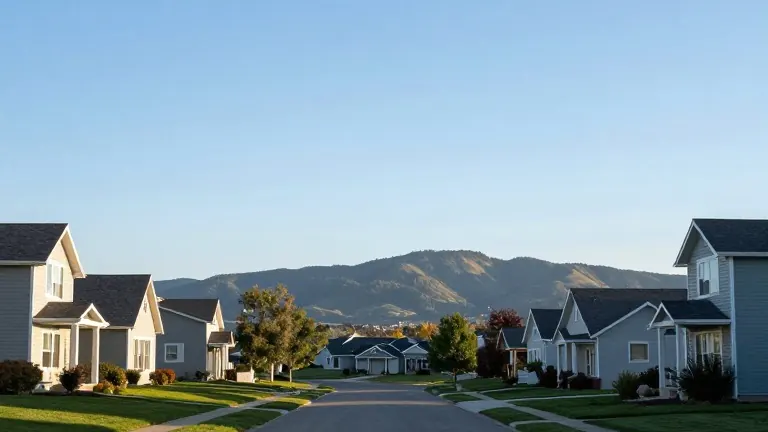
Wyoming voters head to the polls on Tuesday to choose a new governor, select their U.S. House representative, and decide on a major change to local property taxes. The election features high stakes for state leadership and a direct vote on the cost of living for homeowners.
The gubernatorial race pits Republican Eric Barlow against Democrat Ken Casner and Constitution Party candidate Rebecca Bextel. Barlow, a veterinarian from Gillette, served as Speaker of the Wyoming House before moving to the Senate. His campaign describes him as a common-sense conservative focused on service. Casner has run a low-profile campaign with no paid advertising. Bextel, a Jackson businesswoman from Alabama, has spent a record amount on paid ads for a third-party candidate in the state.
Bextel positions herself as a conservative alternative to Barlow, whom she labels a Republican in name only. Her campaign targets voters who supported Brent Bien and Megan Degenfelder in the August 18 primary. Those two candidates finished behind Barlow but together outpolled him. Bextel previously faced scrutiny in the Checkgate scandal in February, when she was photographed handing out $1,500 checks to lawmakers on the House floor. A House committee found no criminal wrongdoing but passed new rules to prevent similar actions.
In the race for Congress, Secretary of State Chuck Gray faces Democrat Lisa Kinney, Libertarian Shawn Johnson, and Constitution Party candidate Jeff Haggit. Gray is considered the favorite in a state that has not elected a Democrat to Congress since 1976. He secured the Republican nomination in a field of nine with roughly 25 percent of the vote. While the current congressional delegation endorsed Gray, Governor Mark Gordon did not support any candidate in the race.
Proposition 1 proposes a homeowner exemption that would remove 50 percent of a primary residence's assessed value from property taxation. The exemption applies to one property per person and excludes rental or business properties. Local property taxes fund schools, fire districts, and road maintenance, not state government programs. Statewide property taxes have risen by an average of 73 percent since 2019.
Supporters argue the measure provides necessary relief from rising costs and that local governments can operate effectively with less revenue. Opponents warn the change could cost local budgets up to $125 million annually, harming public safety and schools. They contend the state may need to introduce an income tax to replace the lost money, a prospect that is deeply unpopular in Wyoming.