2,500 Salvadoran troops deployed to Haiti ahead of February election
President Nayib Bukele’s military operation faces scrutiny from allies and analysts as approval ratings remain above 90 percent.
By Naomi Tesfaye ·
Salvadoran forces have deployed 2,500 soldiers to Haiti in a bid to curb gang violence, a move that has drawn fresh attention to President Nayib Bukele’s domestic political standing ahead of the February vote.
The military operation began in mid-October after four Salvadoran aviation technicians working with a United Nations-backed mission disappeared during a gang attack. Since then, the government has sent troops to the Caribbean nation with limited public oversight or transparency.
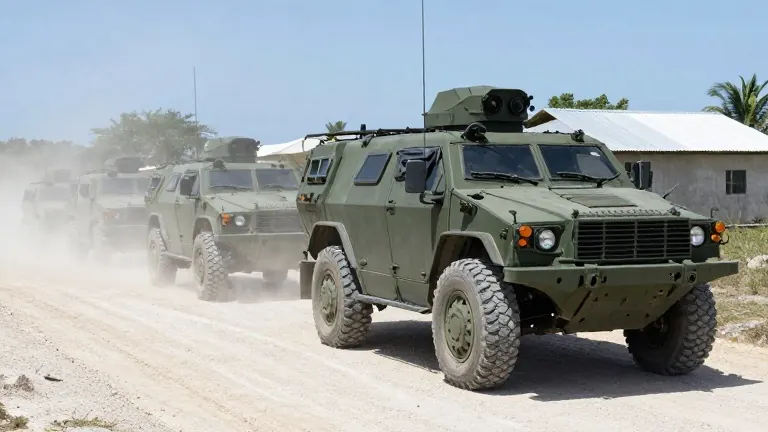
Videos of armored vehicles moving through streets and helicopters bombing a gang leader’s home have spread across social media. Pro-government influencers and officials have used the footage to promote the message that Haiti will soon be free from gang control.
Salvadoran political communication strategist Roberto Dubon described the effort as an open electoral campaign. He said the administration is presenting Bukele as a superhero and using Haiti as a laboratory to test its policies on an international scale.
The deployment comes as Bukele prepares for the February presidential election. Polls show his approval rating remains well above 90 percent, a level of support largely driven by his tough stance on gangs in El Salvador.
However, democratic concerns persist after the legislature moved the election date from 2029 to 2027 and removed presidential term limits. These changes allow Bukele to remain in power indefinitely if he wins.
Security consultant Luis Enrique Amaya said the Haiti operation offers Bukele a way to remind voters of his security achievements. Amaya stated that Bukele will not allow any loss of popularity or legitimacy, not even a single vote, before the election.
International allies have reacted cautiously to the mission. On Monday, U.S. Secretary of State Marco Rubio said the United States is not actively involved in the Salvadoran offensive. He expressed support for the UN-backed gang suppression force, a group that does not include El Salvador, and noted there is no Plan B for the operation.
Human rights group Amnesty International asked both governments to publicly release the agreement allowing the troop entry. The organization warned that the operations could worsen violence and affect civilians if international human rights law is not strictly followed.
Analysts question whether Bukele can replicate his success in Haiti. In El Salvador, his government weakened two major gangs by suspending constitutional rights and detaining more than 1 percent of the population. In Haiti, roughly two dozen gangs operate in Port-au-Prince, with dozens more active elsewhere.
Haitian gangs are better armed and deeply connected to parts of the political elite, making the conflict more complex than the one in El Salvador. Tiziano Breda, an analyst at the Armed Conflict Location and Event Data project, suggested Bukele may seek quick symbolic victories before withdrawing troops.
The cost of the overseas operation is being borne by the Salvadoran government. Breda warned that these expenses could fuel resentment in El Salvador, where one in four people lives in poverty. Diego Da Rin of the International Crisis Group added that the drive for quick wins poses significant risks to civilians caught in crossfire.