Algerian Chamber Ratifies Sendoff of Forces to Shield Sonatrach Fields in Niger
The People's National Assembly approved sending forces to protect Sonatrach oil facilities, marking a shift from Algeria's long-standing noninterventionist policy.
By Julia Wang ·
Algeria's People's National Assembly ratified a proposal to deploy troops to neighboring Niger on Sunday. This action follows a unanimous vote in the upper house, the Council of the Nation, earlier that day. The move represents a departure from the North African nation's traditional military doctrine of nonintervention.
Officials have not yet disclosed the specific number of soldiers involved or a timeline for the deployment. The decision arrives roughly two months after Algeria sent four Russian-made Sukhoi Su-30 jets, a transport plane, and an aerial refueling aircraft to Niamey. Algerian authorities described that earlier dispatch as a response to an attempted destabilization of Niger's military-led government.
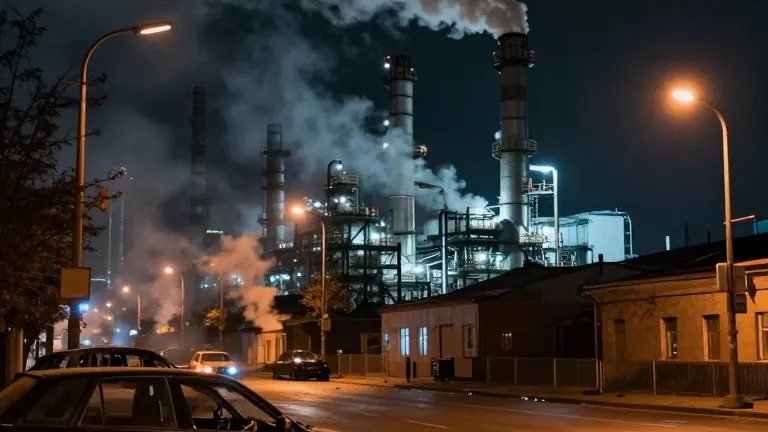
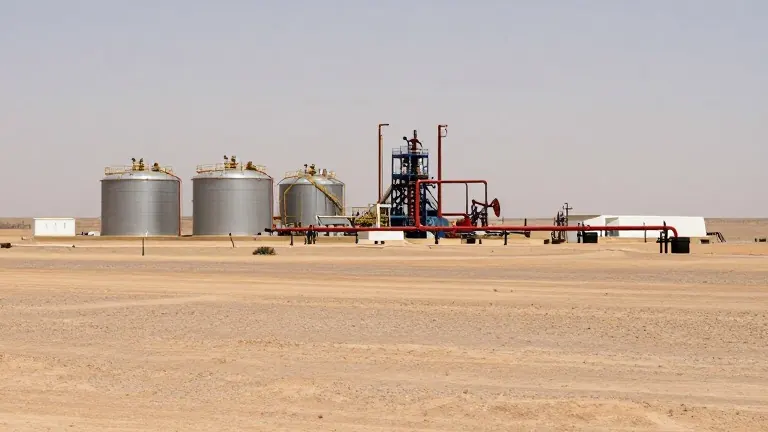
The deployment aims to secure economic interests, specifically oil installations owned by Sonatrach, Algeria's state-owned energy company. The Associated Press reported that Senator Belkacem Boulghiti stated troops would go to protect Algeria's strategic assets. Boulghiti told reporters after the vote that the mission is to secure economic infrastructure, not to wage war. He described the move as an adaptation of doctrine to new challenges in the Sahel region.
This military step follows a thaw in relations between Algiers and Niamey. Niger's President Abdourahamane Tchiani visited Algeria in February. Several months later, his defense minister, Salifou Mody, traveled to Algiers to discuss security cooperation. Prior to this warming, ties were strained by the shooting down of a Malian drone by Algerian forces in April. That incident led Niger, Mali, and Burkina Faso to recall their ambassadors from Algiers.
Algeria's military capabilities are substantial. The Stockholm International Peace Research Institute reported that the country spent more than $25 billion on its armed forces in 2025. This makes Algeria the largest military spender in Africa. A constitutional revision in 2020 formalized the process for overseas deployments. Article 91 allows the president to authorize such missions if they receive the support of at least two-thirds of members in both parliamentary chambers.
Regional dynamics have shifted significantly in the Sahel. France withdrew its troops from Mali in August 2022, Burkina Faso in February 2023, and Niger in December 2023. Niger demanded the departure of about 1,500 French soldiers following its July 2023 coup. Russia has filled some of the vacuum. In April 2024, approximately 100 Russian military personnel arrived in Niamey. They are associated with the Africa Corps, a paramilitary group linked to the Kremlin.
The United States also reduced its presence. In 2024, Washington withdrew about 1,000 soldiers from Niger after the military government ended a security cooperation agreement. This withdrawal included personnel stationed at a drone base near Agadez. These changes have reshaped security partnerships in the region.
Algeria shares long borders with Mali, Niger, and Libya. Instability in these neighbors has direct consequences for Algiers. The current security crisis has roots in the 2011 collapse of Muammar Gaddafi's government in Libya. After Gaddafi's overthrow, weapons and fighters spread into neighboring countries. This helped fuel a rebellion in northern Mali in 2012, leading to a security crisis and the military overthrow of President Amadou Toumani Toure.
Since 2012, Mali, Burkina Faso, and Niger have experienced six military coups. Three occurred in Mali, two in Burkina Faso, and one in Niger. Military leaders often cited deteriorating security and civilian government failures to justify their seizures of power. Algeria had warned against foreign military intervention in Libya during the Arab Spring, anticipating that the state's disintegration could destabilize its southern neighbors.
The deployment also fits into Algeria's broader diplomatic maneuvers. In September, Algeria severed ties with the United Arab Emirates. Algiers accused Abu Dhabi of hostile and provocative actions without detailing specific incidents. The two countries have long disagreed on Western Sahara and regional interference. The troop deployment to Niger positions Algeria to assert security interests beyond its borders while maintaining its emphasis on sovereignty.
Source: Al Jazeera