Survivor describes being trapped under rubble after missile strike killed colleague
Zeinab Faraj recounts the moments her car was hit while fleeing drones in southern Lebanon on April 22.
By Naomi Tesfaye ·
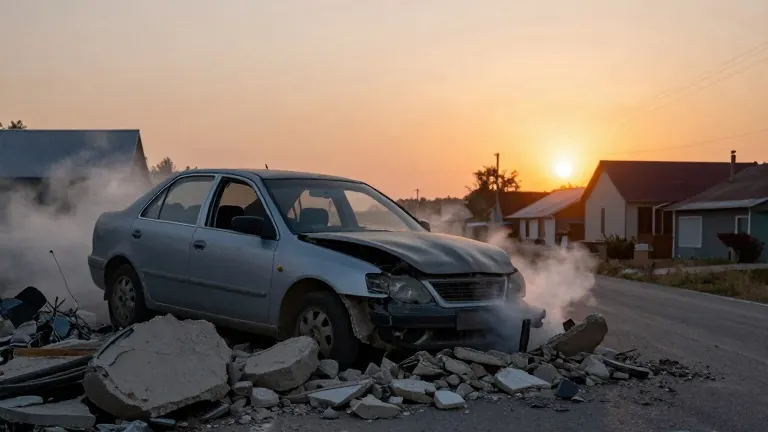
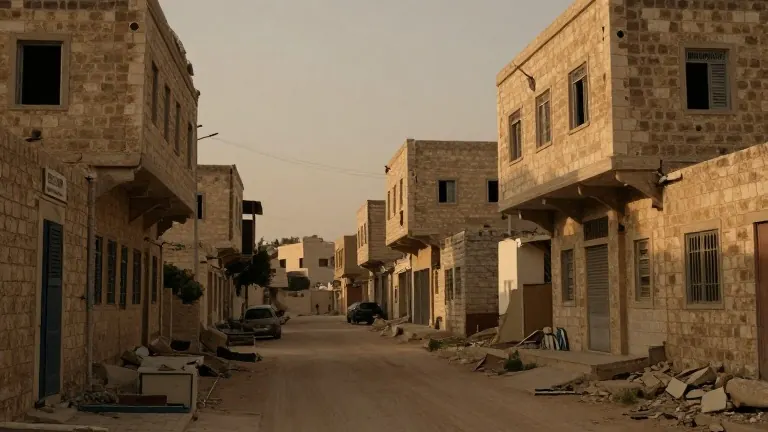
Zeinab Faraj was trapped under rubble for several minutes after a missile struck the car she shared with colleague Amal Khalil on April 22. Faraj, 21, survived the impact, but Khalil, 42, died approximately an hour after paramedics reached the scene. The attack occurred in the village of al-Tiri in southern Lebanon, just weeks after an Israeli ceasefire took effect.
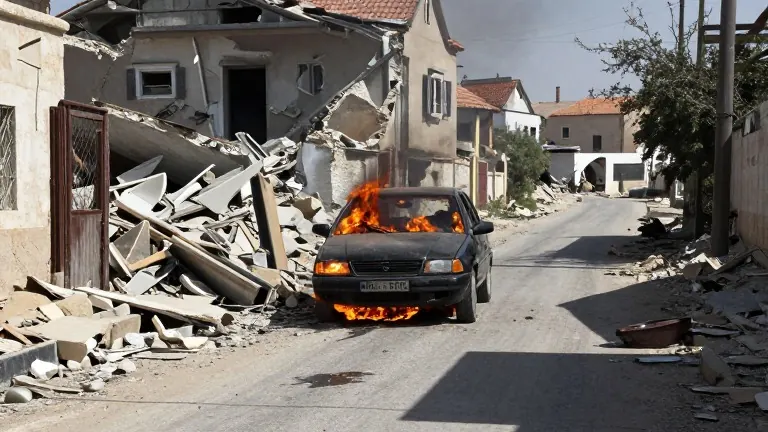
Faraj and Khalil had planned a routine trip to document the aftermath of recent airstrikes in the region. They were joined by Ali Nabil Bazzi, 27, a municipal official, and Mohammed Hourani, 37, a friend of the mayor. As they drove through al-Tiri, the vehicle was hit by a missile. Faraj stated she did not hear the missile before the impact, only hearing Khalil scream and seeing the car ahead engulfed in flames. Both women exited the vehicle and assessed the casualties.
Drones arrived shortly after the initial strike, flying at low altitudes near the women. Emergency services advised the pair to drive back up the road because ambulances were blocked from reaching their position. As they attempted to re-enter the vehicle, a second missile struck the car, throwing both occupants backward. Khalil wrapped her arms around Faraj, hoping the drones would assume they were dead. They took shelter in a nearby house where Khalil sustained bleeding on her face, hand, and leg.
Faraj sent a final text message to her sister stating, "There's no hope left. Forgive me," before her phone lost power. While waiting for rescue, a drone dropped sharply toward her, causing her heart to stop momentarily. A subsequent missile impact left her buried under debris. A paramedic held her by the shoulders as a second worker cleared the rubble. They extracted her while drones continued to circle, and she reported that a stun grenade was dropped during the rescue.
The Israeli military announced it had identified saboteurs violating the ceasefire agreement. Human rights organizations characterized the attack as a war crime, noting that the military received repeated requests to allow a rescue team to enter the area while the women sheltered. A military spokesperson had previously labeled Khalil "terrorist media" on social media, and she had received death threats from Israeli phone numbers in the days prior to the strike.
Faraj is currently returning to university to complete her degree in radio and TV. She continues to experience physical injuries, including a damaged hand and facial trauma that affects her eyebrow. She reports waking at night screaming and feeling anxious when hearing aircraft. Whether she will return to frontline journalism remains undecided. She frequently recalls the image of Hourani on the ground with his eyes open.
Source: The Guardian