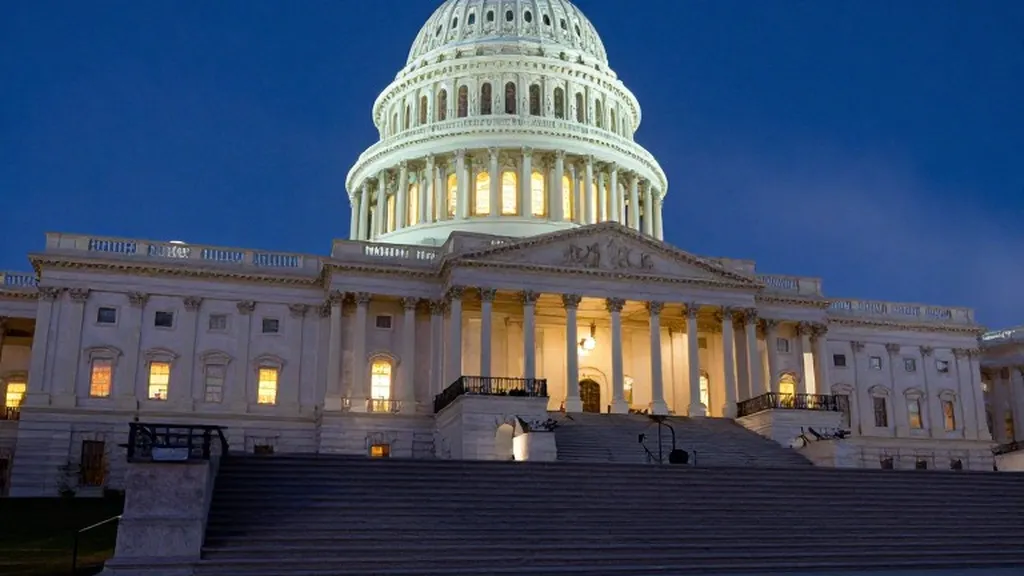
Democratic Senate Control Reshapes Supreme Court Strategy
A 2028 liberal majority now looks possible, prompting a rethink of court-packing proposals and confirmation norms.
By Julia Wang ·
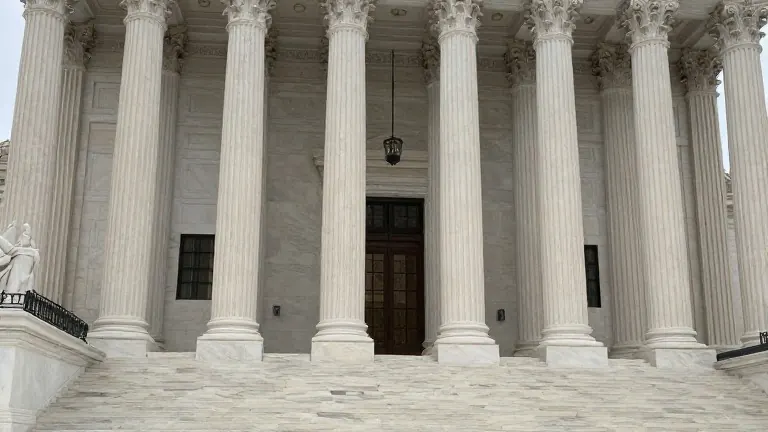
The shift in Senate control forces Democrats to confront a stark choice about the Supreme Court. With a Democratic majority secured, the party now holds the power to block any presidential nominee. This structural advantage also opens the door to a potential ideological flip in the court’s balance.
The current 6-3 conservative bench could become a 5-4 liberal court. This outcome requires two specific conditions. Democrats must win the presidency in 2028. They must also retain their majority in the Senate. If both occur, the party can replace conservative justices with liberal appointees.
The path to this moment began with a precedent set in 2016. Justice Antonin Scalia died on Feb. 13, 2016, during the Obama administration. President Obama nominated Judge Merrick Garland to the seat. The Republican-led Senate refused to hold a vote on the nominee. The court operated with eight justices for the remainder of that term.
President Trump later nominated Justice Neil Gorsuch. The Senate confirmed him less than three months after the inauguration. That sequence of events altered the unwritten rules of the confirmation process. The precedent established that a Senate controlled by the opposing party can withhold consent without penalty.
Democratic anger over the court’s recent rulings makes a similar strategy likely. The party now views blocking a Trump nominee as a logical step. This approach would hold the seat open until a Democratic president can fill it. The Constitution does not require the Senate to confirm any specific nominee. It also does not mandate a fixed number of justices on the bench.
These constitutional gaps allow for drastic measures. The court could theoretically shrink if the Senate blocks nominees repeatedly. Democrats might decide the political cost of confirming a Republican is higher than the cost of leaving a seat empty. This calculation shifts the focus from immediate judicial balance to long-term institutional control.
Proposals to add justices or strip the court of jurisdiction now appear less urgent. Packing the court undermines the legitimacy of the institution if Democrats are close to capturing it. The party must weigh these options against the risk of damaging the court’s standing. The next critical deadline is the 2028 presidential election, which will determine if the liberal majority materializes.