Dental Forms Expose 11 Million Undiagnosed Diabetics
40.1 million Americans live with diabetes, and 11 million do not know it.
By Julia Wang ·
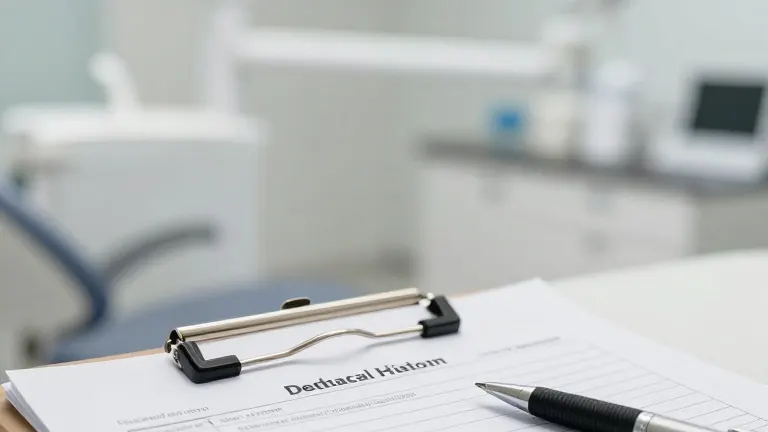
Dental practices in New York City rely on a short medical history form to catch health issues that affect oral care. Many patients complete the document in under two minutes, often assuming it is irrelevant to their teeth. Dan Rose, a senior local business guide who covers dental services in New York City, notes that the form is the most consequential piece of paper in a dental office. The speed of completion does not match the impact the information has on treatment.
The connection between the mouth and the rest of the body is direct. General conditions often appear in the gums before they are diagnosed elsewhere. Diabetes is the clearest example. High blood sugar impairs healing and weakens the immune response. This leads to gums that bleed more than expected or respond poorly to standard treatment. A dentist is not a medical diagnostician, but unusual mouth behavior can signal a need for a physician’s review.
Data from the Centers for Disease Control and Prevention supports the need for these checks. The agency's National Diabetes Statistics Report using 2023 data states that 40.1 million people in the United States have diabetes. That figure represents 12 percent of the population. Only 29.1 million of those individuals have been diagnosed. This leaves 11 million people with the condition who do not know they have it. The CDC estimates that 27.6 percent of adults with diabetes are undiagnosed. Additionally, 115.2 million American adults have prediabetes.
Because so many conditions go undetected, patients cannot simply write nothing relevant on their forms. A condition that has not been diagnosed cannot be declared. Dentists often ask about symptoms rather than just diagnoses to catch these gaps. This approach helps identify issues that patients may not associate with their oral health.
The information on the form changes four specific aspects of care. First, it determines if a procedure can proceed on the scheduled day. Certain conditions or medications require a different sequence of treatment or a different type of anesthetic. Sometimes, a dentist must consult with a physician before performing surgery. Second, the form influences how long healing is expected to take. Standard healing times may not apply to patients with slower recovery rates. The treatment plan adjusts the schedule to match the patient's physiology. Third, the information dictates how often a patient returns for check-ups. Several conditions require shorter intervals between visits. This is not a sales tactic; it matches the appointment frequency to the patient's risk level. Fourth, the form triggers communication between clinicians. A short note between a dentist and a doctor managing a long-term condition improves both treatment plans. This coordination only happens if the dentist has the necessary information.
Patients often make four common errors when filling out the form. They may fill it out once years ago and assume it remains current. Diagnoses and medications change over time, making old information inaccurate. Patients should mention any new changes at the start of an appointment. They often omit over-the-counter medicines and supplements. These items can affect bleeding and healing in the same way prescriptions do. Some patients leave boxes empty because their condition is controlled. A managed condition is different from an absent one. Finally, forms rarely ask about specific symptoms like unusual thirst, fatigue, or slow healing from small cuts. Patients should mention these unprompted, especially if their gums are not responding to treatment.
Patients should bring a current list of all medications, including prescription and non-prescription items. They should include any diagnosis made since their last visit, even if it seems unrelated to dental health. Recent blood test results are helpful for conditions under active management. The name of the doctor managing any long-term condition is also essential. This detail takes only seconds to provide and enables coordination between providers.
These factors matter most for treatments that depend on months of healing. Implants are a prime example. The biological work continues long after the appointment ends. This gives conditions that affect healing a long window to impact the outcome. Pure Arts Dental Care in Rego Park, Queens, takes a full medical history as part of its assessments. The practice coordinates with clinicians managing long-term conditions. The office is located at 98-71 Queens Blvd, Rego Park, NY 11374. It is open Monday through Friday from 9:00 a.m. to 5:00 p.m. Patients can call (718) 437-7777 or use the practice website to arrange a visit. They should bring their current medication list to the appointment.