Greenwich Magistrate Challenges Traffic Camera Plan
Karen Fassuliotis argues visible police patrols, not automated systems, should enforce local traffic laws.
By Adrian Kovalenko ·
Residents of Greenwich face a return to automated traffic enforcement after the state approved the town’s reinstatement plan. The cameras had previously been suspended due to procedural errors. The town is currently defending a class action lawsuit related to the program. Magistrate Karen Fassuliotis, who recently joined the bench, is urging local leaders to pause the rollout.
Fassuliotis directed an open letter to Police Commissioner Camillo and Chief of Police Heavey. She stated that the new approval raises questions about the effectiveness of the current approach. She believes the town is focusing on a narrow category of violations at fixed locations. She argues this strategy ignores the wider patterns of dangerous driving across the municipality.
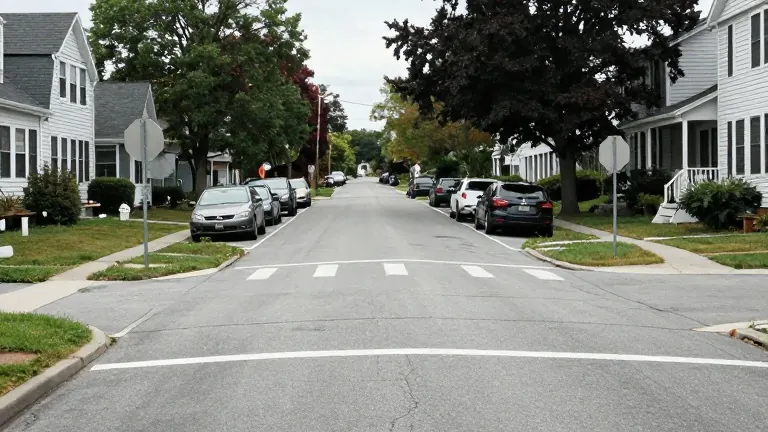
The magistrate described a single drive through Greenwich to illustrate her point. She pulled from her driveway at 25 mph and was tailgated by a driver behind her. At the intersection of Patterson and Deer Park Roads, she observed a vehicle from the right pass through a stop sign without halting. She continued down Patterson, turned onto Maher Avenue, and navigated around trucks parked on both sides of the street. These vehicles were ignoring posted no parking restrictions.
Her route continued to the intersection of Maher Avenue and East Putnam Avenue. She saw a driver in the right lane turn on a red light, contrary to posted signs. She waited in the left lane for the signal to change. As she began to turn left, she had to stop because another driver on the Post Road ran a red light. She then turned onto Milbank Avenue and reached a school zone where the 20 mph limit was not yet in effect. A car behind her honked as it approached rapidly.
Fassuliotis noted that a scooter rider breezed through a stop sign near Julian Curtiss School. Later, a driver passed a pedestrian waiting to cross at an intersection. She emphasized that none of these behaviors, except the red light violation, would have been caught by a camera. She believes cameras remove enforcement decisions from trained officers. They cannot distinguish between a momentary mistake and dangerous driving.
She argued that cameras function as a tax on motorists. They generate citations but do not educate drivers or intervene in dangerous situations. She called for visible police patrols on residential streets. She wants officers to monitor intersections and enforce stop signs. She suggested that success should be measured by improved driving behavior, not by the number of dollars collected in fines.
Fassuliotis plans to purchase a personal dash camera to document road conditions. She stated that residents should not have to act as their own traffic enforcement officers. She asked the police leadership to keep the cameras off. She wants visible traffic enforcement to become a priority throughout the town.