UK Budget: Tax Changes, Defence Funding, and Household Costs
Chancellor John Healey is set to unveil tax measures on banks and online sellers while addressing energy price rises expected in January.
By Julia Wang ·
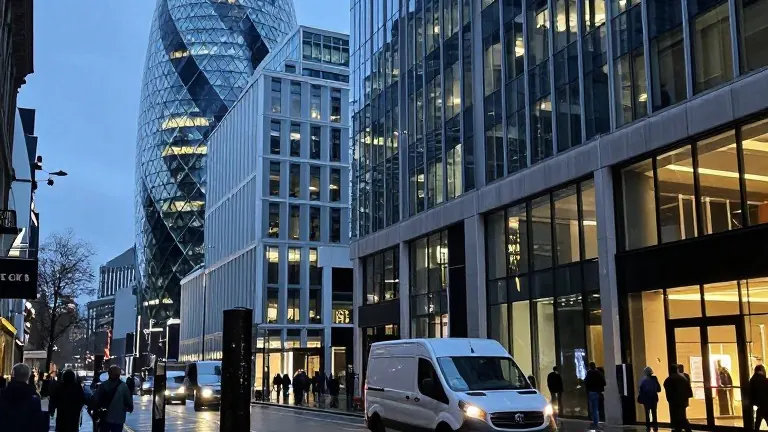
British households face higher energy costs in January as Chancellor John Healey prepares to present the autumn budget, the first under Prime Minister Andy Burnham. The budget statement is scheduled for Wednesday at 12.30 GMT in parliament. Government data shows total borrowing exceeded 3 trillion pounds in September, and debt servicing requires 100 billion pounds annually.
Defence commitments are a central component of the plan. Burnham told ITV's Good Morning Britain on Monday that the government will fund the 298 billion pound defence investment plan announced in June, which aims to move armed forces to "warfighting readiness." Burnham stated it is "crucial that we have a funded plan that we can then implement, and we will set out more details on Wednesday as to how we've done that" regarding funding mechanisms for this investment.
Current defence spending stands at 2.6 percent of GDP. The government intends to reach NATO targets of 3 percent by 2030 and 3.5 percent by 2035. The Guardian reported that Healey aims to close a 4.7 billion pound gap in the plan inherited from the previous Labour Party leader, with reductions in other departmental budgets expected to cover the shortfall.
Inflation and borrowing figures complicate spending plans. The Office for National Statistics reported borrowing of nearly 25 billion pounds in the month to September 2026, a figure higher than the previous year due to increased debt interest costs. Debt exceeded 3 trillion pounds at the end of last month, partly due to the Iran war and the closure of the Strait of Hormuz.
Helen Miller, director of the Institute for Fiscal Studies, said that Healey "faces a forecast in which borrowing is still expected to fall in coming years, and the fiscal rules are still being met." Miller added that "a 'steady-as-she-goes' budget is not an option available to the chancellor," as inflation would push departmental spending plans off course.
Tax measures are expected to include changes to the 2023 surcharge rate on banks, which the BBC reports would raise about 2 billion pounds. The four largest banks reported combined profits of 15 billion pounds in the first half of the year. Reports also indicate measures targeting foreign sellers avoiding VAT on platforms such as Amazon, Temu, and eBay, potentially raising 1 billion pounds for high street business rate cuts.
Household energy bills are projected to rise by 16 percent in January, reaching nearly 2,000 pounds annually, according to Cornwall Insight. The budget may address this by scrapping standing charges for energy supply. Already announced measures include ending the carers' allowance limit and removing tariffs on food items including chocolate and beans.
Source: Al Jazeera