Holiday Sweets: How UK Retailers Protect Margins Through Early Procurement
Independent confectionery shops rely on pre-allocation strategies to avoid inventory shortages and cash flow issues during peak seasonal periods.
By Adrian Kovalenko ·
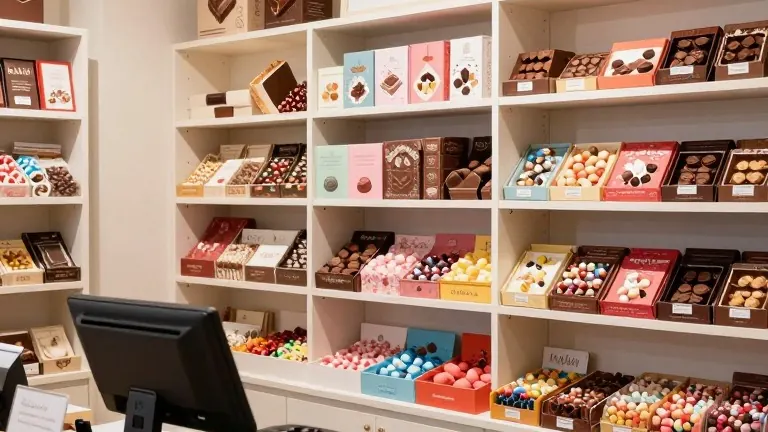
Independent sweet shops across the United Kingdom face a binary outcome during holiday seasons. Effective procurement strategies double annual earnings, while mismanaged inventory leads to surplus stock that erodes profit. For family-owned retailers operating with limited cash reserves, the difference between success and failure depends on supply chain timing rather than customer foot traffic.
The commercial calendar for confectionery in the UK features four distinct peaks. The autumn surge from September to October drives volume through novelty gummies and grab bags. The winter apex in November and December offers the highest margins, shifting demand toward premium boxed chocolates and heritage hampers. February and March see a gifting focus on aesthetic packaging for Valentine's Day and Mother's Day, while March and April center on Easter eggs and seasonal marshmallows.
Retailers who wait until the month of the holiday to source stock often find production runs allocated to major supermarket chains. Established operators negotiate long-term supply terms with British wholesalers to secure priority fulfillment. These partnerships provide access to exclusive imported candy lines and early allocation of high-demand seasonal variants before warehouse stock depletes.
Modern procurement has moved beyond spot-market purchases at cash-and-carry depots. Formal trade accounts unlock volume-tiered discounting, reducing landed unit costs by 8 to 15 percent compared to broken-case buying. Distributors offer pre-allocation security for seasonal lines booked during early summer. Established accounts also qualify for 30-day commercial trade credit, allowing store owners to sell through holiday stock before settling supplier invoices. This structure improves working capital liquidity during peak sales periods.
Quality assurance remains a critical component of sourcing. Retailers audit allergen segregation, dietary certifications, and temperature-controlled transit. Seasonal chocolate lines require insulated shipping to prevent heat bloom if transit temperatures exceed 21 degrees Celsius. Batch dating must provide sufficient shelf-life buffers to extend past the holiday date, allowing retailers to clear remaining stock without immediate expiration.
Visual merchandising dictates conversion velocity on the shop floor. Customers make purchasing decisions within three to five seconds during busy rushes. Retailers maximize floor space with seasonal power fronts at the entrance and impulse displays near payment terminals. High-ticket gift hampers priced between £15 and £35 provide ready-to-gift solutions for rushed shoppers.
Behind the displays, family business governance presents a structural vulnerability. Many independent confectionery operations lack formalized succession planning. When a founder becomes incapacitated without a living trust or partnership agreement, business bank accounts may freeze during estate validation. Commercial leases can be reclaimed, and supplier credit facilities revoked. Legal deadlock from inheritance disputes can shutter thriving enterprises, necessitating clear shareholding agreements and documented supplier accounts to ensure corporate continuity.
Post-holiday inventory decay represents the final threat to profitability. A retailer earning £10,000 in gross profit but holding £4,000 in unsold themed stock sees that gain severely eroded. A three-stage markdown strategy mitigates this risk. Five days before the holiday, slow-moving lines are bundled with staples for promotional offers. In the first three days after the holiday ends, remaining specific items move to clearance fixtures with 30 to 50 percent discounts.
Source: Yonkers Times
More Business · Business Watchdog · Report a business · Got a Story?