Rehabilitation Gap: The Overlooked Role of Balance Training
Clinicians note that neglecting proprioception in injury recovery leaves patients with strength but without the neurological protection needed to prevent re-injury.
By Naomi Tesfaye ·
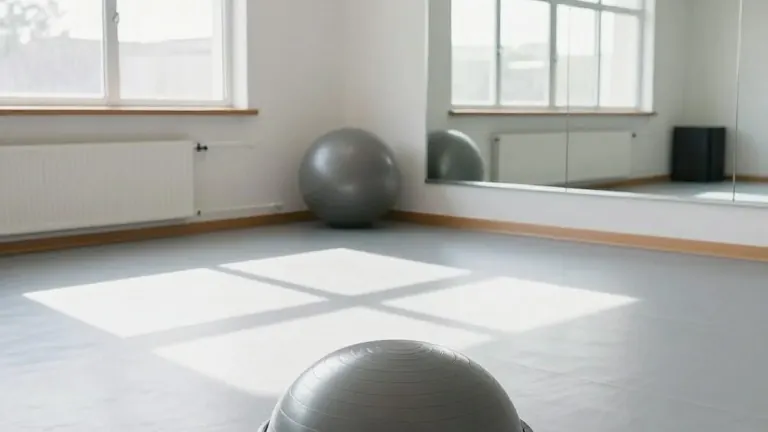
Balance training is frequently left out of injury rehabilitation plans.
Standard physical therapy focuses on restoring range of motion and building strength. These goals are visible and measurable. However, a third dimension of recovery often goes unaddressed. This dimension involves proprioception and balance. These are the body's abilities to sense position and respond to unexpected changes automatically.
Patients who return to activity with restored strength but without adequate proprioceptive training face higher re-injury risks. They have rebuilt the physical structure of the limb but lack the neurological software that protects it. This gap contributes to many re-injuries. The sensory system known as proprioception tells the brain where body parts are in space and what forces act on them. This information comes from receptors in muscles, tendons, and joints. The brain uses this data to create automatic postural adjustments. These adjustments prevent falls and injuries during movement.
Injury damages these sensory receptors. For example, an ankle sprain injures ligaments and the mechanoreceptors within them. These receptors contribute to dynamic ankle stability. Because the protective system is compromised, people are more likely to sprain the same ankle again. Proprioceptive deficits show up in several ways. Joint position sense may be reduced. Patients cannot reproduce specific joint angles without looking at their limbs. Reaction time to unexpected perturbations slows down. Movement patterns may also change in ways the person does not notice. These changes create mechanical compensation that loads other structures differently.
Clinicians assess these deficits through balance quality tests and reaction time evaluations. These assessments guide the selection of training exercises. Proprioceptive training can begin earlier in rehabilitation than maximum strength exercises. It does not require high loads that stress healing tissue. Early training includes single-leg standing on firm floors. This progresses to foam and unstable surfaces. Balance board and wobble board exercises challenge the system further. Activities that require maintaining balance during upper body movements add complexity. The progression moves from static to dynamic and from predictable to unpredictable.
As rehabilitation advances toward sport, training must replicate specific athletic demands. This includes perturbation training where unexpected forces are applied during movement. Single-leg landing and cutting practice are essential. Reactive agility drills require athletes to respond to external cues. Athletes who show solid balance in controlled conditions may still need work on the reactive demands of actual sport. The transition to sport-specific movements is where proprioceptive training becomes most demanding.
Proprioception naturally declines with age. This decline is a primary contributor to falls in older adults. The same principles used in athletic rehab apply to fall prevention. Programs like the Otago Exercise Programme reduce fall rates in older adults. These programs improve the automatic responses that keep a person steady when a perturbation occurs.
Proprioceptive training is often skipped when insurance-authorized visits end. Pain resolution and basic strength may be achieved within the covered visit count. Sport-specific work that protects athletes at higher activity levels often falls outside coverage. Home exercise compliance becomes critical after formal therapy ends. A home program that includes balance exercises maintains the neurological adaptation needed to prevent re-injury.
Meaningful improvements in proprioception can occur within several weeks of consistent training. Full restoration to pre-injury levels typically takes months. This timeline is why return-to-sport periods for joint injuries are measured in months. Pushing a return date before this training is complete is a modifiable risk factor for re-injury. Programs that include balance exercises in warm-ups also reduce injury rates in healthy athletes. The FIFA 11+ program is a well-known example of this approach.
Source: Yonkers Times