Salvadoran President's Troops: 2,500 Soldiers and a Surge of Hope in Haiti
Rallies have erupted across the island as El Salvador's military intervention takes root, though questions remain over command structure and long-term strategy.
By Julia Wang ·
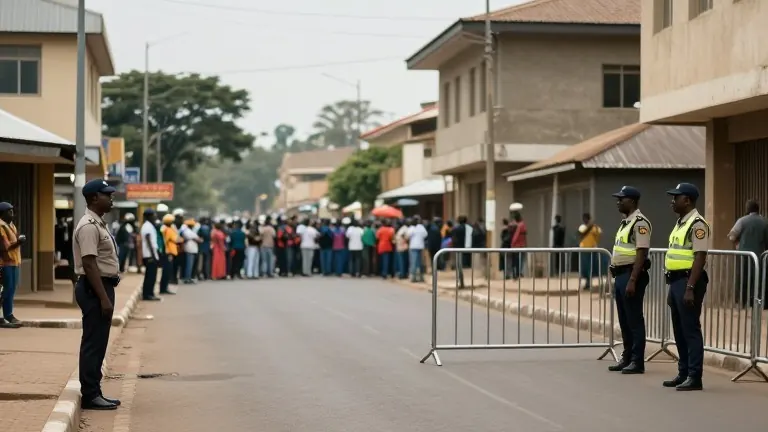
El Salvador’s President Nayib Bukele has deployed 2,500 troops to Haiti to combat gang violence, a move that has transformed the Central American leader into a popular figure in the Caribbean nation. The intervention began in late October after four Salvadoran helicopter technicians were ambushed and left missing during a deployment for the United Nations-backed Gang Suppression Force.
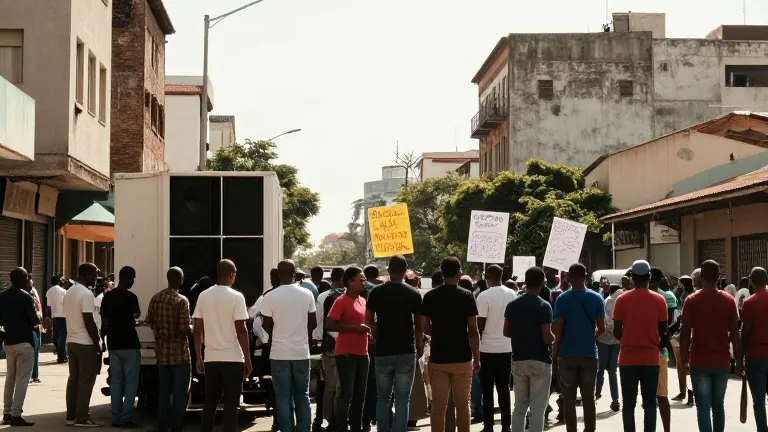
The arrival of the Salvadoran special forces has been met with large-scale public support. Sound trucks carrying Bukele’s name have driven through cities, and thousands of residents attended rallies in Haiti and New York City this month. Participants wore T-shirts and held posters written in Spanish, chanting the president’s name in unison. It remains unclear who organized or funded these gatherings.
Bukele’s administration has not responded to requests for comment. On social media, however, the president posted a message in Haitian Creole acknowledging the crowds. “I never expected anything like this,” he wrote. “I hear you loud and clear. I love you too.” The posts were accompanied by videos showing Salvadoran soldiers demolishing the homes of gang leaders and reoccupying a stadium that had been controlled by criminal groups.
The military operation follows a period of intense instability. Gang violence worsened in early 2024 after the assassination of President Jovenel Moïse in 2021. Displacement has forced more than 1.5 million people from their homes. A previous international mission led by Kenya failed to stop the violence, and the current UN-backed force has been slow to reach full staffing levels.
Critics have raised concerns about the coordination between the Salvadoran forces and the Gang Suppression Force. Amnesty International stated that all operations must comply with international human rights law. A person familiar with the operations said communication was poor in the early days, leading to a near friendly-fire incident during a nighttime operation.
Haitian Prime Minister Alix Didier Fils-Aimé defended the deployment on Tuesday. He visited the Salvadoran base on Sunday and said the mission must be viewed as a response to a dire national security emergency. “The Haitian people also have the right to a life free from fear, terror, and gang domination,” he wrote in response to Amnesty International.
Former Defense Minister Jean Walnard Dorneval said the Haitian population welcomes the troops but called for clarity on command structure, logistics, and weaponry. Local influencers Michael Lombard and Ergens Saint Pierre, who organized the rallies, said the support reflects the exhaustion of a population that has endured years of kidnapping and burning. Lombard, a civics teacher living in a displacement camp with about 1,000 others, said Bukele’s experience in El Salvador makes him a credible candidate for restoring order.