Serbia's new government faces a $123 million arms decision
The student-led coalition that defeated President Vucic must now decide whether to halt military exports to Israel, a move that could strain economic ties.
By Naomi Tesfaye ·
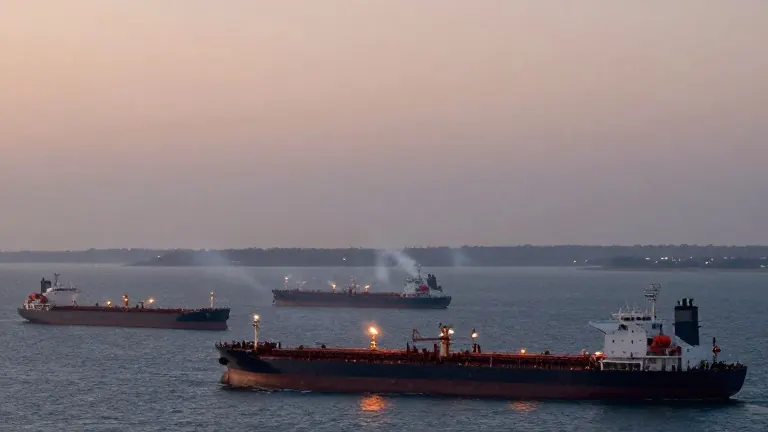
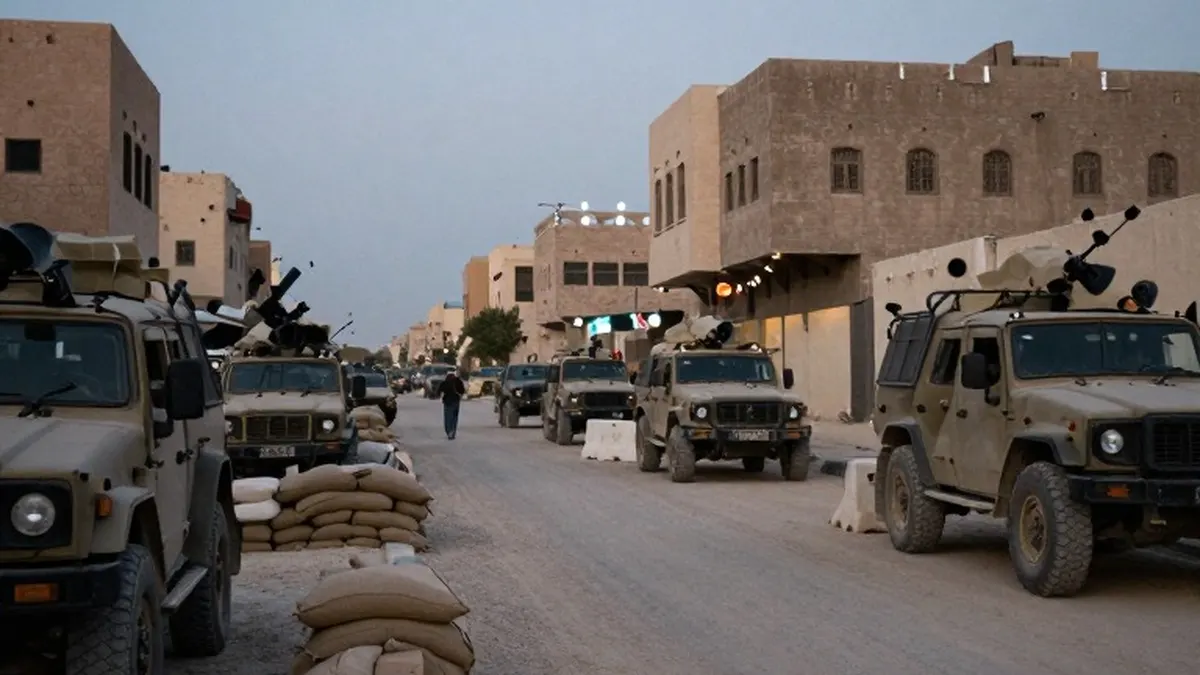
Serbian voters replaced President Aleksandar Vucic on Sunday after a two-year student movement forced a snap election. The new government, led by the Student List, immediately faces a complex economic decision regarding its relationship with Israel. Under Vucic, arms exports to Israel rose from $3.3 million in 2023 to $126 million in 2025. In September, Vucic opened a factory for the production of Israeli drones.
The Student List’s electoral program states the party condemns the genocide in Gaza and refuses to be complicit. If the new government follows this program, it must halt arms exports to Israel. This action would extend political change into the economic sphere and challenge Serbia's geopolitical position. It would also unsettle foreign relations and domestic vested interests in the industrial sector.
The movement began in 2024 after 16 people died when a train canopy collapsed at a newly renovated station in Novi Sad. Students cited deeper issues, including corruption by local elites and substandard jobs from international corporations. They kept the movement independent of domestic political parties and the four superpowers Serbia deals with: Russia, China, the European Union, and the United States.
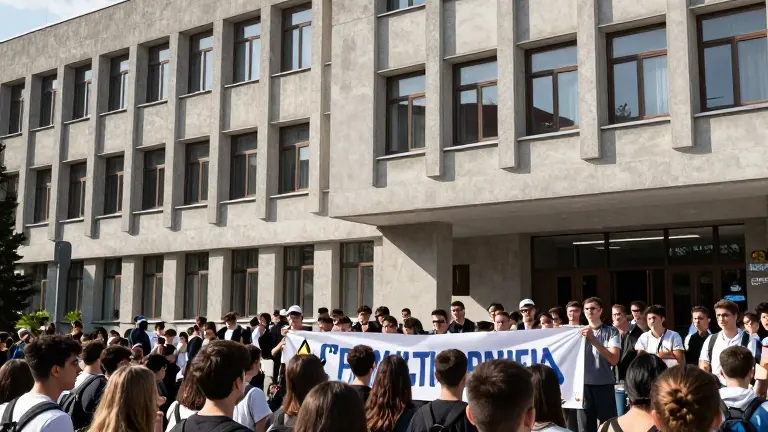
Students blockaded universities across the country, halting higher education. At the Faculty of Technical Sciences in Novi Sad, which has more than 16,000 students, they established student guards, medical supplies, and administrative offices. They held discussions on political and economic issues that often involved 300 to 400 students and lasted five or six hours. These topics later formed the basis of their electoral program.
By March 2025, students called for citizens' assemblies to aid in seeking justice for the 16 killed. They made their first public demand for snap elections. The Student List selected candidates through collective decision-making. They chose academics and activists, ensuring an equal gender distribution and representation from various university regions. Established politicians were not nominated.
Candidates underwent interviews with groups of 300 students who left their phones outside the room. The structure was leaderless, relying on a network of assemblies and local committees. This approach allowed the movement to withstand police attempts to evict them. As the government used repressive tactics, public support for the students grew.
US-based conservative influencers intervened in the final days of the campaign. They framed support for Vucic as a defense of Serbia's Christian identity against what they called an 'Islamisation' and a Muslim threat. The Conservative Political Action Conference (CPAC) is set to open a Serbian chapter in November, with Vucic expected to play a central role.
The Student List has begun negotiations to form the government. They must undo the damage of the past 14 years while managing a complex geopolitical environment. The decision on arms exports will test their ability to manage tensions and avoid conflict. Any shift in ties to superpowers will test the new government's capacity to survive.
Other European student movements in Belgium, France, Italy, and Spain have largely ignored the Serbian case. If civil society in these core countries collapses under economic strain, the Serbian experiment may offer a model. The political experiment has already been completed at the polls. The next test is economic and diplomatic.
Source: Al Jazeera