Stowe Startup Diverts 50,000 Pounds of Ski Gear From Landfills
BirdieBlue upcycles torn winter clothing into new accessories, partnering with local mountains and major brands to keep fabric in circulation.
By Adrian Kovalenko ·
Winter is approaching, and residents are sorting through closets for the season.
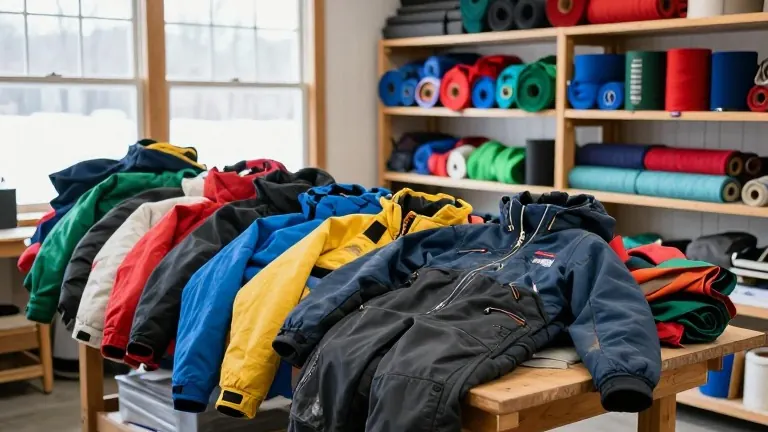
In Stowe, a local company is intercepting that waste stream before it reaches a landfill. BirdieBlue operates a sustainable workshop dedicated to upcycling unused ski and snowboarding gear. The business takes in items with tears, broken zippers, or general wear, breaking them down into usable remnant fabrics. These materials are then cut into sewing packs for a distributed network of home sewists.
Founder Kate Harvey started the venture in 2022 after a chairlift incident at Okemo. Her ski pants, which she had worn for 20 years, ripped open while she was riding. Instead of discarding the garment, Harvey and her son dismantled the pants. They used a vintage sewing machine to create small zip wallets, which became one of the company’s popular products.
The business has expanded since its inception. Harvey is no longer working alone in a small studio. The company now employs a team in new manufacturing space in Stowe. This growth allows them to process larger volumes of clothing waste. Harvey stated that the team estimates they have saved approximately 50,000 pounds of gear through their upcycling efforts.
Partnerships have widened the supply of raw materials. BirdieBlue works with ski mountains and Vermont-based gear companies. Named partners include Burton, Turtle Fur, Sugarbush, Killington, and Stratton. Harvey said the company accepts gear in any condition and never turns down donations. The team aims to be the primary upcycling partner for the outdoor industry.
The production process yields unique accessories, including fanny packs, scrunchies, and bags of various sizes. Marlaina Hunter, a member of the BirdieBlue team, noted that the variety of incoming fabric makes each day unpredictable. Because no two garments are identical, the final products are one of a kind.
The company also addresses the waste generated during the upcycling process. Scraps that are too small to be sewn into new items are sent to a downcycling partner. This partner chops the material into shoddy, which is then used to manufacture home insulation. Harvey said the goal is to use all scraps and throw as little as possible.
The workflow involves washing all incoming items before breakdown. The company distributes sewing packs to its home sew network to maintain production capacity. This structure allows BirdieBlue to handle increased volume without expanding its physical footprint in the same proportion.
Source: WCAX-TV