Vermont Medical Boards Draft AI Rules as Hospital Networks Expand Use
State officials aim to establish oversight frameworks before the technology spreads further into clinical and administrative workflows.
By Julia Wang ·
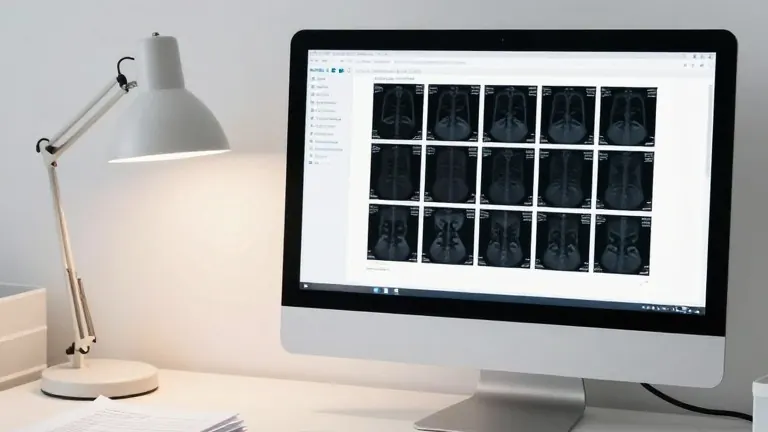
UVM Health and Dartmouth Health have integrated artificial intelligence tools into their daily operations to support diagnosis, documentation, and billing. These two major providers in the Northeast now use software that analyzes X-rays to detect fractures and automatically summarizes patient charts. The implementation allows clinicians to spend more time with patients rather than on administrative tasks.
The adoption of these systems followed a period of internal review. UVM Health established a committee to evaluate every AI tool before launch and after implementation. Dartmouth Health adopted a similar policy framework to govern its usage. Both organizations emphasize that human experts remain the primary decision-makers in all clinical scenarios.
Dr. Alison Sullivan of UVM Health stated that the tools have returned minutes of time to doctors, allowing them to focus on patient care. Dr. Randa Perkins of Dartmouth Health described the AI as supplemental to care, noting that it does not replace clinician diagnosis. She emphasized that the human expert remains in the loop for all provider decision-making.
Beyond the exam room, both networks use AI in billing processes. The software scans patient charts for specific keywords to inform pricing and insurance decisions. Craig Chase of UVM Health explained that a single phrase in documentation could be interpreted in multiple ways, so no AI system functions entirely without human review. UVM Health has identified errors in insurance denials, but the organization attributes these issues to timing rather than the technology itself.
The Vermont Board of Medical Practice is now examining how to regulate these tools. David Herlihy, who runs the board, sits on a statewide AI council focused on establishing guardrails for medicine. He is assisting the Vermont health commissioner in drafting recommendations for lawmakers. Herlihy noted that the state wants to prevent patients from being treated as subjects in an experiment with unintended consequences.
Regulators are currently addressing the question of who oversees the AI tools themselves. While states license doctors and the FDA reviews medical devices, no clear framework exists for AI. Herlihy questioned whether a medical board should license these tools and whether that process would occur at the national or state level.
State officials are beginning their regulatory focus on mental health. A report on AI in that specific sector is due to Vermont lawmakers on Jan. 15.