35-Year Study: Cannabis Use Correlates With Poorer Sleep
Tracking data from 1985 to 2022 shows that long-term and recent cannabis consumption is associated with fragmented rest and longer periods of wakefulness after falling asleep.
By Naomi Tesfaye ·
Northwestern Medicine researchers published findings in JAMA Network Open indicating that cannabis use correlates with reduced sleep quality. The study tracked a cohort of adults for three and a half decades to measure the impact of the substance on rest.
More than 23 million American adults currently use cannabis products to aid sleep. These consumers rely on gummies, tinctures, beverages, or smoked forms to initiate rest. The new data suggests this common practice may yield opposite results from what users intend.
The research team followed participants who entered the study in 1985 and 1986. At the start, these individuals were between 18 and 30 years old. Researchers conducted nine follow-up exams over a 35-year period that concluded in 2022.
Scientists measured recreational cannabis use in two distinct ways. They calculated total exposure in cannabis years, defining one year as 365 days of use regardless of continuity. They also categorized participants by recent usage, distinguishing those who used the product within the last 30 days from former or never-users.
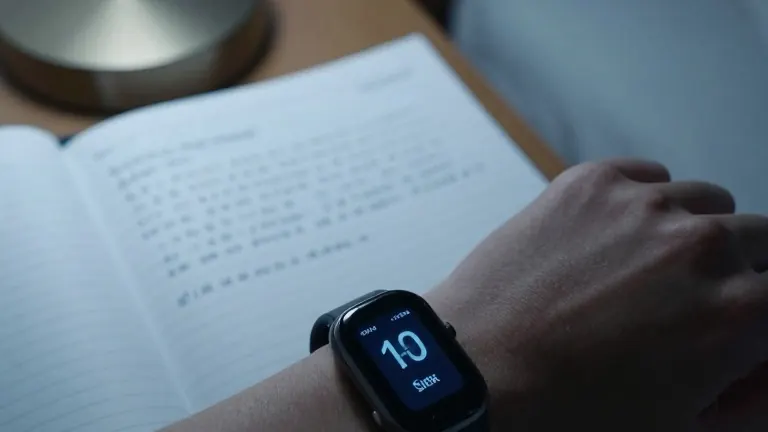
Participants wore wrist-mounted sleep trackers for seven days and maintained daily sleep logs during those weeks. This objective data captured sleep percentage, fragmentation, and the duration of wakefulness after initially falling asleep.
The analysis revealed that each additional cannabis year of use raised the odds of lower sleep percentage by 10 percent. A lower sleep percentage indicates spending less than 85 percent of the sleep period actually sleeping. Each extra year of use also increased the odds of fragmented sleep by 4 percent.
Long-term use was further linked to a 21 percent higher likelihood of spending more time awake after falling asleep. Recent users showed even stronger negative associations. Those who consumed cannabis in the previous 30 days had 3.23 times the odds of remaining awake for an unusually long duration after initial sleep onset compared to never-users.
Recent users also had 4.60 times the odds of sleeping longer than optimal durations compared to those who never used cannabis. These objective measurements contrasted with participant self-reports. When asked to rate their own sleep quality, users did not perceive their rest as worse than that of non-users.
Dr. Thanh-Huyen T. Vu, an author on the study, stated that the findings challenge the common belief that cannabis helps people sleep better. Co-author Mercedes R. Carnethon noted that the data do not support the view of cannabis as a helpful sleep aid. She emphasized the need to understand long-term health associations as the product becomes more accepted.
The authors acknowledged limitations in the study design. The data did not record the method of consumption, the potency of the cannabis, or the timing of use relative to bedtime. Dr. Samir Fahmy, director of the Sleep Disorder Center at NYC Health + Hospitals/Kings County, suggested alternative habits for better sleep. He recommended waking at the same time daily, seeking natural light within 30 to 60 minutes of rising, and limiting coffee to early afternoon. He also advised completing workouts before 7 p.m. and establishing a 30 to 60 minute pre-bed routine involving dimmed lights and low-stimulation activities.